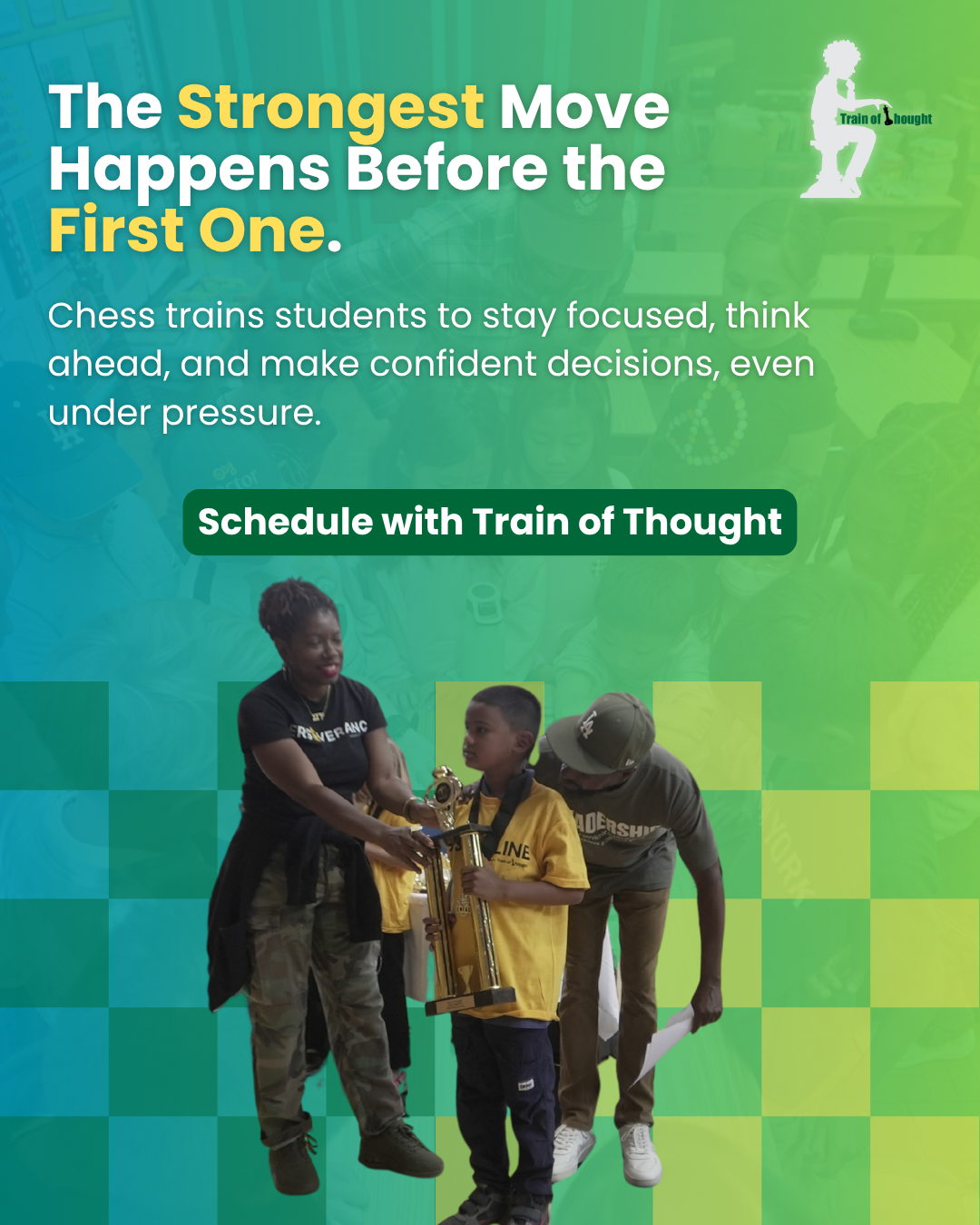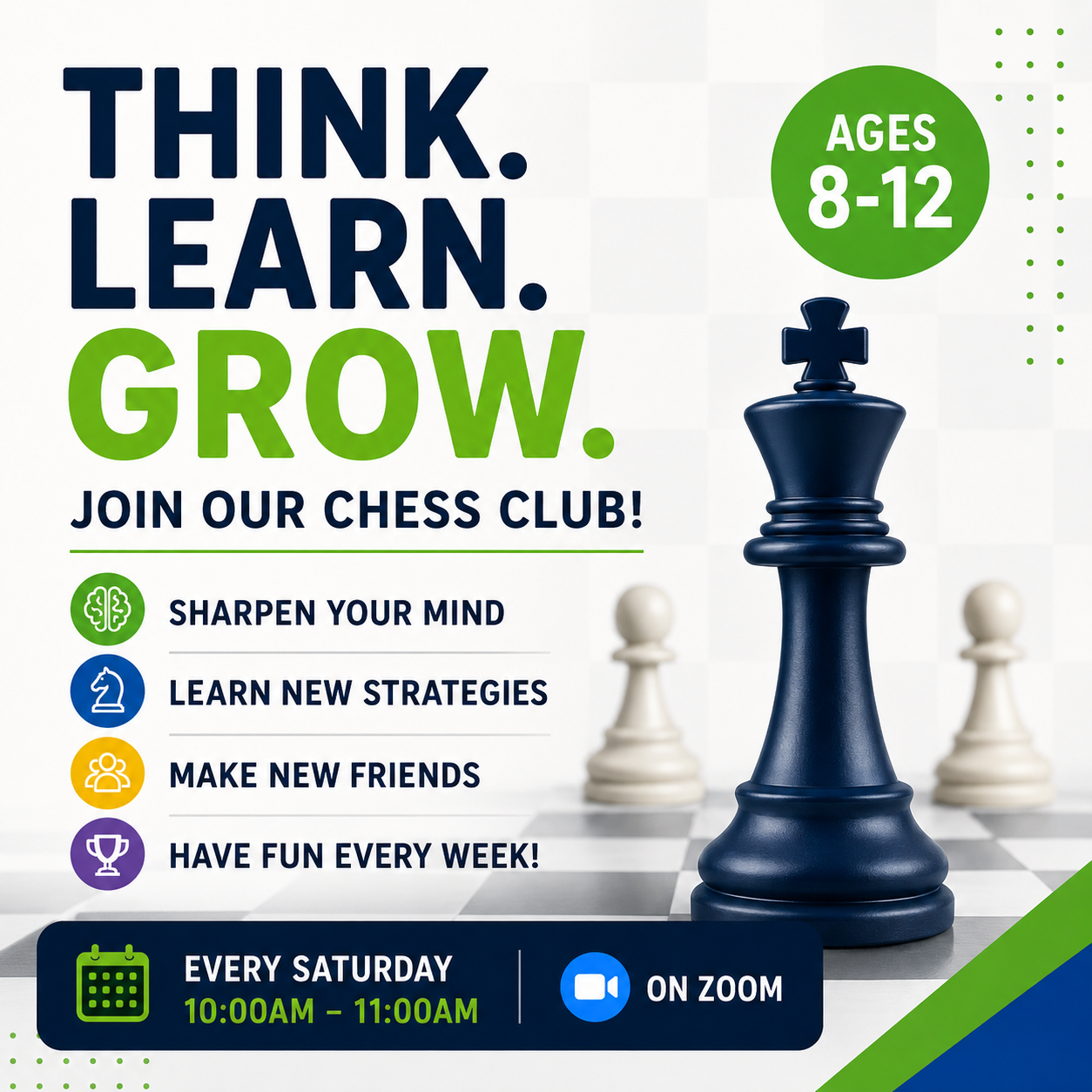
Chess education does more than teach kids how to play a game. It builds student focus, patience, and leadership skills that last all year long. At Train of Thought, we’ve seen how a K-12 chess program can improve classroom attention strategies and help students develop executive function skills. Ready to see how chess can support your school community this semester? Learn more here.
Benefits of Chess Education
Chess education goes beyond the board, offering students invaluable skills that extend into everyday life. As we explore these benefits, you’ll see how chess strengthens focus, patience, and leadership.
Boosting Student Focus
Chess requires intense concentration. When students play, they learn to tune out distractions and focus on the task at hand. This skill is crucial in today’s fast-paced world. Imagine a classroom where students apply this same focus to their studies. Chess helps make that happen.
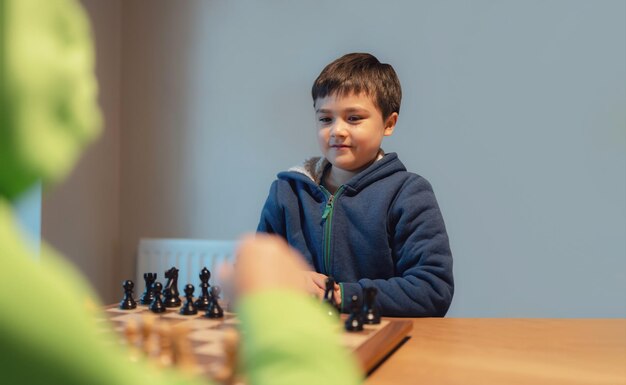
Playing chess regularly can improve your child’s ability to concentrate. As they plan their moves, they’re training their brains to focus. This skill doesn’t just stay at the chessboard. It carries over to their schoolwork, helping them pay better attention to lessons and tasks.
Furthermore, as students engage in chess, they sharpen their ability to identify patterns and think critically. These skills are highly relevant in academic settings, where problem-solving and logical reasoning are key. By encouraging focus and critical thinking, chess becomes a powerful educational tool.
Building Patience and Self-Control
Chess is a game of strategy and patience. Players often wait for the perfect opportunity to make their move. This waiting teaches students to be patient, a vital trait in life and learning. With patience, students are less likely to rush through tasks, leading to better results.
When children play chess, they learn the importance of self-control. Each move requires careful consideration and planning. By practicing this discipline, they learn to manage their impulses both on and off the board. This self-control is essential for academic success and personal growth.
Moreover, chess teaches students that patience can lead to greater rewards. As they practice and improve, they see how waiting for the right move can change the game. This realization helps them understand that patience and perseverance can lead to success in various aspects of life.
Fostering Youth Leadership
Chess is often seen as a solitary game, but it actually encourages leadership. As students learn to strategize and plan ahead, they develop skills essential for leading others. Chess fosters decision-making, a critical ability for future leaders.
When students engage in chess, they learn to take responsibility for their actions. Each move they make affects the outcome of the game. This accountability helps shape them into confident leaders who understand the impact of their decisions.
Additionally, chess nurtures communication and sportsmanship, key components of leadership. As students play with peers, they learn to articulate their thoughts and respect others. This cooperation and mutual respect are fundamental qualities for effective leadership.
Train of Thought’s Proven Approach

Train of Thought offers a comprehensive program that integrates chess into K-12 education, focusing on cognitive and emotional growth. Let’s dive into how this approach benefits students.
Comprehensive K-12 Chess Program
Our K-12 chess program is designed to engage students at every grade level. We provide structured lessons that develop critical thinking and problem-solving skills. By incorporating chess into the curriculum, we ensure that students receive a well-rounded education.
This program is tailored to meet the unique needs of each student. Through personalized instruction, students learn at their own pace. This individualized approach allows us to nurture their strengths and address their challenges, fostering a supportive learning environment.
Furthermore, our program emphasizes the cognitive benefits of chess. By teaching students to visualize and calculate their moves, we enhance their cognitive development and prepare them for future academic success.
Social-Emotional Learning Through Chess
Chess is more than just a game; it’s a tool for social-emotional learning. At Train of Thought, we use chess to teach students empathy, communication, and collaboration. These skills are essential for personal and academic growth.
Through chess, students learn to understand the perspectives of others. As they interact with peers, they develop emotional intelligence, a key component of effective communication. This ability to empathize and connect with others is vital for building strong relationships.
Additionally, chess promotes teamwork and cooperation. Students learn to work together to solve problems and achieve common goals. This collaboration helps them develop social skills that are invaluable in both school and life.
Classroom Attention Strategies
Our program includes strategies to improve classroom attention and engagement. By integrating chess into the curriculum, we help students develop skills that enhance their focus and learning.
Chess teaches students to concentrate on tasks for extended periods. This focus translates into the classroom, where students are better able to pay attention and absorb information. Our attention strategies are designed to support students in maintaining this concentration throughout their academic journey.
Moreover, our program encourages active participation and critical thinking. Students are challenged to think independently and make decisions, fostering a love for learning and an inquisitive mindset. This engagement is crucial for academic success and lifelong learning.
Community Impact and Partnerships

Our impact extends beyond the classroom. Train of Thought partners with schools and organizations to bring the benefits of chess to communities. Join us in creating positive change.
Title I School Partnerships
We work closely with Title I schools to provide chess programs to underserved communities. Our partnerships aim to bridge the educational gap and offer equal opportunities for all students.
Through these partnerships, we bring chess to schools that may not have the resources to implement such programs independently. By providing chess education, we help students develop skills that enhance their academic performance and personal growth.
Additionally, our programs are designed to be inclusive and accessible. We strive to create a welcoming environment where every student can thrive, regardless of their background or circumstances.
Educator Professional Development
Train of Thought offers professional development for educators to integrate chess into their teaching. Our workshops provide resources and strategies to enhance classroom learning.
We equip educators with the tools they need to teach chess effectively. By providing training and support, we empower teachers to use chess as a dynamic educational tool that enriches their students’ learning experiences.
Furthermore, our workshops foster a community of educators who share a passion for chess education. By connecting teachers with like-minded professionals, we create a network of support and collaboration that benefits both educators and students.
Back-to-School Programs and Support
As the new school year begins, we offer programs and support to integrate chess into classrooms. Our back-to-school initiatives ensure that students and teachers are prepared for a successful year.
Our programs are designed to be flexible and adaptable to the needs of each school. Whether you’re looking to start a new chess club or enhance an existing program, we provide the resources and support you need to succeed.
Moreover, our back-to-school initiatives emphasize community building and engagement. By fostering a sense of belonging and collaboration, we create an environment where students feel supported and motivated to learn.
Frequently Asked Questions
What are the benefits of chess education?
Chess education boosts focus, patience, and leadership skills. It enhances critical thinking and problem-solving abilities, helping students excel academically and personally.
How does chess improve student focus?
Chess requires concentration and strategic thinking. By playing chess, students learn to focus on tasks, which translates into better attention and engagement in the classroom.
Can chess teach leadership skills?
Yes, chess fosters leadership by encouraging decision-making and accountability. Students learn to strategize and communicate effectively, essential traits for future leaders.
Why partner with Train of Thought?
Train of Thought offers a proven approach to chess education, with a comprehensive curriculum and community partnerships. We provide resources and support to ensure successful program implementation.
How can I get involved with Train of Thought?
You can support Train of Thought by partnering with us, enrolling in our programs, or attending our workshops. Together, we can bring the benefits of chess to more students and communities.