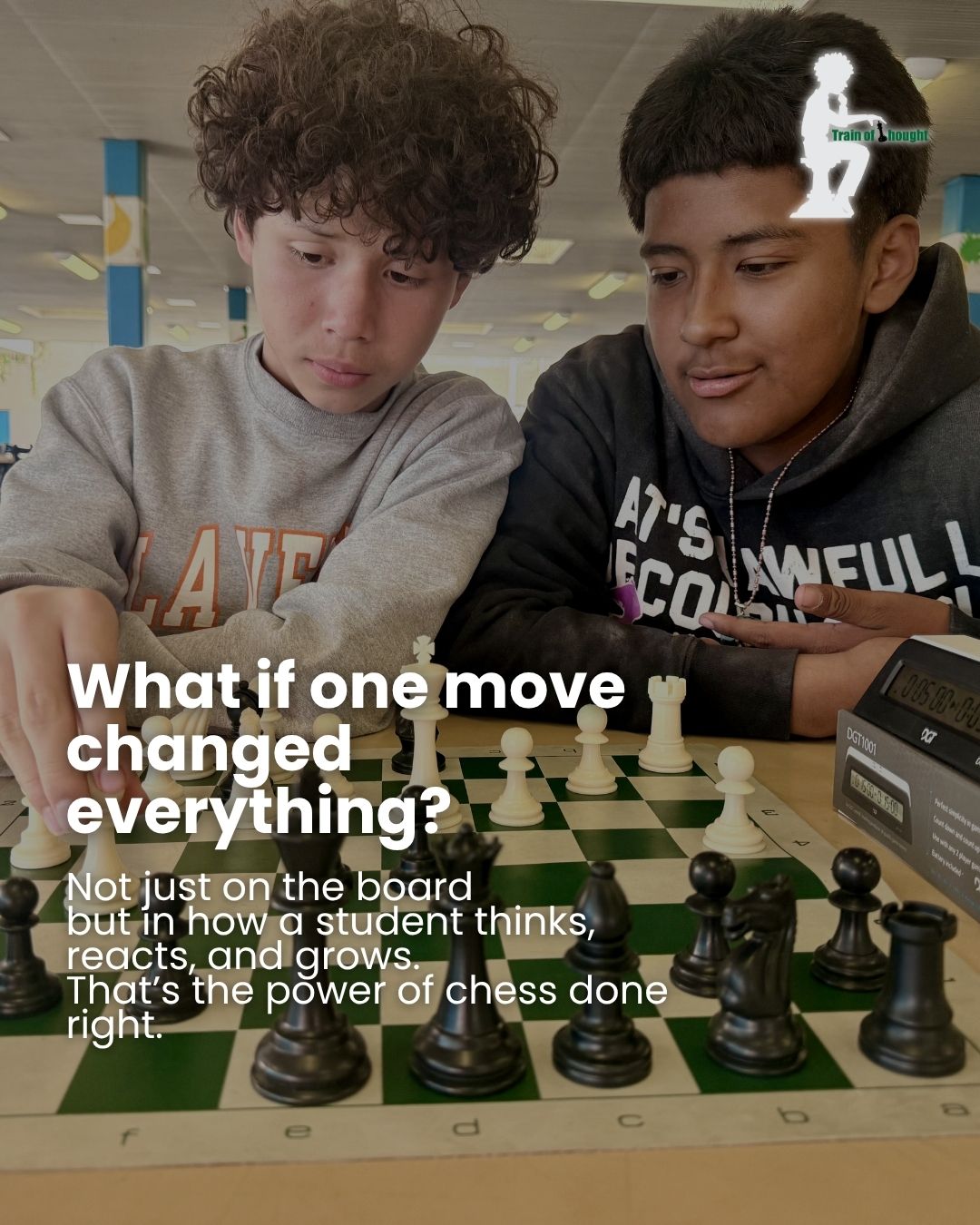
Back-to-school season often comes with challenges: restless students, short attention spans, and the need for strong leadership in the classroom. Chess education offers a proven way to build student focus, patience, and leadership skills that last beyond the school day. At Train of Thought, our K-12 chess program combines engaging lessons with real-world growth, preparing students to face the year ahead with confidence and clarity. Ready to see how chess can shape your child’s success?
Benefits of Chess Education
As students head back to school, chess education stands out as a powerful tool to enhance learning.
Enhancing Student Focus
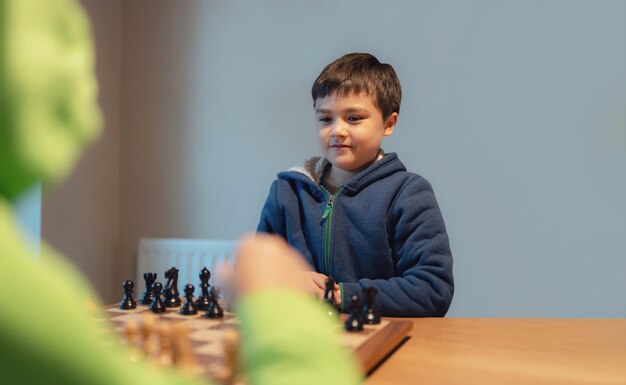
Chess teaches students to concentrate deeply. When kids play chess, they learn to focus on each move. They need to think ahead and avoid distractions. This can help them pay better attention in class.
By practicing chess regularly, students develop sharper attention skills. This focus doesn’t just help on the chessboard. It extends to other areas of their lives, enhancing their ability to concentrate on studies and homework. The structured thinking taught in chess trains students to approach tasks methodically, improving overall classroom engagement.
Building Patience in Students
Chess naturally instills patience. Each game requires careful thought and planning. Students must wait, considering all options before making a move. This process teaches them to be patient and deliberate.
In classrooms, this patience translates into better behavior and learning habits. Students learn that rushing can lead to mistakes. Chess helps them understand the value of taking time to think things through. They grow more patient, not just with games, but with challenging schoolwork as well.
Fostering Student Leadership
Chess develops leadership skills by teaching strategy and responsibility. Players must think about their moves and the potential consequences. This encourages them to take ownership of their decisions.
By learning to plan and strategize, students gain confidence in leading both in the classroom and beyond. Chess encourages them to make decisions that consider the greater good, a key aspect of effective leadership. Students learn to guide others with the same thoughtfulness they use in their games.
Train of Thought’s Impact

Train of Thought’s chess programs have made a significant difference in classrooms.
Empowering Through K-12 Chess Programs
Our programs empower students by using chess to teach essential life skills. We emphasize critical thinking and leadership. Chess becomes more than just a game; it’s a learning experience that supports students in their academic journey.
Train of Thought’s curriculum integrates core subjects with chess-based learning. This approach helps students apply strategic thinking across various subjects, enhancing their educational experience. Our focus on critical skills ensures students are prepared for future challenges.
Success Stories from Los Angeles Nonprofit
Our success stories from Los Angeles are inspiring. We’ve seen students grow and thrive through chess education. These stories highlight how chess can change lives.
Students from diverse backgrounds have found new confidence and ambition through our programs. Many have participated in tournaments, gaining recognition for their skills. These experiences empower them to pursue greater academic and personal goals.
Supporting Title I Schools and Educational Equity
We are committed to supporting Title I schools and promoting educational equity. Our programs reach students who might not have access to such opportunities otherwise.
By partnering with schools in underserved areas, we help bridge educational gaps. Chess becomes a tool for promoting equality, offering every student the chance to succeed. Our commitment to equity ensures that all students, regardless of background, can benefit from chess education.
Getting Involved with Train of Thought

Join us in bringing the benefits of chess to more students.
School Partnerships and After-School Programs
Partner with us to bring chess into your school. Our programs fit seamlessly into school curriculums and after-school activities.
By integrating chess into your educational offerings, you can provide students with valuable skills and opportunities. Our partnerships are designed to enrich learning environments and empower students.
Sponsorship Opportunities for Community Impact
Your support can make a difference. Sponsoring our programs helps us reach more students and create lasting community impact.
Through sponsorship, you can contribute to educational equity and support youth development. Join us in making a positive change in students’ lives through chess education.
Enroll in Chess Curriculum and Leadership Workshops
Enroll in our chess curriculum and leadership workshops today. Our programs are designed to enhance student capabilities and foster growth.
Participating in our workshops provides students with unique opportunities to develop critical thinking and leadership skills. Be part of a community that values education and empowerment.
🎓♟️
Frequently Asked Questions
How does chess improve student focus?
Chess requires players to concentrate on each move, fostering attention to detail. This skill transfers to other areas, helping students focus better in class and on assignments.
Why is patience important in education?
Patience allows students to think critically and avoid rushing. Chess teaches them to consider their moves carefully, which helps in developing patience for challenging tasks.
How does chess promote leadership skills?
Chess encourages strategic thinking and decision-making, essential traits for leadership. Students learn to plan ahead and take responsibility for their actions, building confidence and leadership abilities.