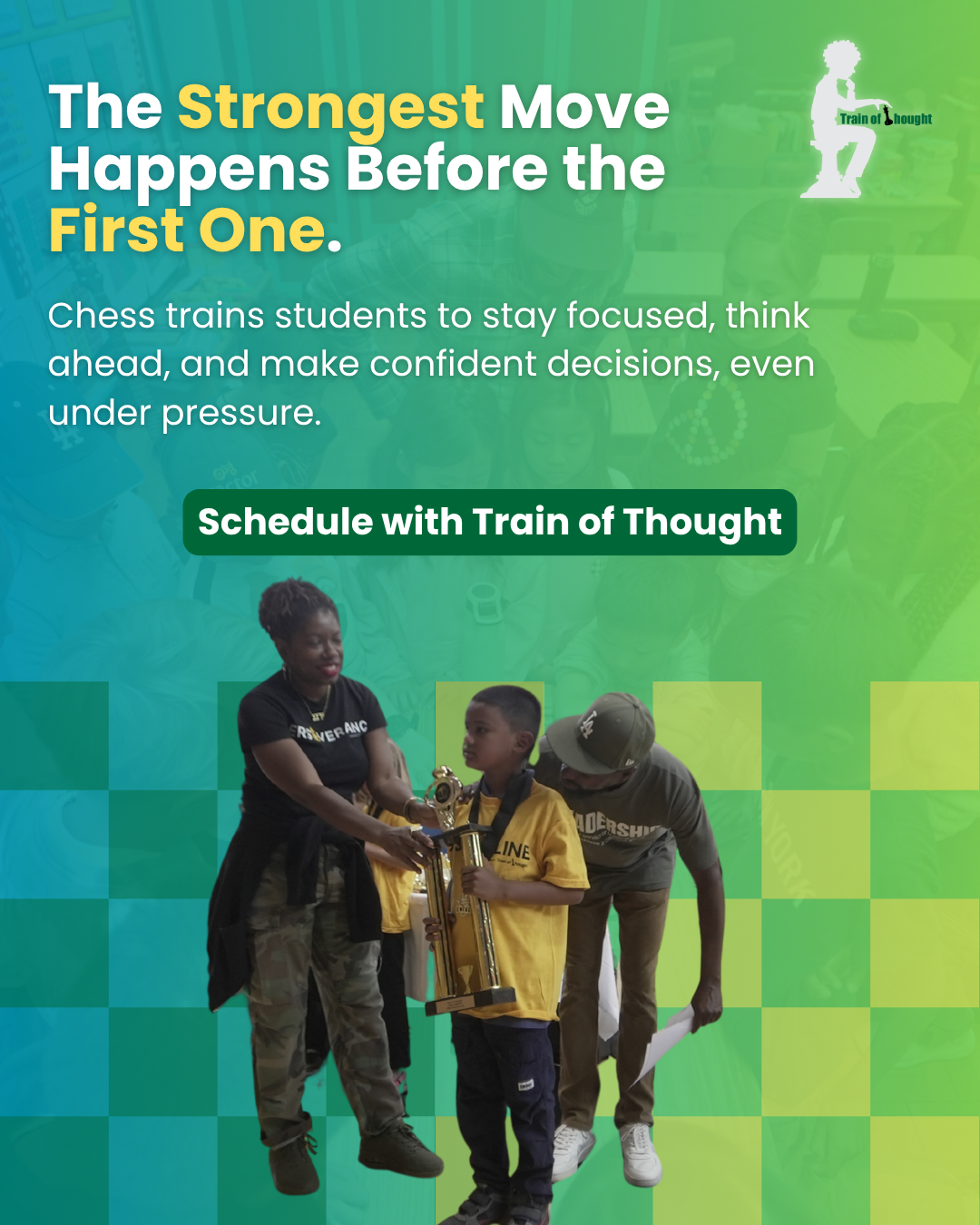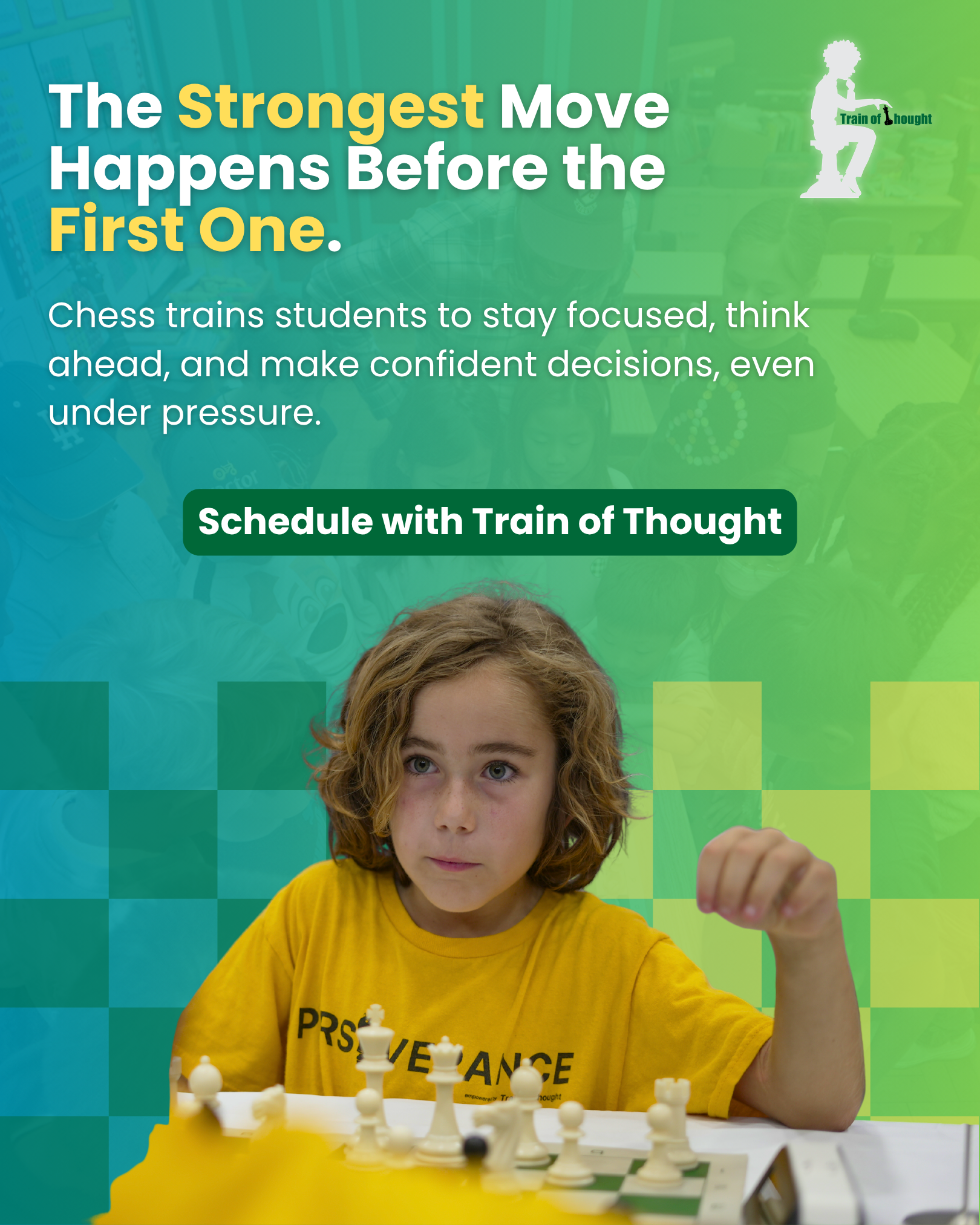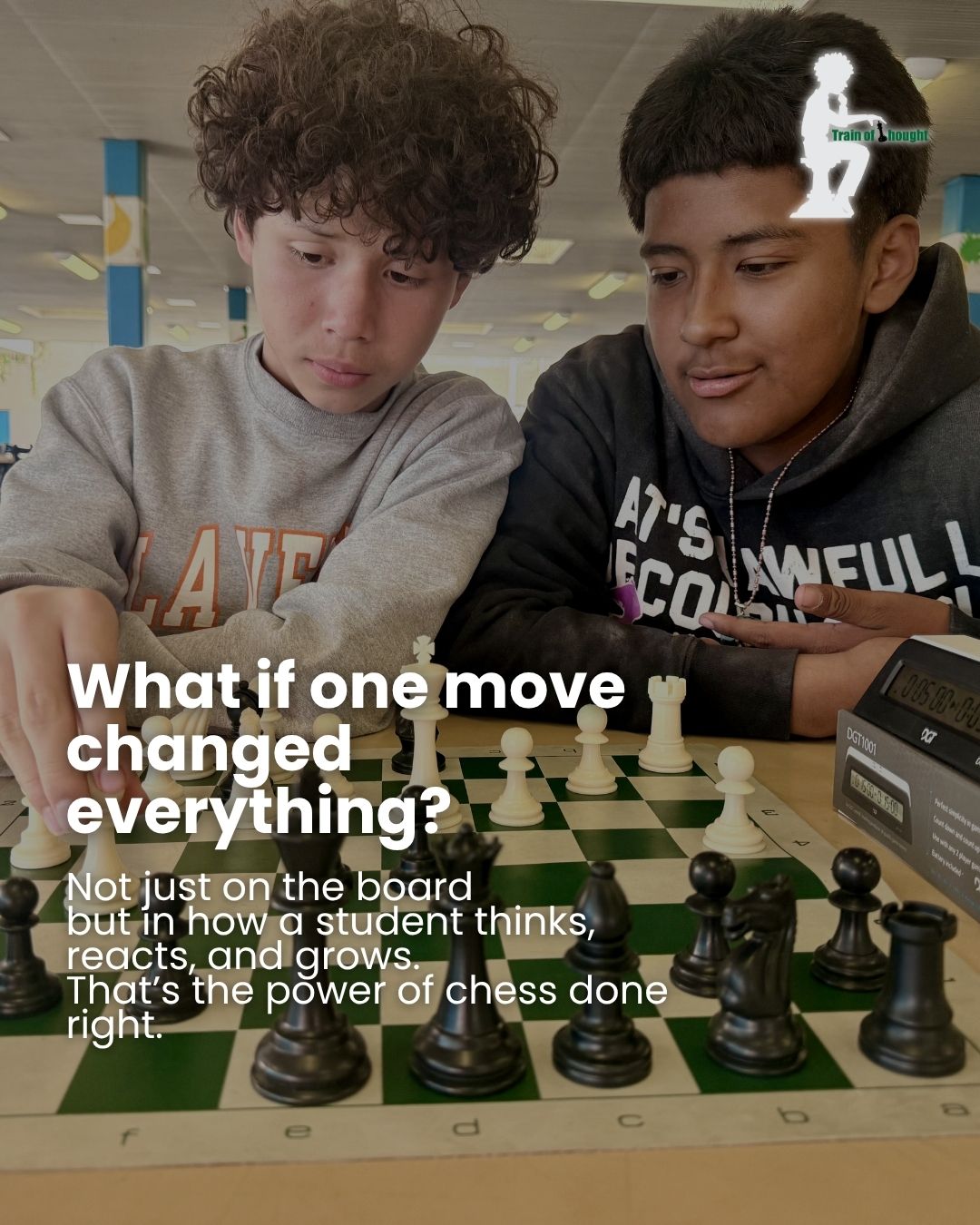
Most schools focus on reading and math, but what if chess education held the key to boosting student development and school success in ways few programs do? Train of Thought’s work with over 200 schools has shown that chess sharpens critical thinking skills and builds leadership through chess. Let’s explore how adding chess to your child’s school day or after-school program can create real academic growth and stronger community connections.
Chess Education for Student Development
Learning chess can open doors to remarkable growth in students. It’s more than a game; it’s a tool for developing critical skills needed in today’s world.
Critical Thinking and Problem Solving
Chess encourages players to think ahead, analyze various possibilities, and solve complex problems. Students who play chess often learn to evaluate situations from multiple angles to make the best decision. Imagine a student faced with a challenging math problem: chess equips them with the mindset to break down the problem and find a solution. This kind of strategic thinking is invaluable in academics and beyond.
Leadership Through Chess
Chess teaches valuable leadership skills by mirroring real-life scenarios where planning and decision-making are essential. In a chess game, each move has consequences, similar to the decisions leaders make every day. By understanding these dynamics, students develop confidence and foresight, essential qualities for future leaders. Participating in chess can help students learn to guide others, take responsibility for their actions, and influence their peers positively, both in school and in their communities.
Social-Emotional Learning in Schools
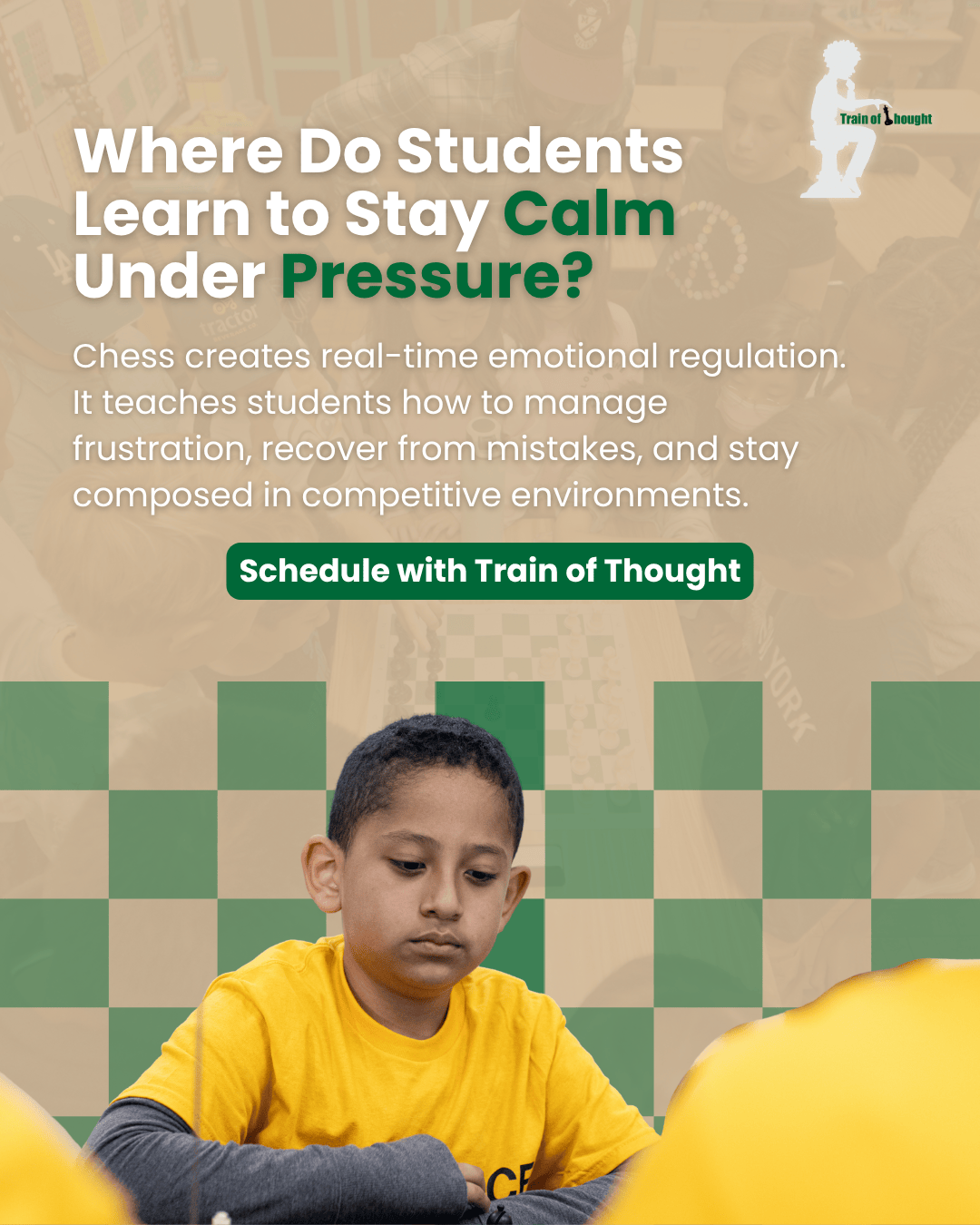
Chess can also be a powerful tool for social-emotional learning. It enhances self-awareness, self-regulation, and empathy. Playing chess requires patience and resilience, allowing students to cope with both wins and losses gracefully. As students interact with peers through chess, they learn to respect different perspectives and develop a sense of camaraderie, fostering a supportive school environment where everyone can thrive.
Proven Impact of Train of Thought
Train of Thought has a strong track record, showing us how chess education can truly change students’ lives for the better.
Success Stories from Los Angeles Schools
In Los Angeles, schools have witnessed firsthand the transformative power of chess. Students involved in chess programs show improved focus and better academic performance. Schools report that kids who engage in chess are more disciplined and motivated, translating into higher grades and increased confidence.
Partnerships with Underserved Communities
Train of Thought actively works with underserved communities, ensuring equal access to chess education. By partnering with schools in these areas, they provide students with opportunities that might otherwise be unavailable. The program’s commitment to equity in education has led to significant improvements in student engagement and academic achievement.
Academic Achievement and Attendance Metrics
Schools embracing chess education see positive changes. Students who participate in Train of Thought’s programs often demonstrate higher attendance rates and improved academic metrics. These successes illustrate that chess isn’t just a game; it’s an educational strategy that supports students in achieving their full potential.
Call to Action: Get Involved

Chess is more than a game; it’s a powerful educational tool that can benefit students across the board. Here’s how you can bring its benefits into your community.
Bringing Train of Thought to Your School
Interested in bringing the benefits of chess to your school? Train of Thought offers a range of programs tailored to fit your needs. Whether you’re looking for enrichment activities or targeted interventions, integrating chess into your curriculum can make a significant impact on student development.
Supporting Title I School Cohorts
Supporting Title I schools through Train of Thought’s initiatives ensures that students from all backgrounds have access to quality chess education. Your involvement can help provide resources and opportunities for students who need them most, furthering educational equity.
Join Our Chess Tournaments and Workshops
Engage with the chess community by participating in tournaments and workshops. These events are not just about competition; they’re about learning, growth, and building connections. Join us and experience firsthand how chess can inspire and empower students.
Frequently Asked Questions
What are the benefits of chess education for students?
Chess education enhances critical thinking, problem-solving, and leadership skills. It also supports social-emotional learning, helping students build resilience and empathy.
How does chess improve academic performance?
Chess encourages strategic thinking and perseverance, skills that translate into better academic performance. It helps students develop focus and discipline, which can lead to improved grades.
How can my school start a chess program with Train of Thought?
Starting a chess program is simple. Contact Train of Thought to explore different program options that can be tailored to fit your school’s needs and schedule.
Why is chess important for social-emotional learning?
Chess teaches students to handle successes and failures gracefully, fostering patience, self-regulation, and empathy—key components of social-emotional learning.
What support is available for Title I schools interested in chess programs?
Train of Thought offers resources and support for Title I schools to implement chess programs, ensuring that all students have access to this valuable educational tool.