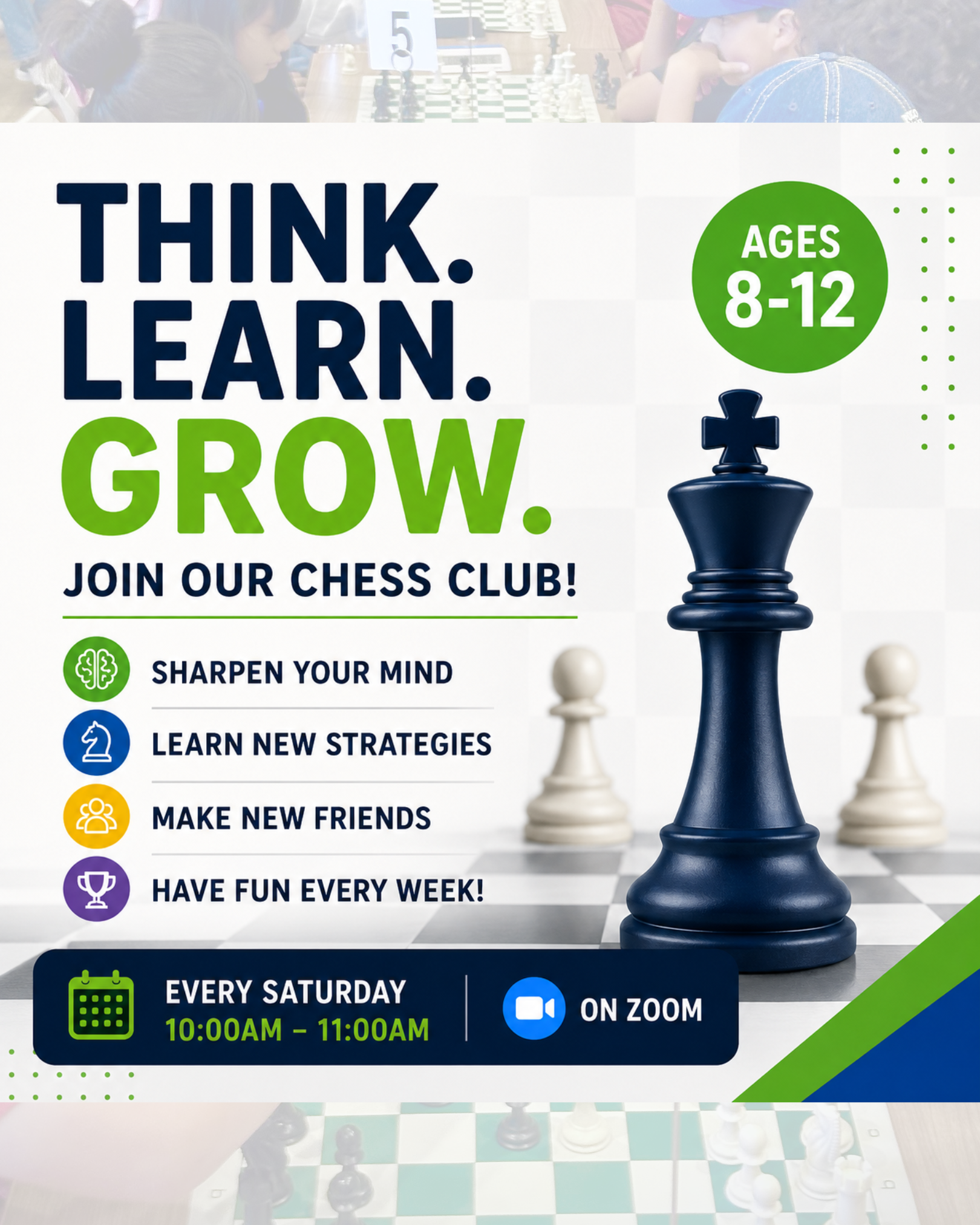
Most student programs promise growth but fall short on focus and leadership. Chess education offers a different path, sharpening student focus and teaching patience and perseverance through strategic play. At Train of Thought, we’ve seen how our chess curriculum builds critical thinking skills and youth leadership in K-12 learning. Let’s explore how these benefits can shape classroom engagement and academic achievement for your students. Learn more about the cognitive impact of chess in K-12 education.
Chess Education and K-12 Learning
Chess education isn’t just about learning to play a game; it’s about building a foundation of skills that students can apply in every area of their lives. This unique approach enhances classroom engagement and academic success, making chess an integral part of K-12 learning.
Building Student Focus
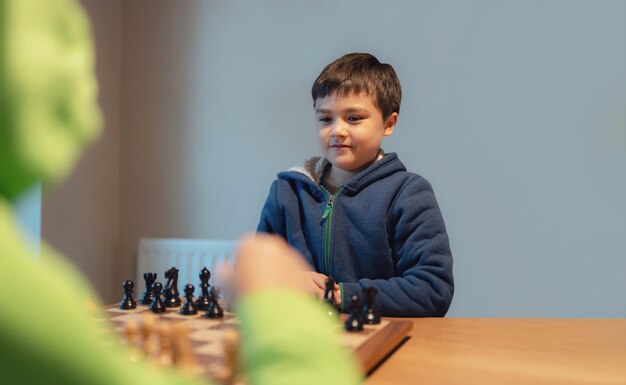
Teachers and parents alike know that maintaining student focus can be challenging. Chess helps improve concentration by encouraging students to pay attention to every move. Students learn to think several steps ahead, which helps them stay engaged and focused on the task at hand. Over time, this practice leads to better concentration in other areas of study as well. As students get used to focusing on the chessboard, they bring this skill into their other academic activities, enhancing their overall learning experience.
Patience and Perseverance in Play
Chess is a game that rewards patience. Students learn to wait for the right moment to make their move. This skill isn’t just useful on the chessboard—it applies to real-life situations as well. By practicing patience, students develop perseverance, learning to stick with challenges even when they’re difficult. This persistence helps them in school and beyond as they tackle complex problems and projects. Students become more resilient, understanding that success often comes from consistent effort and determination.
Leadership Through Chess
Leadership skills are crucial for success in today’s world. Chess teaches students how to plan strategies and make decisions, fostering leadership qualities. By understanding the consequences of each move, students learn how to lead with confidence. These skills translate into real-life leadership opportunities, where students can take charge in group projects or serve in student government roles. Chess helps to build future leaders by developing the critical thinking and decision-making skills necessary for effective leadership.
Academic and Social Benefits

The benefits of chess education extend beyond academics, reaching into social and emotional learning. These skills are vital for well-rounded development and success.
Enhancing Critical Thinking Skills
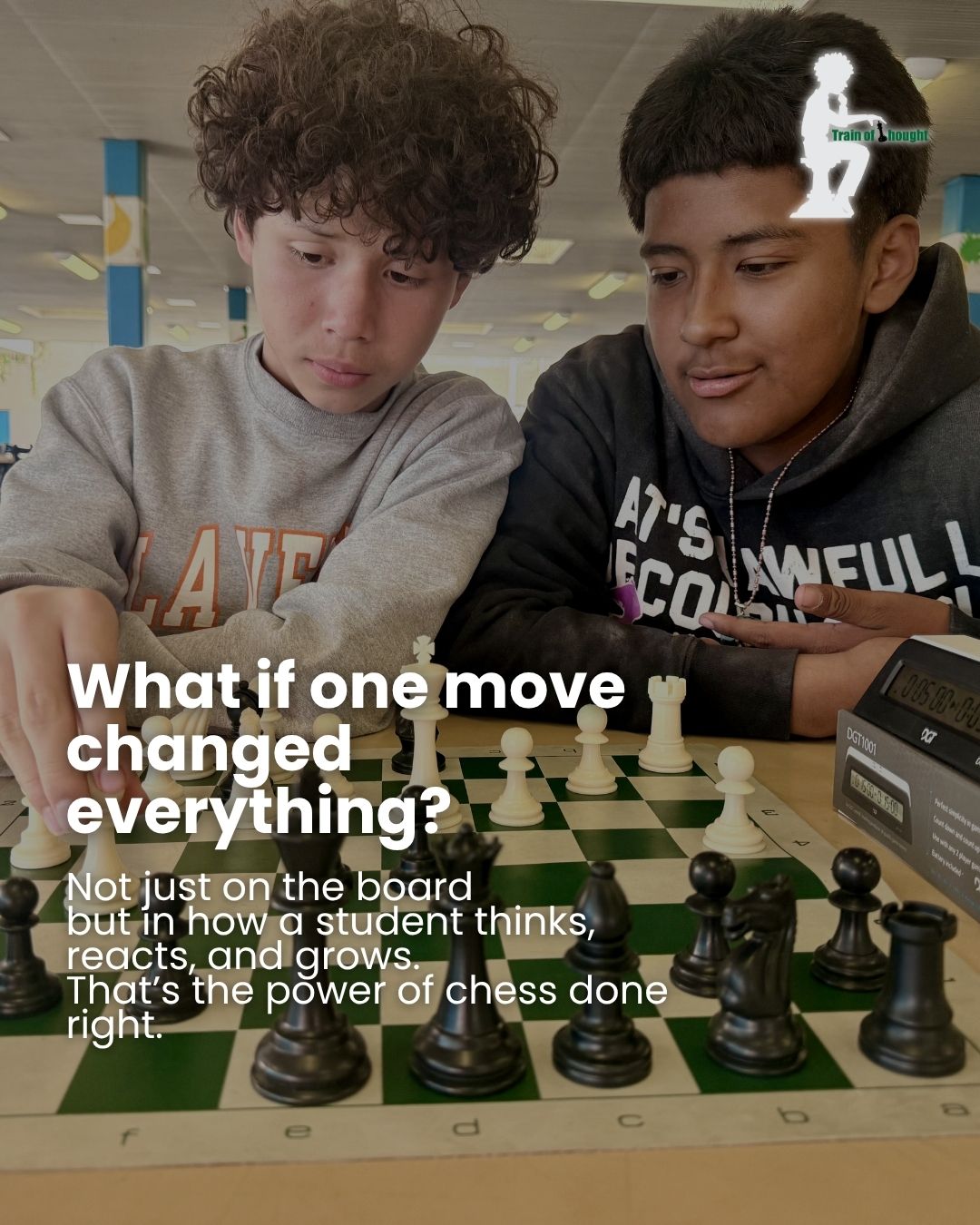
Chess requires players to analyze potential moves and predict outcomes. This process enhances critical thinking skills, which are essential in academic settings. Students learn to evaluate situations, consider various strategies, and choose the best course of action. This skill set helps them in subjects like math and science, where problem-solving is key. By consistently practicing critical thinking through chess, students become better equipped to tackle complex academic challenges.
Boosting Executive Function
Executive function involves planning, organizing, and managing tasks. Chess helps improve these skills by requiring players to develop strategies and follow through on plans. Students who play chess regularly demonstrate enhanced organizational skills and better time management. These improvements can lead to higher academic achievement and a more structured approach to schoolwork. By developing executive function, students are better prepared for the demands of high school and beyond.
Social Emotional Learning Impact
Chess also impacts social emotional learning by teaching students empathy and emotional regulation. Understanding an opponent’s perspective and managing emotions during a game translates to improved interpersonal skills. Students become more empathetic and capable of handling conflicts in a constructive manner. This emotional intelligence is crucial for success in both academic and social settings, helping students build healthier relationships and communicate more effectively.
Community and School Partnerships

Train of Thought is dedicated to expanding the reach and impact of chess education through strategic partnerships with schools and communities.
Los Angeles Chess Programs
Our programs have successfully reached numerous schools in the Los Angeles area. By integrating chess into school curriculums, we offer students access to a valuable learning tool. These programs are designed to be inclusive, providing opportunities for all students to benefit from chess education. We aim to continue expanding these initiatives to ensure that more students can experience the advantages of chess in their education journey.
Expanding Equity in Education
Chess can be a powerful equalizer in education, providing all students with the opportunity to develop critical skills regardless of their background. We strive to expand access to chess programs, particularly in underserved communities. By partnering with Title I schools, we work to ensure that every student has the chance to benefit from the cognitive and social skills that chess education offers. Our goal is to bridge educational gaps and promote equity through strategic play.
Opportunities for School Partnerships
We invite schools and educational organizations to partner with us in bringing chess education to more students. By collaborating, we can tailor programs to meet the specific needs of schools and communities. Whether it’s through after-school programs, workshops, or integration into existing curriculums, we are committed to supporting schools in fostering student growth through chess. Together, we can create lasting change in students’ lives by providing them with the tools they need to succeed both academically and personally.
Frequently Asked Questions
What age group benefits most from chess education?
While chess benefits all ages, K-12 students particularly gain from enhanced focus, critical thinking, and leadership skills that support their academic and personal growth.
How can chess improve student focus?
Chess requires students to concentrate on their moves and anticipate opponents’ actions, fostering improved attention span that translates to better focus in other academic subjects.
How does chess education support social emotional learning?
Chess teaches empathy and emotional regulation by encouraging players to understand opponents’ perspectives and manage emotions during gameplay, leading to improved interpersonal skills.
Are there opportunities for schools to partner with Train of Thought?
Yes, we welcome schools to partner with us to bring chess education to students, whether through after-school programs, workshops, or curriculum integration.
How does chess promote equity in education?
Chess programs can be implemented in Title I schools and underserved communities, providing all students access to the cognitive and social skills integral to their academic success.