Fall can be a challenging time for students settling back into school routines. Yet, chess education offers more than just a game—it sharpens student focus, builds confidence, and grows leadership skills throughout the semester. At Train of Thought, our K-12 chess programs have helped thousands of students, especially in underserved communities, develop critical thinking and social emotional learning. Let’s explore how this fall, chess can become a cornerstone for your student’s success and growth. Learn more.
How Chess Boosts Student Focus
Fall is a great time to bolster student focus, and chess is a fantastic tool for this purpose. By engaging students in strategic play, they can improve concentration and attention skills.
Enhancing Concentration and Attention
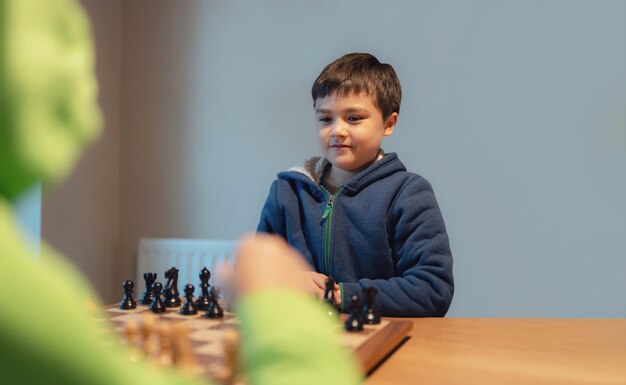
Chess requires intense focus, making it a powerful way to boost attention. Each move demands careful thought, encouraging players to concentrate deeply. For students, this translates into longer attention spans in the classroom. Training the mind to focus during a chess match can spill over into better focus during schoolwork. Your child will learn to tune out distractions, a skill that is particularly beneficial when tackling challenging subjects. This kind of mental discipline can lead to improved academic performance.
Developing Executive Function Skills
Executive function skills are crucial for academic success, and chess can play a vital role in developing these skills. Planning and decision-making are at the core of chess, as players must think several steps ahead. These skills help students organize tasks and manage time effectively. In chess, recognizing patterns and anticipating an opponent’s moves are key components. These are the same skills needed to excel in subjects like math and science. By weaving chess into their routine, students strengthen their ability to plan and execute tasks efficiently.
Fostering Cognitive Development
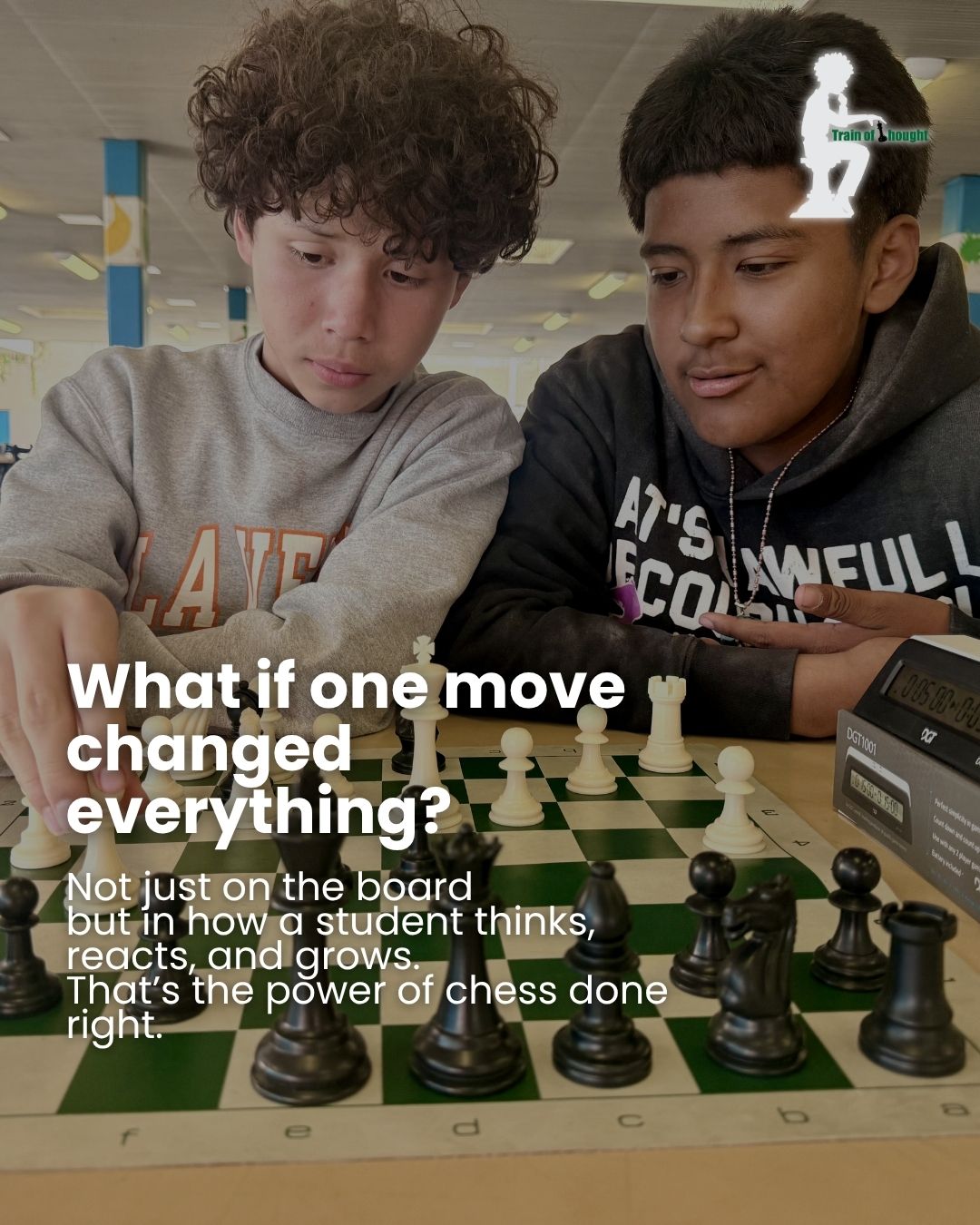
Cognitive development is about nurturing the brain’s ability to process information, and chess is an excellent way to achieve this. Chess encourages students to think critically and problem solve. Each game challenges them to weigh options and predict outcomes. This mental workout builds neural connections, enhancing cognitive abilities. The strategic nature of chess also fosters creativity, as children learn to think outside the box. Encouraging your child to play chess can lead to significant gains in cognitive development, preparing them for future academic challenges.
Building Confidence Through Chess

Confidence is key to student success, and chess is a great way to build it. As students achieve success on the chessboard, they carry this newfound confidence into their everyday lives.
Empowering Through Achievement
Success in chess comes from hard work and strategic thinking. As students learn and grow, they experience a sense of achievement. This empowers them, instilling the belief that they can overcome challenges. Chess teaches that losing is just part of the learning process. Students learn resilience, understanding that with persistence, they can improve and win. This mindset is empowering, fostering a can-do attitude in students.
Confidence Building for Kids
Children often face self-doubt, but chess can help combat this. By mastering chess strategies, kids develop self-assurance. Each victory on the board boosts their confidence. Chess also teaches humility and grace in defeat. Kids learn that failure is not the end, but a chance to learn and improve. This balanced perspective on winning and losing helps build a strong, confident character.
Social Emotional Learning Benefits
Chess is more than just a game; it’s a tool for social emotional learning. Through chess, students learn to manage their emotions, practice empathy, and build relationships. Playing chess requires patience and understanding of an opponent’s perspective, fostering empathy. Students learn to regulate emotions, maintaining composure under pressure. These social emotional skills are invaluable, helping students navigate school and life with confidence and understanding.
Leadership Skills in Chess Education

Chess is a unique platform to develop leadership skills in students. It offers a practical way for students to practice strategic thinking and decision-making.
Strategic Thinking for Leadership
Leadership requires strategic thinking, and chess is a prime training ground for this skill. Players must anticipate future moves and plan accordingly. This skill is directly transferable to leadership roles, where foresight and planning are crucial. Chess challenges students to consider various outcomes before acting, enhancing their strategic thinking. This approach to decision-making is essential for effective leadership, preparing students to lead with insight and confidence.
Youth Leadership Development
Chess nurtures leadership qualities by encouraging independence and critical thinking. As students play, they make decisions independently, learning to trust their judgment. This independence builds leadership skills, as students learn to take responsibility for their actions. Chess fosters problem-solving abilities and resilience, key traits of successful leaders. By engaging in chess, students develop the confidence and skills needed to lead effectively.
Real-World Decision-Making Skills
Chess is a metaphor for real-world decision-making. Each move requires careful consideration and evaluation of outcomes. This practice translates into better decision-making skills in life. Students learn to analyze situations, consider consequences, and make informed choices. These decision-making skills are crucial for success in academics and beyond. Chess prepares students for real-world challenges, equipping them with the tools to make sound decisions.
Frequently Asked Questions
How does chess improve student focus?
Chess enhances focus by requiring players to concentrate intensely on each move. This practice strengthens attention spans, which can translate to improved focus in the classroom.
What leadership skills can students gain from chess?
Students gain strategic thinking, problem-solving, and decision-making skills from chess. These skills are essential for effective leadership and prepare students to lead with confidence.
How does chess build confidence in kids?
Chess builds confidence through achievement. By mastering strategies and overcoming challenges, students gain self-assurance and resilience, boosting their overall confidence.