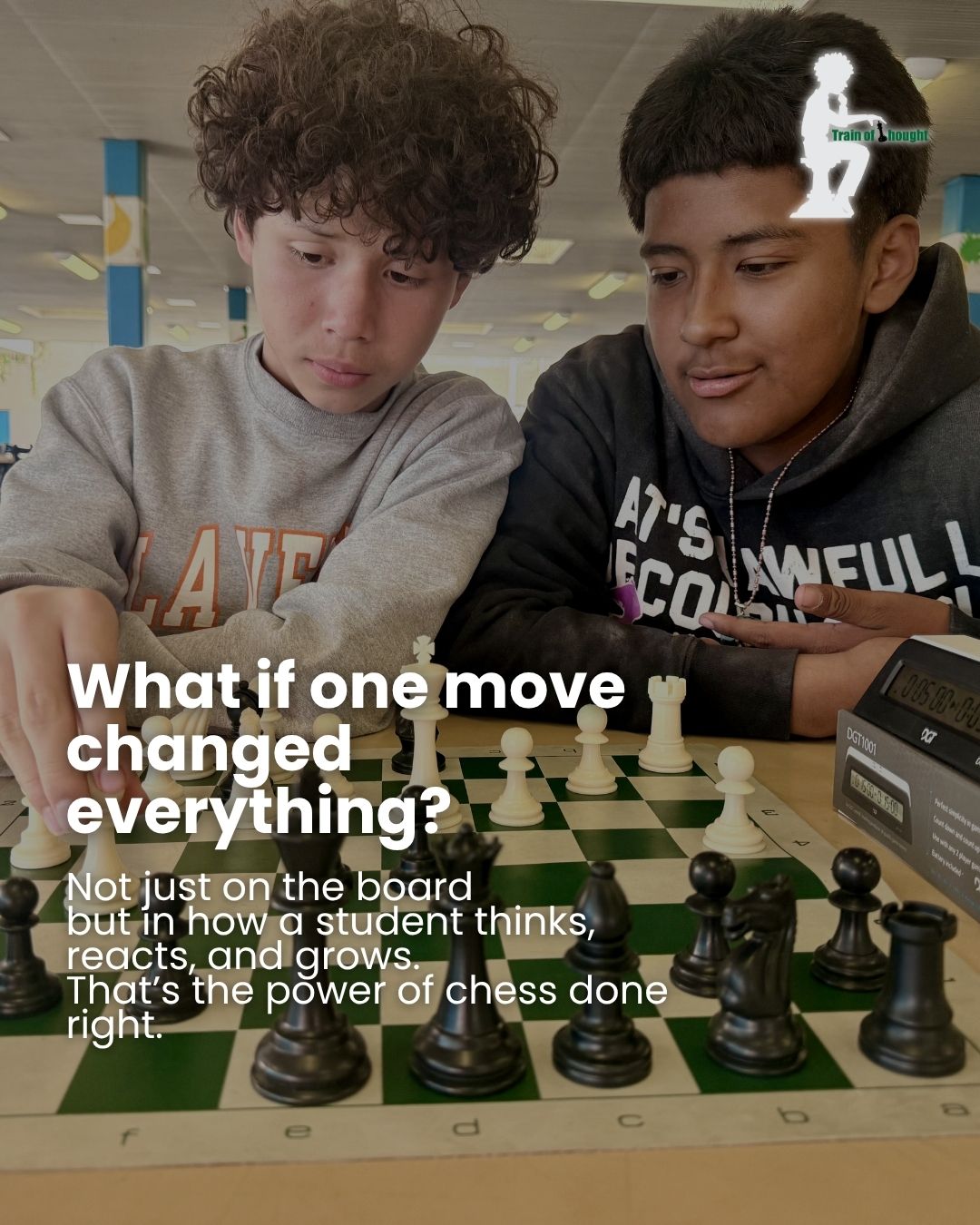
Back-to-school can feel overwhelming for students trying to focus and find their confidence. Chess offers a proven path to sharpen student focus and attention, while building confidence and leadership skills. At Train of Thought, our K-12 chess curriculum supports smooth transitions and positive growth during this critical time. Ready to see how chess can set your students up for success this fall? Learn more about the benefits of chess here.
Chess as a Tool for Student Success
Imagine a classroom where focus, confidence, and leadership are not just goals but realities. Chess can help make this vision come true. It provides a structured way to develop these traits, creating a strong foundation for students as they head back to school.
Enhancing Student Focus and Attention
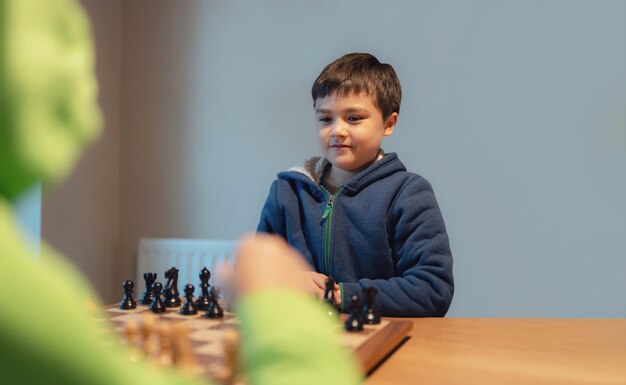
Chess demands concentration. Each move requires thought, strategy, and attention. By playing chess, students learn to keep their minds on the task at hand, improving their ability to focus in class. Picture a student who previously struggled to pay attention now engaged and attentive, thanks to the discipline of chess. This skill doesn’t just stay in the game; it translates to better performance in academics too.
Confidence Building for Students
Confidence is key to success. Chess helps students build this by encouraging them to think independently. When a student makes a move on the board, they are putting their decision-making skills to the test. Winning a game boosts self-esteem, while losing teaches resilience and the value of persistence. This combination builds a strong sense of self-worth that is crucial as students navigate school and life.
Leadership Through Chess
Chess is more than just a game; it’s a training ground for leaders. Each piece on the board has a role, and understanding how to use them effectively mirrors the skills needed to lead in real life. Students learn to strategize and think ahead, essential qualities for future leaders. Leadership isn’t about commanding; it’s about planning and guiding, skills honed through every chess match.
Benefits of K-12 Chess Curriculum

The benefits of integrating chess into education are vast. It’s more than a hobby; it’s an educational tool that can transform student learning.
Developing Critical Thinking Skills
Critical thinking is at the heart of chess. Players must evaluate their options and foresee the consequences of their moves. By practicing this regularly, students hone their ability to think critically, not just in games but in their academic pursuits as well. This skill is invaluable, giving them a competitive edge in solving complex problems, whether in math class or real-world scenarios.
Boosting Executive Function
Playing chess enhances executive function, the mental skills that help manage tasks and organize thoughts. Students learn to plan their moves, adjust strategies, and adapt to new situations. This translates directly to better organization and time management in their studies, creating students who are prepared and proactive in their learning environments.
Promoting Social-Emotional Learning
Chess also supports social-emotional learning by fostering perseverance, patience, and respect. Students learn to cope with winning and losing gracefully, developing empathy and communication skills. This aspect of chess is crucial in helping students build positive relationships with their peers and teachers.
Joining the Train of Thought Community

Train of Thought’s programs are designed to bring chess to more students, creating opportunities for growth and learning.
School Chess Program Partnerships
By partnering with schools, Train of Thought integrates chess into curricula, providing students with access to this powerful tool. This partnership not only benefits students but also enhances the school’s educational offerings, making learning dynamic and engaging. Schools interested in enriching their programs can explore the possibilities that chess brings.
Engaging After-School Chess Program
Our after-school chess programs offer a space for students to explore and develop their chess skills further. These programs are designed to be fun and educational, helping students apply what they learn in a relaxed and supportive environment. It’s an opportunity to create a community where students can thrive and grow together.
Supporting Chess for Underserved Students
Train of Thought is committed to making chess accessible to all students, especially those from underserved communities. By providing resources and support, we ensure that every student has the chance to benefit from chess, creating a more inclusive and equitable educational landscape.
Frequently Asked Questions
How does chess improve focus in students?
Chess requires players to concentrate on the board and think several moves ahead. This practice helps students enhance their ability to focus, which can improve their concentration in academic settings.
Can chess really build confidence in children?
Yes, chess builds confidence by encouraging independent decision-making and problem-solving. Winning boosts self-esteem, while learning from losses teaches resilience and perseverance.
What makes chess an effective tool for teaching leadership?
Chess teaches strategic thinking and planning, which are key components of leadership. Students learn to anticipate outcomes and make decisions, skills that are essential for leading effectively.
For more information on how chess can benefit your school or community, you can read more about the benefits of chess and how it boosts academic learning.