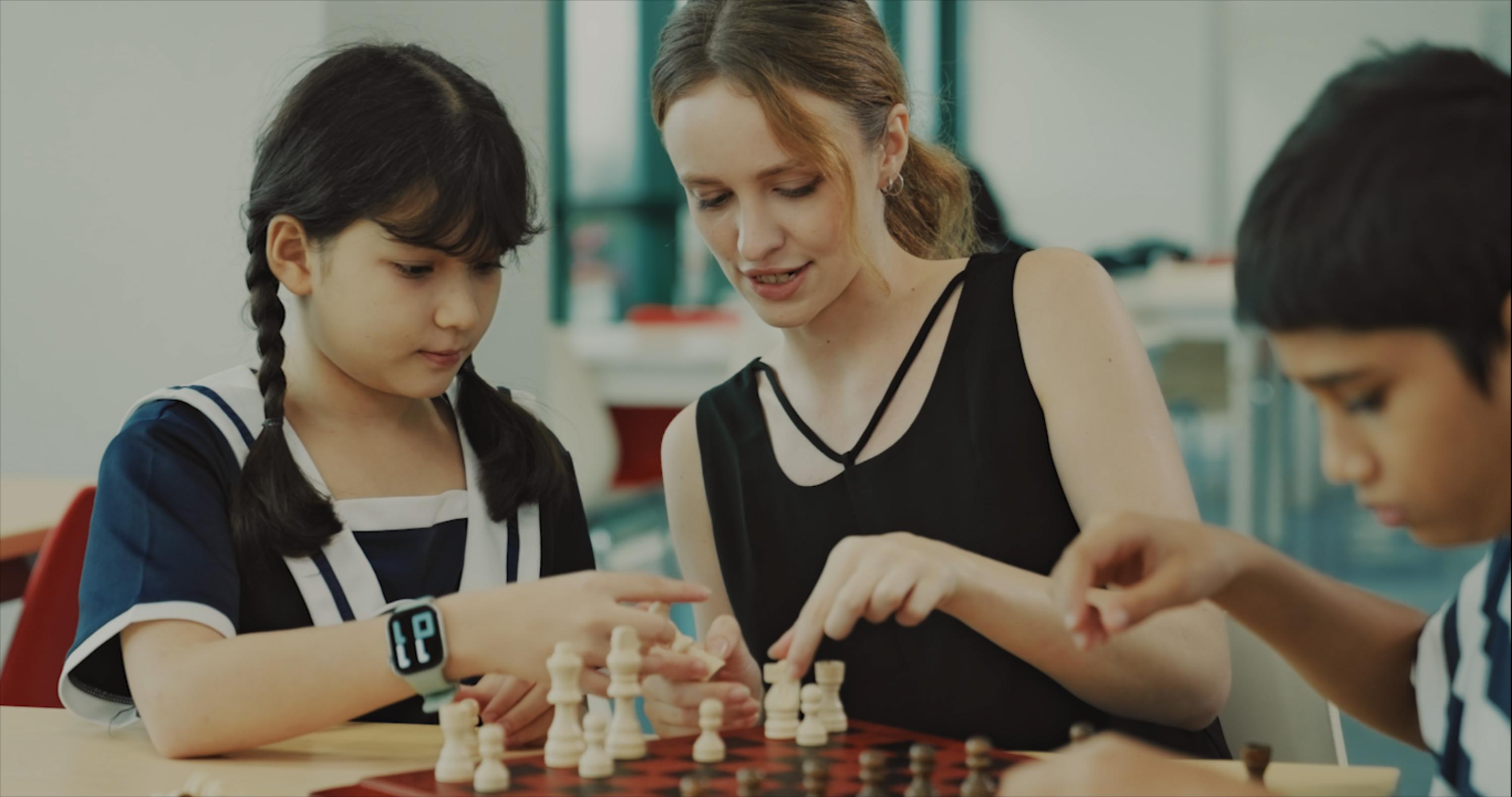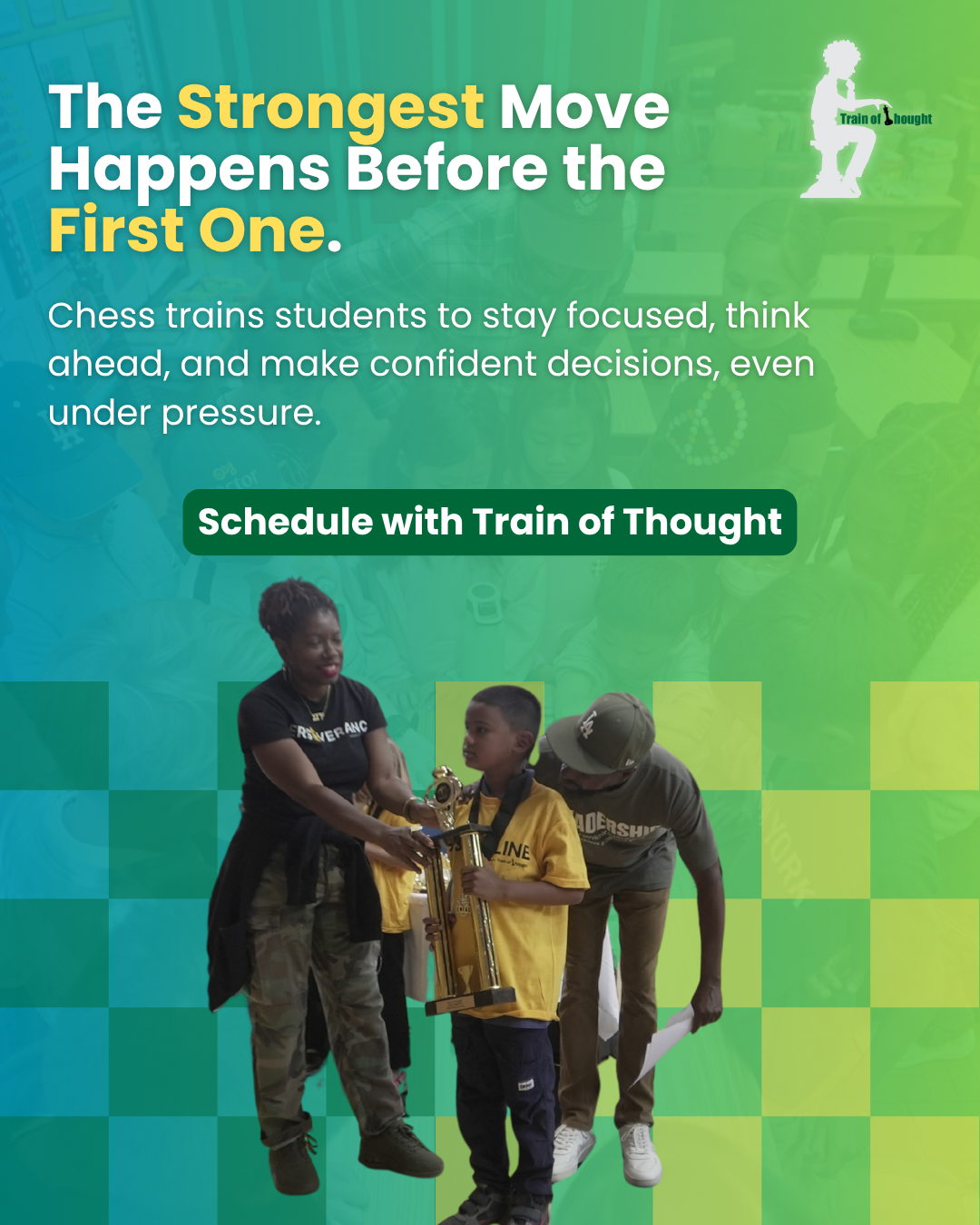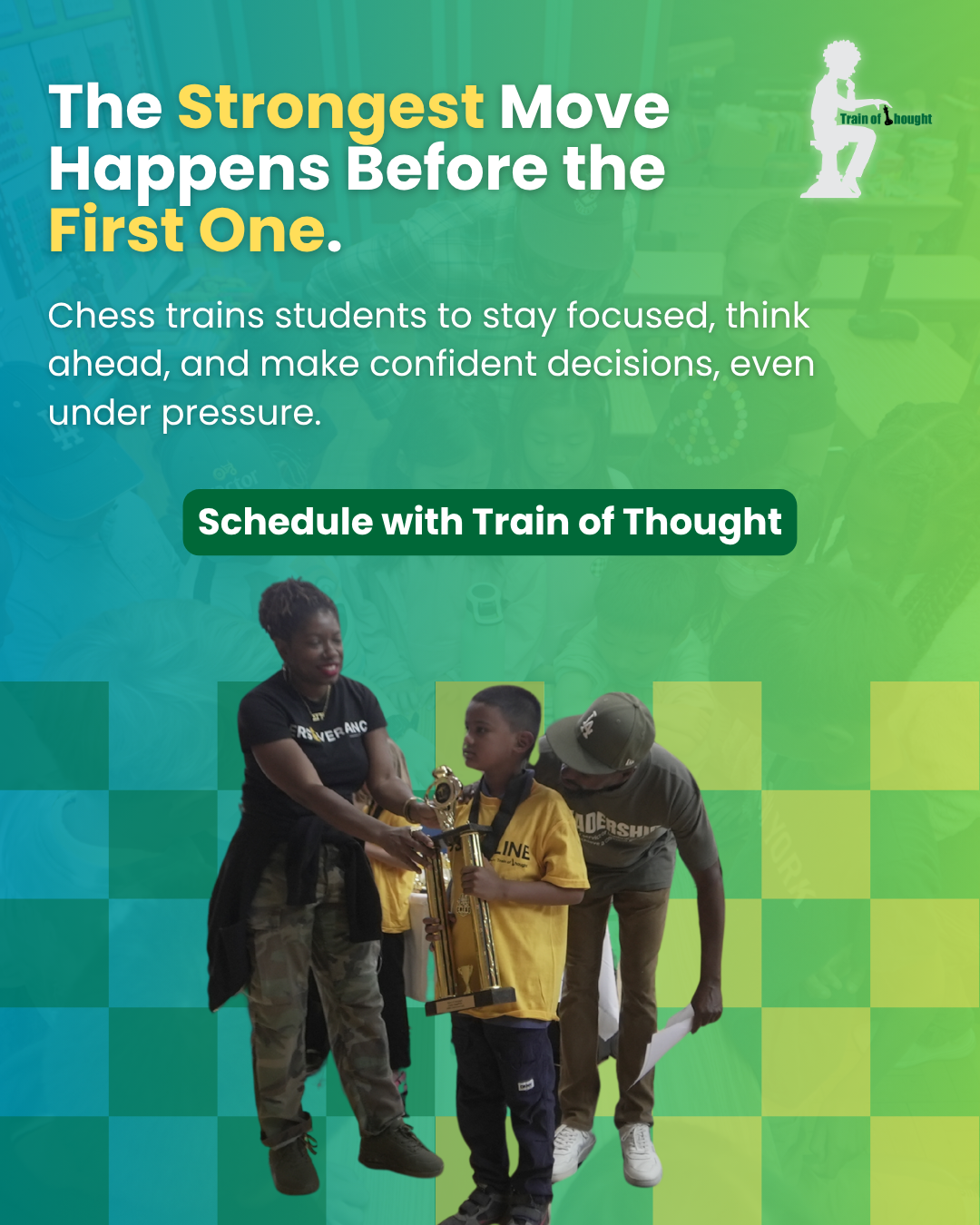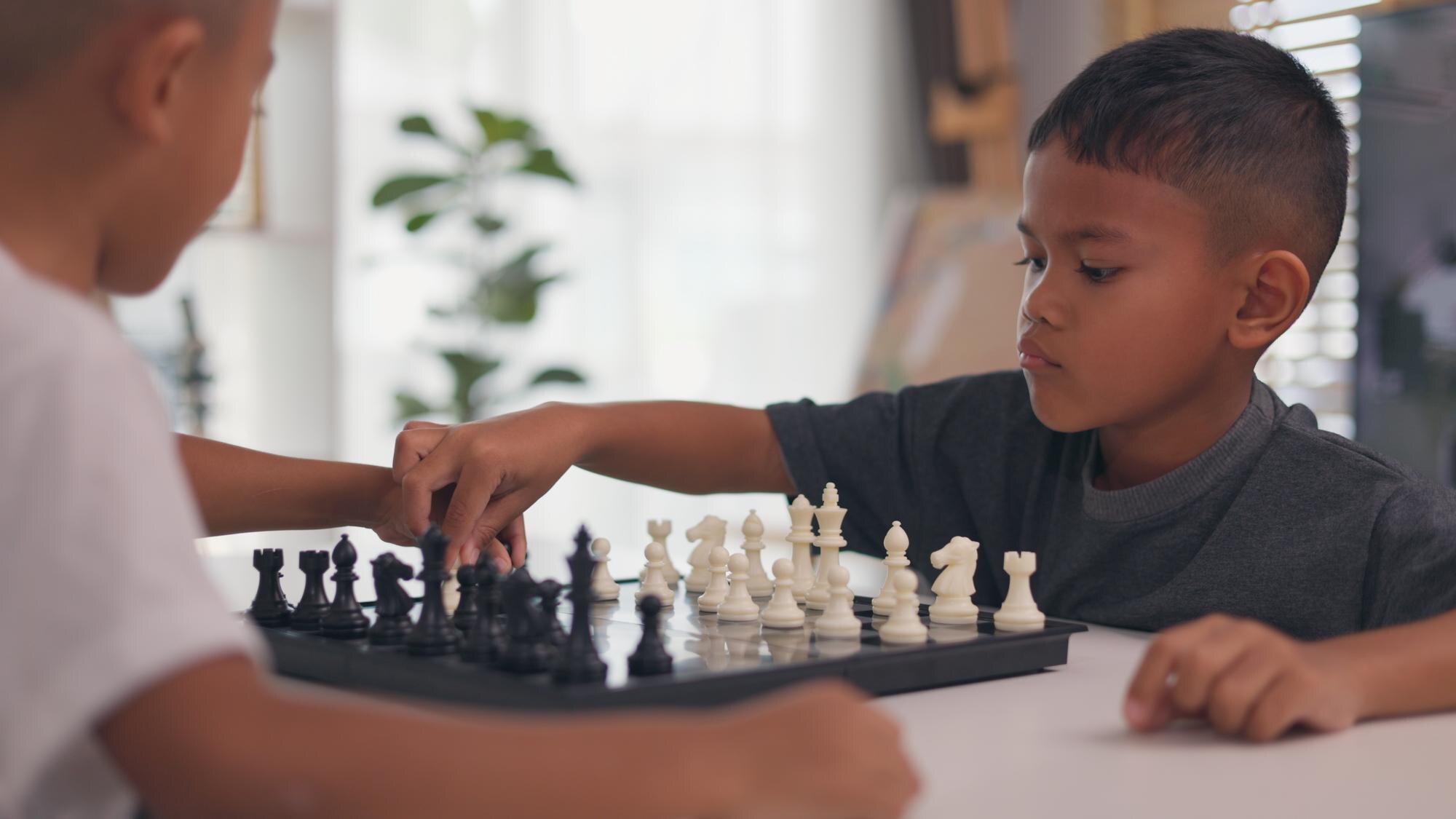
Most after-school programs fade away when summer arrives. Yet, students who engage in a year-round K-12 chess program gain steady progress in critical thinking skills, confidence building, and student leadership. At Train of Thought, we see firsthand how chess education keeps young minds sharp through every season, creating leaders who thrive both inside and outside the classroom. Ready to learn how sustained chess learning builds lasting success? Check out more details on our blog.
Chess Education for Critical Thinking
Chess provides a unique platform to nurture critical thinking. The game requires students to think several steps ahead, a skill that directly translates to effective decision-making in real-world scenarios.
Strengthening Problem-Solving Skills
Chess challenges players to solve complex problems. Each move demands an analysis of the current board and the prediction of future outcomes. By engaging in chess, you practice breaking down problems into manageable parts. This process mirrors tackling difficult math problems or planning a project at school.
Chess not only hones logical reasoning but also encourages creativity. You must consider various strategies and adapt them to changing situations. This flexibility is crucial in both academic and personal settings. By playing chess, you learn to think both critically and creatively, preparing you for diverse challenges.
Enhancing Cognitive Development
Beyond problem-solving, chess significantly boosts cognitive development. It sharpens memory, as remembering past games can guide future strategies. Studies show that regular chess play can improve academic achievement, especially in subjects like math. The ability to visualize outcomes and plan accordingly is a direct benefit of consistent chess practice.
Additionally, chess promotes patience and concentration. These skills are essential for success in school and beyond. As you play, you learn to focus deeply on tasks, which leads to better academic performance. Chess is more than a game; it’s a tool for lifelong learning and mental growth.
Building Confidence Through Chess

Confidence is key to personal and academic success. Chess builds this trait by providing a safe environment to take risks and learn from mistakes.
Fostering Self-Esteem in Youth
Chess is an excellent medium for fostering self-esteem. It empowers students by allowing them to make decisions and see the results of their choices. Winning a game or simply making a clever move can boost a child’s confidence. This sense of achievement extends beyond the chessboard.
Moreover, chess teaches resilience. Facing an opponent and learning from losses builds character. These experiences help students develop a growth mindset, where challenges are seen as opportunities to learn rather than obstacles. This mindset is crucial for academic and personal growth.
Encouraging Positive Risk-Taking
Chess naturally encourages positive risk-taking. Each move involves weighing options and potential consequences. This decision-making process builds courage, allowing students to take calculated risks. These skills are vital in real life, where risks are unavoidable.
By playing chess, students learn that risks can lead to rewards. This understanding helps them approach challenges with confidence and resilience. Encouraging positive risk-taking in chess prepares students for similar situations in life, fostering a proactive attitude toward learning and growth.
Leadership Skills from the Chessboard

Chess is not just about individual play; it builds leadership skills by teaching strategy and empathy.
Developing Student Leadership
Chess mirrors leadership by requiring players to plan and foresee outcomes. Students learn to lead by example, thinking strategically and considering the broader impact of their decisions. These lessons translate to leadership roles in school and the community.
Additionally, chess fosters discipline and responsibility. Players must manage their time and resources effectively. These skills are essential for aspiring leaders who need to balance multiple tasks and guide others toward shared goals.
Empowering Social-Emotional Learning 🤝
Chess also boosts social-emotional learning. It teaches empathy by encouraging players to consider their opponent’s perspective. Understanding different viewpoints is crucial for effective communication and collaboration.
Social-emotional skills gained from chess enhance teamwork and conflict resolution. By participating in chess tournaments, students learn sportsmanship and respect. These experiences prepare them to work well with others and handle interpersonal challenges gracefully.
Frequently Asked Questions
How does chess improve critical thinking skills?
Chess improves critical thinking by teaching students to analyze complex situations, plan multiple moves ahead, and adapt strategies based on their opponent’s actions.
Can playing chess really boost academic performance?
Yes, studies show that chess can enhance cognitive abilities such as memory and concentration, which are linked to improved academic performance, particularly in math.
What leadership skills can students gain from chess?
Students learn strategic planning, responsibility, and empathy through chess, all of which are crucial for effective leadership both in school settings and beyond.