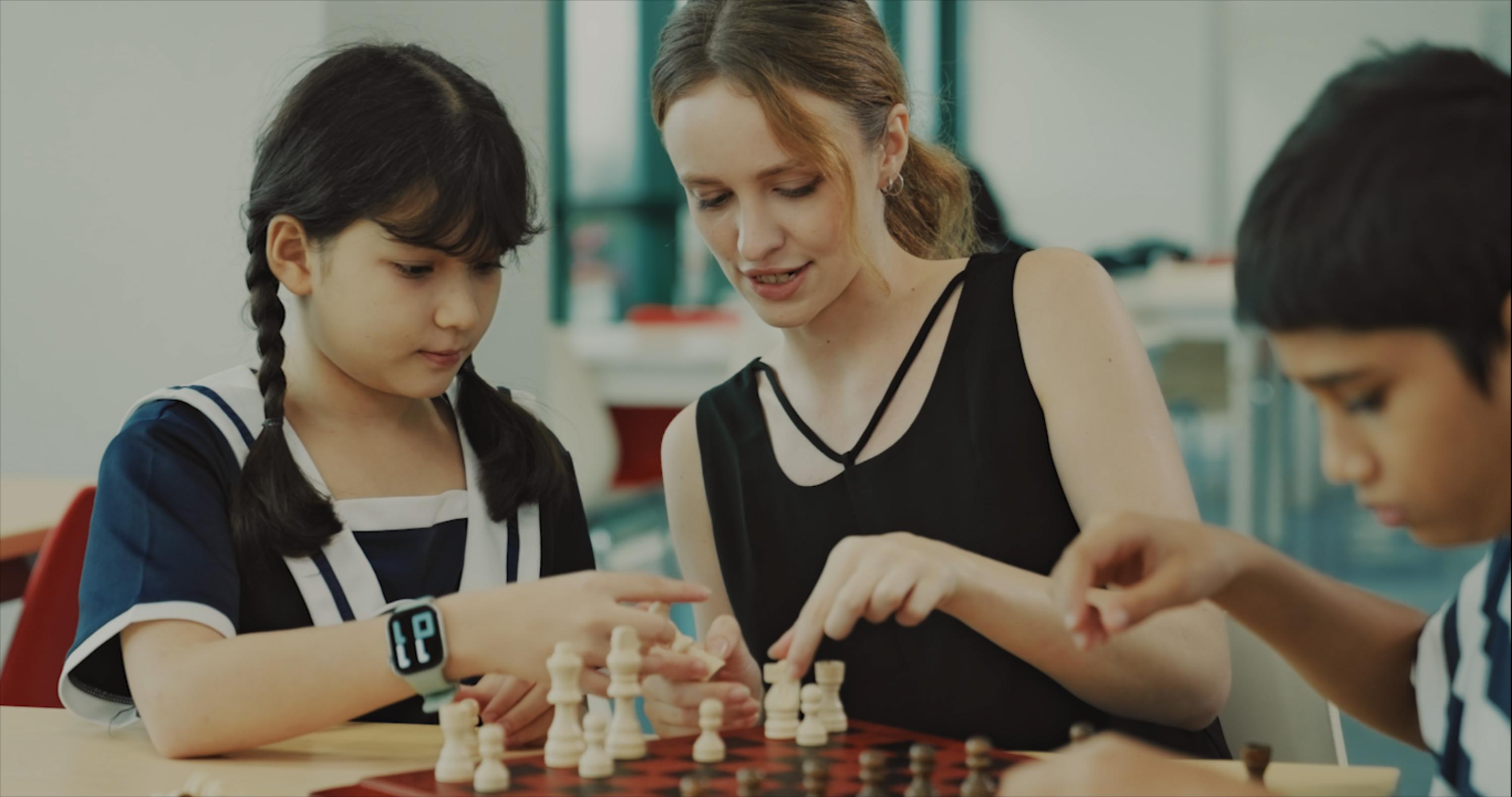
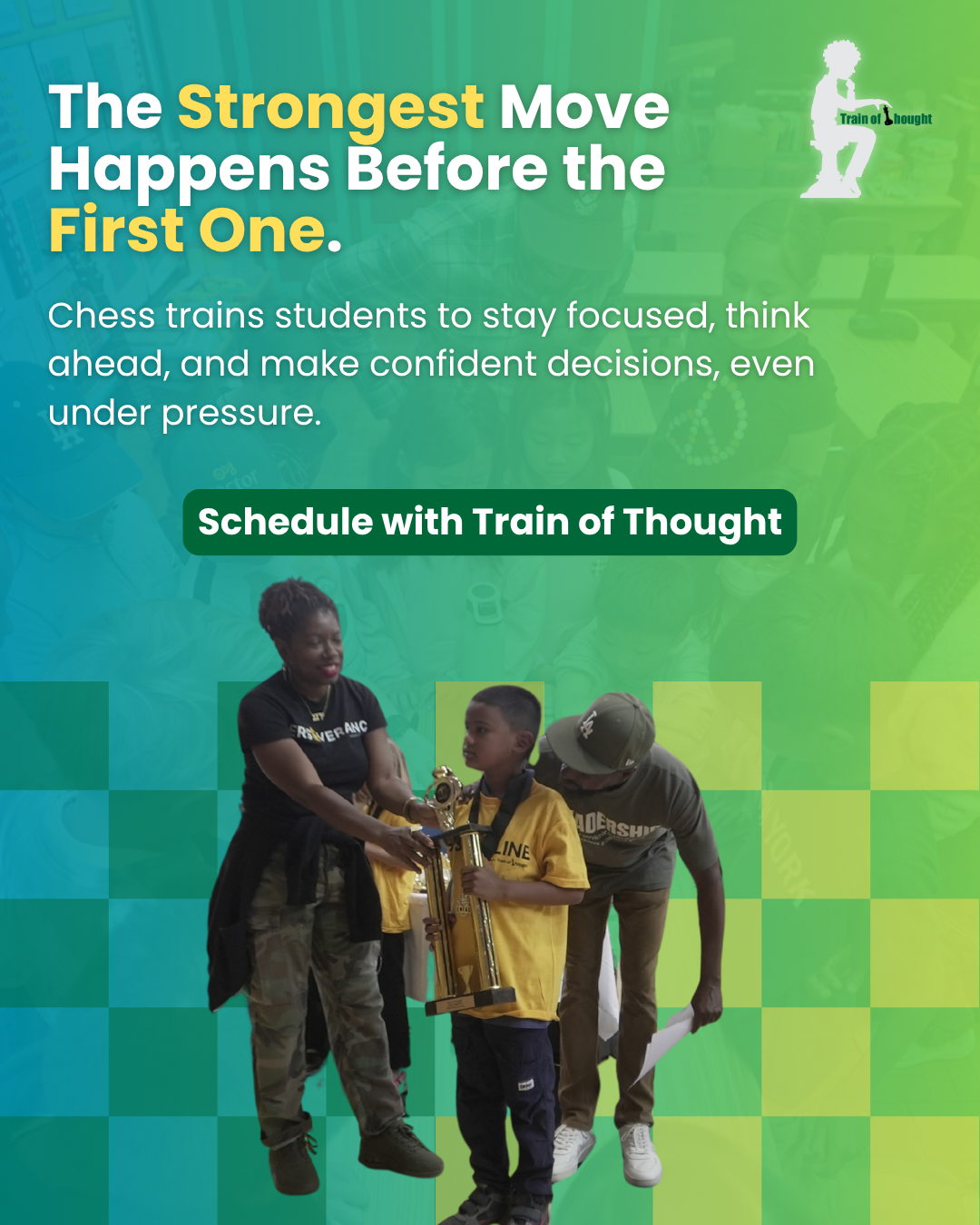
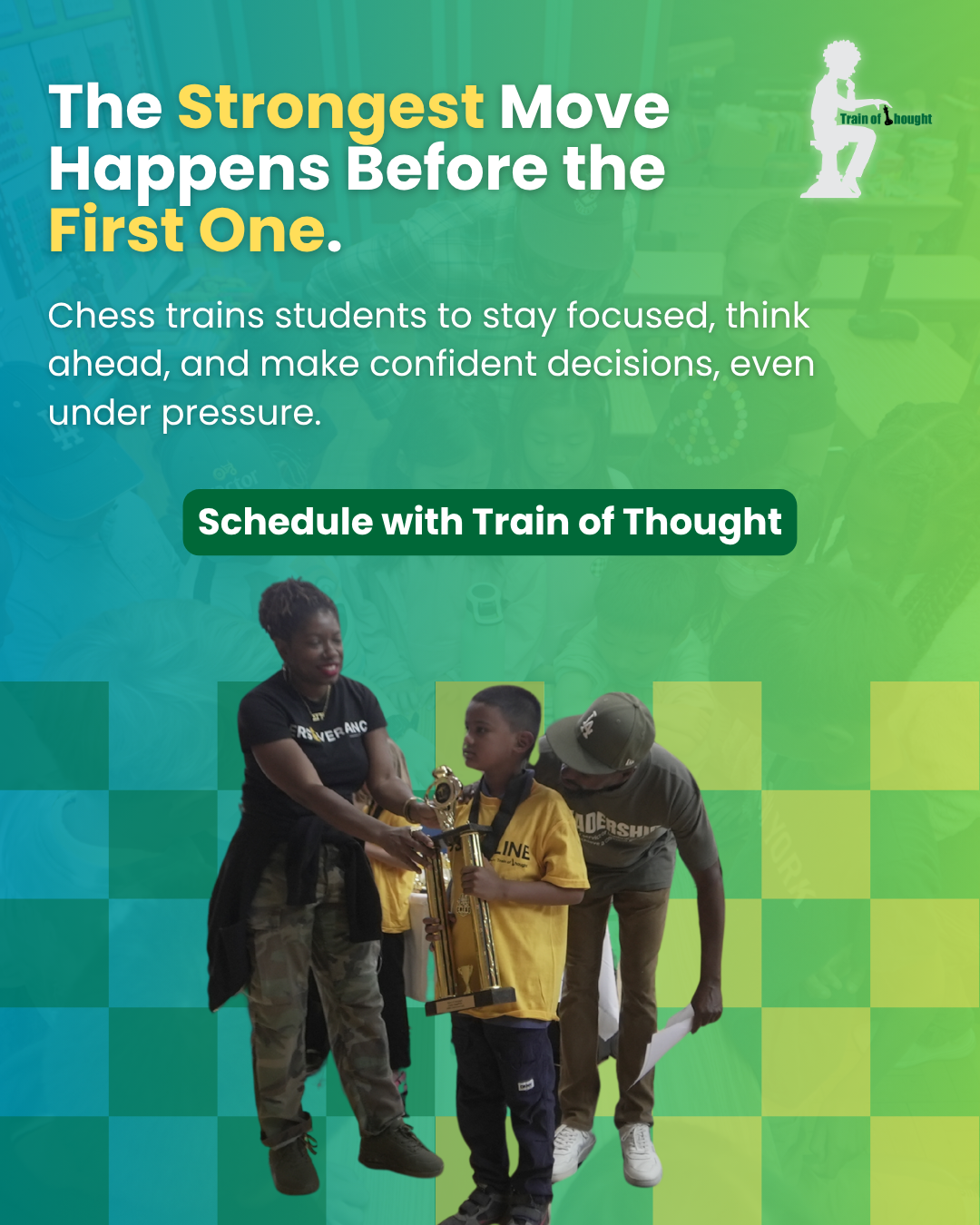
Most after-school programs focus on keeping kids busy, but few offer a proven path to sharpen focus and build confidence. Chess education changes that by nurturing critical thinking and leadership in K-12 students. At Train of Thought, we’ve seen how our school chess curriculum turns strategic play into real growth—especially for students who need it most. Keep reading to see how chess can help your child develop skills that last a lifetime. For more insights on the benefits of chess, visit this page.
Building Focus and Attention
Chess is more than a game; it’s a powerful tool for enhancing student focus and attention. As players strategize, they learn to concentrate deeply on the task at hand, honing skills that benefit them in the classroom.
Chess as a Tool for Concentration
Playing chess requires intense concentration. Each move demands careful planning and foresight, teaching students to focus on long-term goals. This process is like a mental workout that strengthens their ability to concentrate during lessons in school. By continuously engaging in chess, students develop an ability to focus on tasks for extended periods, which translates into better concentration in academic settings. Through strategic play, they practice staying attentive and composed under pressure, skills that are invaluable for academic success and beyond.
Enhancing Cognitive Development in Students
Chess nurtures cognitive development by engaging students in activities that require critical thinking. Every game involves evaluating options, predicting outcomes, and making strategic decisions. This kind of mental exercise boosts cognitive abilities, helping students become adept at problem-solving. The game encourages players to think ahead, analyze different scenarios, and make decisions based on logical reasoning. These skills are directly applicable to their studies, aiding them in tackling complex problems with confidence and insight. The learning process in chess mirrors academic challenges, making it a practical tool for cognitive growth.
Academic Achievement Through Chess
Chess not only enhances cognitive skills but also contributes to academic achievement. Studies show that students who play chess often see improvements in math and reading scores. The strategic nature of the game helps students develop logical reasoning skills, which are fundamental to understanding mathematical concepts. Furthermore, reading chess notation and understanding strategies improve reading comprehension and analytical skills. This dual enhancement of math and reading abilities sets a strong foundation for overall academic success, making chess a valuable addition to any educational curriculum.
Boosting Student Confidence and Leadership

Beyond academic benefits, chess plays a crucial role in building student confidence and leadership skills. By participating in chess, students learn to trust in their abilities and take initiative.
Student Confidence Building with Chess
Chess fosters self-confidence by empowering students to make independent decisions. Each game presents unique challenges that require players to rely on their judgment. As students master the game, they gain confidence in their ability to navigate complex situations. This self-assurance extends beyond the chessboard, encouraging students to approach new challenges with a positive mindset. The sense of accomplishment from winning a game or solving a difficult puzzle boosts their confidence, reinforcing the belief that they can succeed through perseverance and smart decision-making.
Leadership Through Strategic Play
Chess is a strategic game that mirrors leadership principles. Players learn to anticipate opponents’ moves, plan strategies, and adapt to changing situations. These skills are essential for effective leadership. By understanding the consequences of their actions and making informed decisions, students develop leadership traits such as foresight, adaptability, and strategic thinking. Chess teaches them to lead by example, demonstrating the importance of careful planning and thoughtful decision-making in leadership roles. This strategic play nurtures leaders who are equipped to handle real-world challenges with confidence and clarity.
Social-Emotional Learning and Growth
Chess supports social-emotional learning by promoting patience, empathy, and resilience. Players must remain calm under pressure, learn from mistakes, and show respect to opponents. These experiences teach valuable life lessons that contribute to emotional growth. Through chess, students learn to manage their emotions, persevere through setbacks, and understand the perspectives of others. This holistic development fosters a supportive community where players encourage and uplift each other, creating an environment conducive to personal and social growth.
Implementing Chess Programs in Schools

Introducing chess programs in schools is a strategic move to foster cognitive and character development. These programs provide structured opportunities for students to engage with chess and reap its benefits.
School Chess Curriculum and Programs
A well-designed school chess curriculum can transform how students learn and grow. Such programs integrate chess into the daily educational routine, offering students regular opportunities to engage with the game. By including chess in the curriculum, schools invest in developing critical thinking, problem-solving, and leadership skills among students. These programs are tailored to align with educational standards, ensuring that chess complements and enhances academic learning. Schools can utilize chess to create a dynamic learning environment that captivates students and encourages intellectual curiosity.
After-School Chess Program Opportunities
After-school chess programs offer students additional time to practice and refine their skills. These programs create a supportive community where students can learn from each other and improve their game. Participating in after-school chess clubs allows students to explore their passion for chess in a relaxed setting, away from the pressures of regular academic work. These programs are pivotal in fostering a love for the game, encouraging students to develop their skills further, and providing an avenue for personal growth and social interaction.
Engaging Community Education Partnerships
Building partnerships with community organizations can enhance the reach and impact of school chess programs. Collaborating with local groups allows schools to extend chess education beyond the classroom, engaging more students and families. These partnerships can provide resources, organize tournaments, and create opportunities for community involvement in chess activities. By working together, schools and community organizations can create a robust support system that fosters student development and encourages lifelong learning through chess. Community involvement enriches the educational experience, making chess accessible to a broader audience and reinforcing its value in student growth.
Frequently Asked Questions
What benefits does chess offer to students?
Chess offers numerous benefits, including enhanced focus and attention, cognitive development, and improved problem-solving skills. It also boosts confidence, fosters leadership abilities, and provides social-emotional growth.
How can schools implement a chess program?
Schools can introduce chess programs by integrating a chess curriculum into their classes or offering after-school chess clubs. Partnering with community organizations can also help extend these programs and resources.
Does playing chess improve academic performance?
Yes, playing chess can lead to improvements in academic performance, particularly in math and reading. The strategic thinking and problem-solving skills developed in chess are directly applicable to these subjects, aiding in better comprehension and scores.
How does chess build leadership skills?
Chess builds leadership skills by teaching players to plan strategically, make informed decisions, and adapt to changing scenarios. These aspects of the game mirror real-world leadership challenges, preparing students to lead effectively.
Can chess help with social-emotional learning?
Absolutely, chess promotes social-emotional learning by teaching patience, empathy, and resilience. Players learn to manage emotions, respect opponents, and persevere through challenges, all of which contribute to personal and social growth.