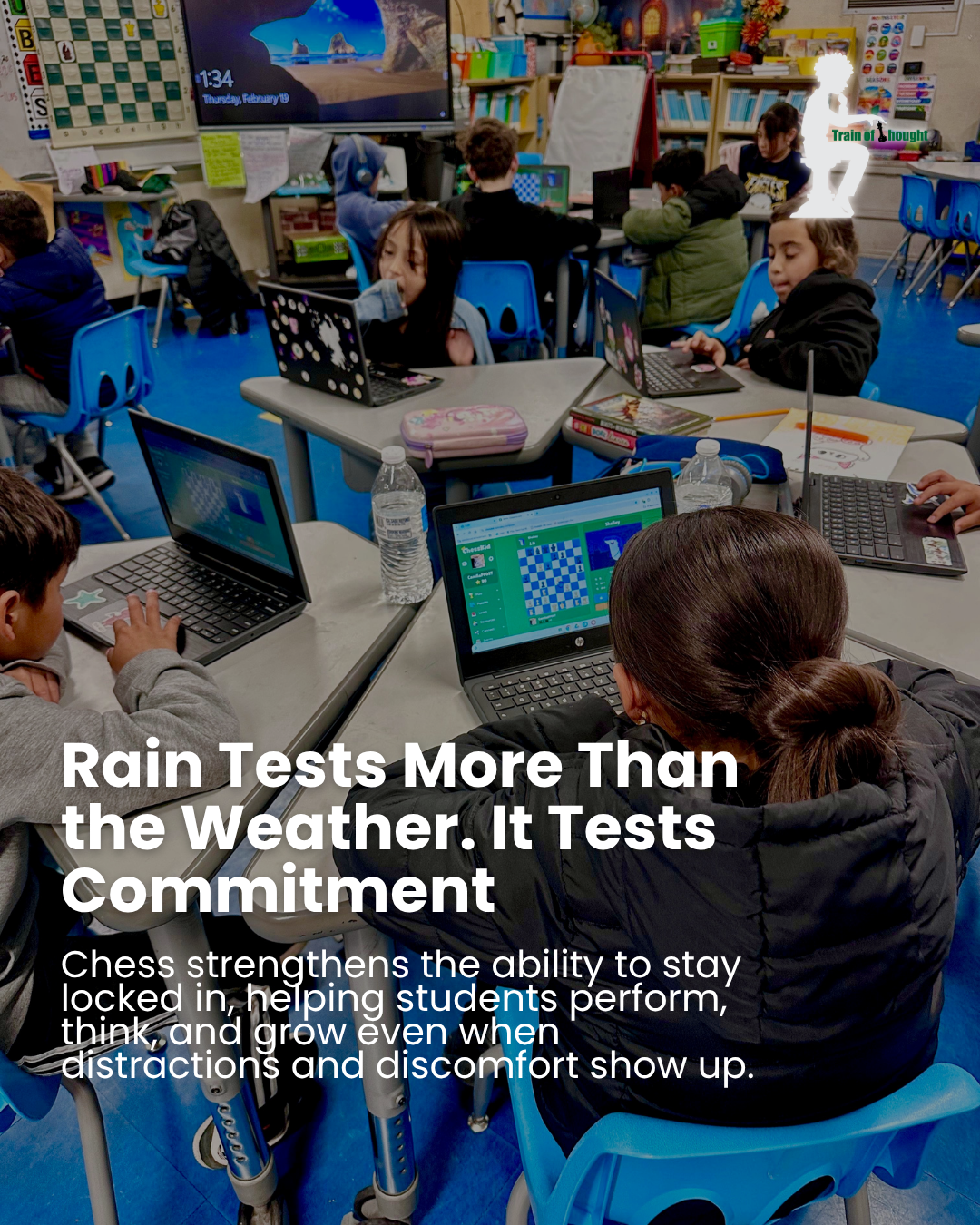
Chess education is more than just a game—it’s a year-round tool that sharpens critical thinking skills, builds confidence, and fosters student leadership. At Train of Thought, we see every move as a step toward growth, helping K-12 students develop skills that extend far beyond the board. Ready to explore how our programs keep learning alive throughout the seasons and empower your child or school community? Let’s take a closer look at what makes year-round learning through chess so powerful. Learn more.
Chess Education for Year-Round Growth
Chess is more than just a board game; it’s a powerful tool for student growth. Let’s explore its impact on critical thinking, leadership, and social-emotional learning.
Building Critical Thinking Skills
Chess teaches children to think ahead. Each move requires them to analyze the board, predict consequences, and plan strategies. This skill is essential for academic and life success. When students regularly engage in chess, they learn to solve complex problems, boosting their cognitive development.
Moreover, chess encourages pattern recognition. Kids learn to spot familiar setups, helping them anticipate and counter opponents’ moves. As they identify these patterns, they refine their problem-solving abilities. Through chess, students develop patience and persistence, learning that every decision counts.
Fostering Student Leadership and Confidence
Chess fosters leadership by encouraging strategic planning. Students take charge of their game, making decisions that impact the outcome. This autonomy builds confidence, showing kids the value of their choices.
Playing chess also teaches responsibility. Players must adapt when plans fail, learning resilience. This skill translates into real-world leadership, where adapting to change is crucial. Chess gives students the confidence to lead, both on and off the board.
Promoting Academic and Social-Emotional Learning
Chess supports academic growth by enhancing focus and discipline. When children concentrate on the game, they improve their attention span. This focus is crucial for academic tasks, from reading comprehension to math problems.
Socially, chess teaches empathy and respect. Players learn to see the game from their opponent’s perspective, fostering understanding. This aspect of emotional learning is vital for building healthy relationships. Chess helps students navigate social situations with confidence and respect.
Expanding Opportunities Through Partnerships

Partnerships enhance the reach of chess education, ensuring more students benefit from its advantages. Let’s discuss how community support, school programs, and sponsorships expand these opportunities.
Community Engagement and Support
Community involvement is key to expanding chess programs. By collaborating with local groups, we bring chess to more students. Community events and workshops introduce this educational tool to wider audiences, fostering interest and participation.
Additionally, community support helps sustain chess initiatives. Local businesses and organizations can sponsor programs, providing resources for growth. This collaborative approach ensures that chess education remains accessible and impactful.
Customized Chess Programs for Schools
Schools benefit immensely from tailored chess programs. Customization allows programs to align with specific educational goals, making chess a valuable addition to curricula.
Schools can integrate chess into various subjects, reinforcing critical thinking and strategic planning. Custom programs ensure that all students, regardless of skill level, engage meaningfully with the game. This personalized approach maximizes the benefits of chess education.
Sponsorships for Equitable Education
Sponsorships play a crucial role in promoting equal access to chess education. By funding programs, sponsors help reach underserved communities, ensuring all students have the opportunity to learn.
Equitable access to chess education promotes inclusivity, allowing every child to experience its benefits. Sponsorships help break down barriers, making chess a tool for empowerment and growth across diverse student populations.
Bringing Chess to Your Community

Chess is a transformative tool for growth. Here’s how you can bring its benefits to your community.
Enroll in Our Next Session
Joining a chess program is a great way to introduce students to this enriching activity. Programs are available for all age groups, ensuring everyone can participate and learn.
Chess sessions provide structured learning and play, fostering skill development and enjoyment. Whether during school or after classes, these programs offer valuable educational experiences.
Schedule a Free Planning Call
Interested in starting a chess program? Schedule a free call with us to discuss your needs. Together, we can design a program that fits your community or school’s goals.
Our team will help outline steps for successful implementation, ensuring chess becomes a meaningful part of your educational offerings. Let’s work together to make a difference.
Sample Lessons and Curriculum Overview
Explore our sample lessons to see how chess education works. Our curriculum is designed to engage students and foster growth. Lessons cover everything from basic strategies to advanced techniques, tailored to different learning levels.
By reviewing our curriculum, you’ll understand how chess can enhance learning in your community. Our structured approach ensures every child benefits from this timeless game.
Frequently Asked Questions
What age group is suitable for chess programs?
Our programs cater to K-12 students, adapting to different age groups and skill levels. Chess benefits children as young as five, helping them develop critical thinking and problem-solving skills.
How does chess improve academic performance?
Chess enhances focus, discipline, and strategic thinking, which are crucial for academic success. Students who play chess tend to perform better in subjects like math and reading.
Can schools integrate chess into existing curricula?
Yes, chess can be easily integrated into various subjects, reinforcing key skills like critical thinking and analysis. Customized programs ensure alignment with educational goals.
What support is available for starting a chess program?
We offer planning calls and curriculum samples to help schools and communities start chess programs. Our team provides guidance throughout the implementation process.
Are there sponsorship opportunities for chess programs?
Yes, sponsorships help make chess education accessible to all students. They provide resources for program expansion, ensuring equitable access to chess learning.