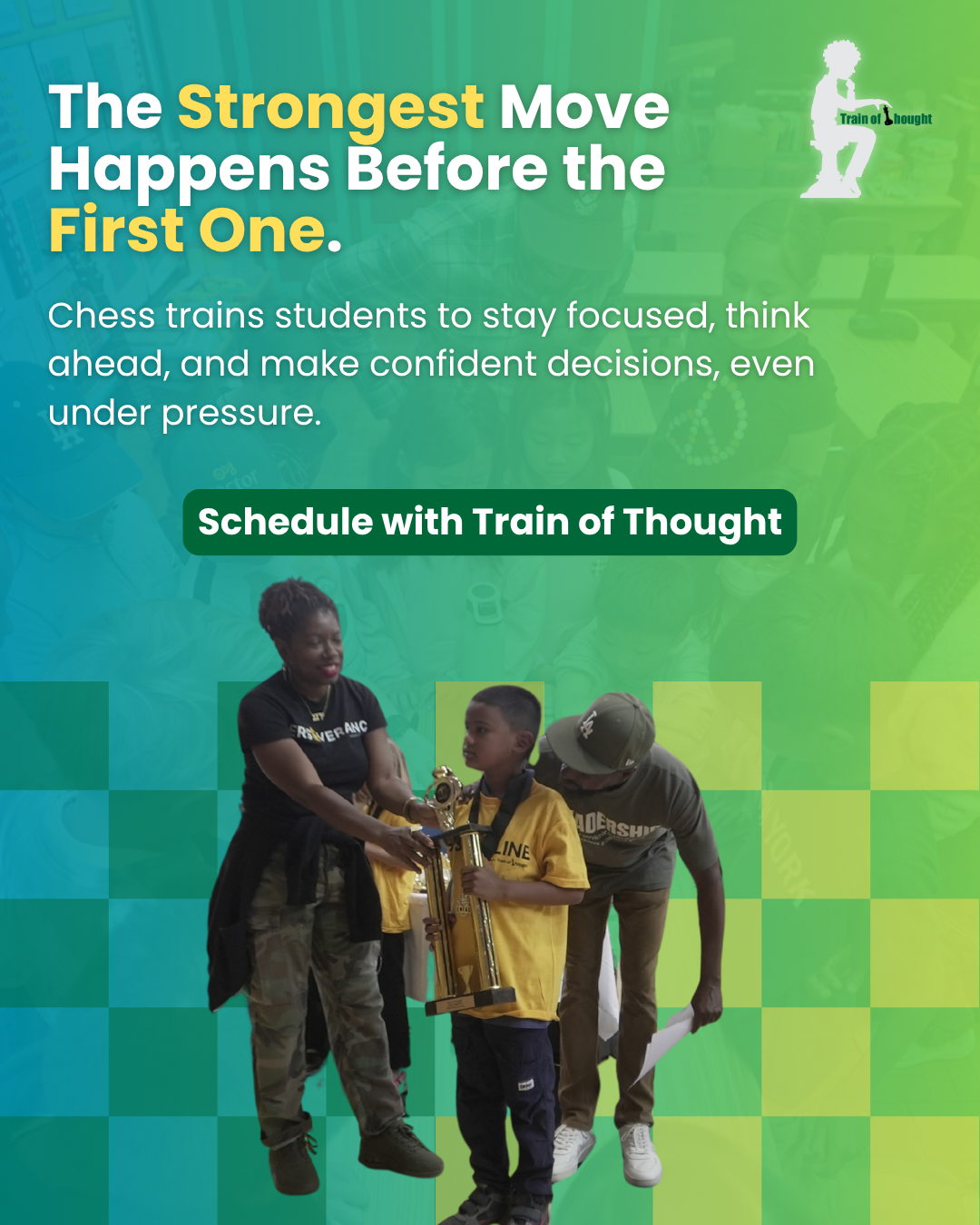
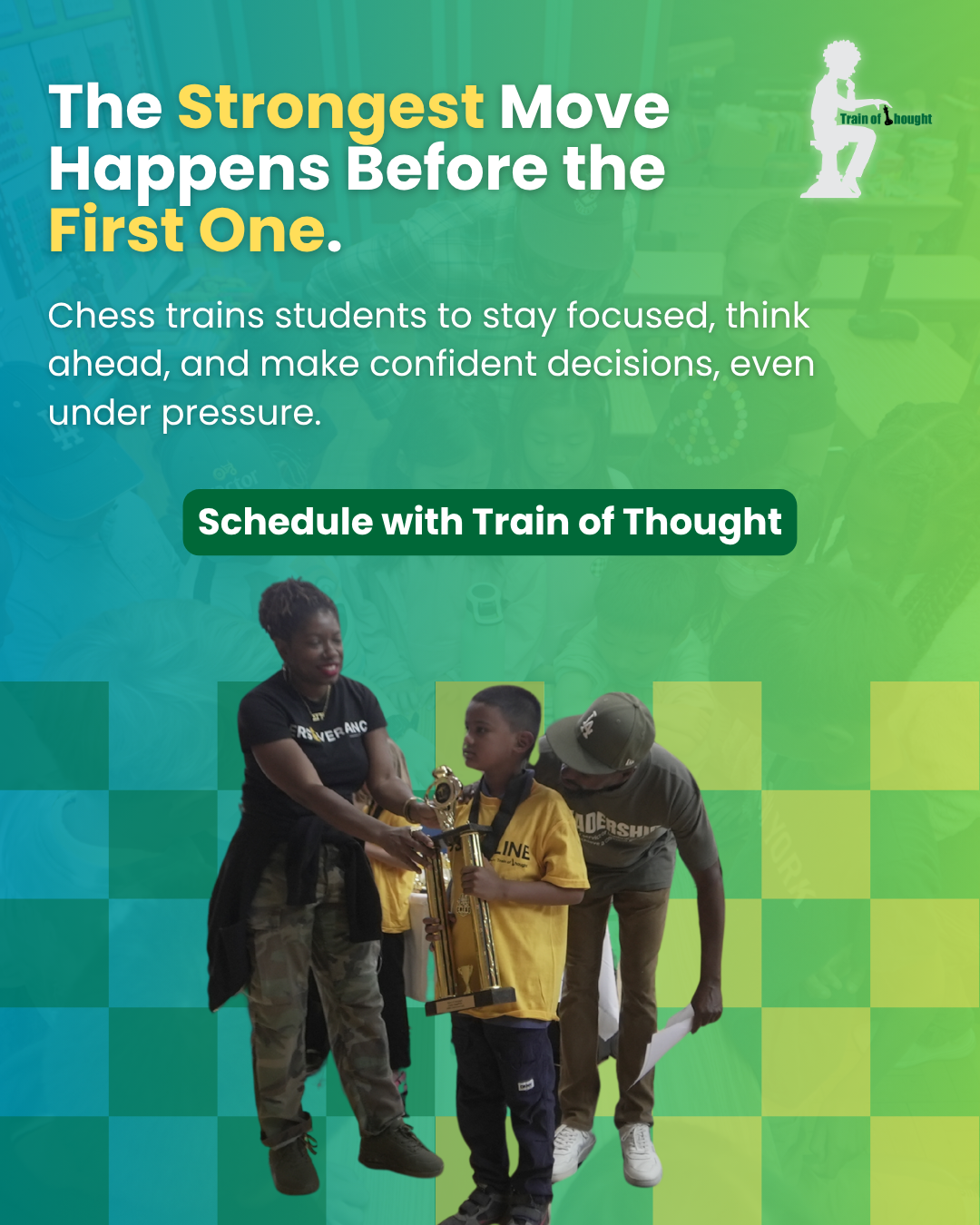
Back-to-school season can feel like a scramble to prepare students for a fresh start. Yet, boosting student focus and leadership isn’t just about supplies or schedules—it takes the right tools. Chess education offers a proven path to sharpen executive function and build critical thinking skills that last all year. See how Train of Thought’s K-12 chess program creates confident learners ready to lead from day one. Learn more about the benefits of chess in building young minds here.
Chess Education for Back-to-School Readiness
As students gear up for a new school year, chess education stands out as a transformative tool to prepare them for academic success. It enhances focus, sharpens executive function, and nurtures leadership skills, setting the stage for a productive year.
Boosting Student Focus
Chess demands concentration. Each move requires careful thought, helping students develop laser-like focus that can be transferred to any subject. Imagine a student who once struggled to pay attention, now fully engaged in a math problem, drawing on skills learned from chess. This focus helps students ignore distractions and stay on task, leading to better classroom performance.
Regular chess practice trains the brain to filter out noise and prioritize tasks. Students learn to focus on what’s important, whether it’s solving a chess puzzle or completing a science project. This skill is crucial in today’s fast-paced world, where distractions are ever-present. By mastering the art of focus, students can improve their grades and confidence.
Enhancing Executive Function
Executive function is about planning, organizing, and executing tasks. Chess develops these skills by teaching students how to think ahead. They learn to visualize potential moves, consider consequences, and plan strategies. This mirrors real-life situations where planning and organization are key.
Chess encourages students to think critically and make decisions based on analysis rather than impulse. This skill translates beyond the chessboard, helping students manage their time and prioritize tasks in their daily lives. The earlier these skills are developed, the more equipped students will be to navigate academic and personal challenges.
Building Leadership Skills
Leadership is about making informed decisions and influencing others positively. Chess fosters these traits by encouraging strategic thinking and resilience. Students learn to adapt to changing scenarios, building confidence in their ability to lead.
By participating in chess, students gain valuable social skills. They learn the importance of patience, teamwork, and empathy. These are essential qualities for any leader. Chess provides a safe environment to practice and refine these skills, preparing students for leadership roles in school and beyond.
The Power of K-12 Chess Programs

Chess programs designed for K-12 students offer a structured way to harness the benefits of chess. They support cognitive development and classroom engagement, paving the way for academic achievement.
Critical Thinking and Cognitive Development
Chess is a mental workout that strengthens critical thinking and cognitive abilities. Students learn to evaluate positions and anticipate their opponents’ moves. This process enhances problem-solving skills and boosts brainpower.
Through chess, students develop the ability to analyze complex situations. They learn to identify patterns, which helps in subjects like math and science. These cognitive skills are crucial for academic success, providing a solid foundation for future learning.
Social Emotional Learning and Classroom Engagement
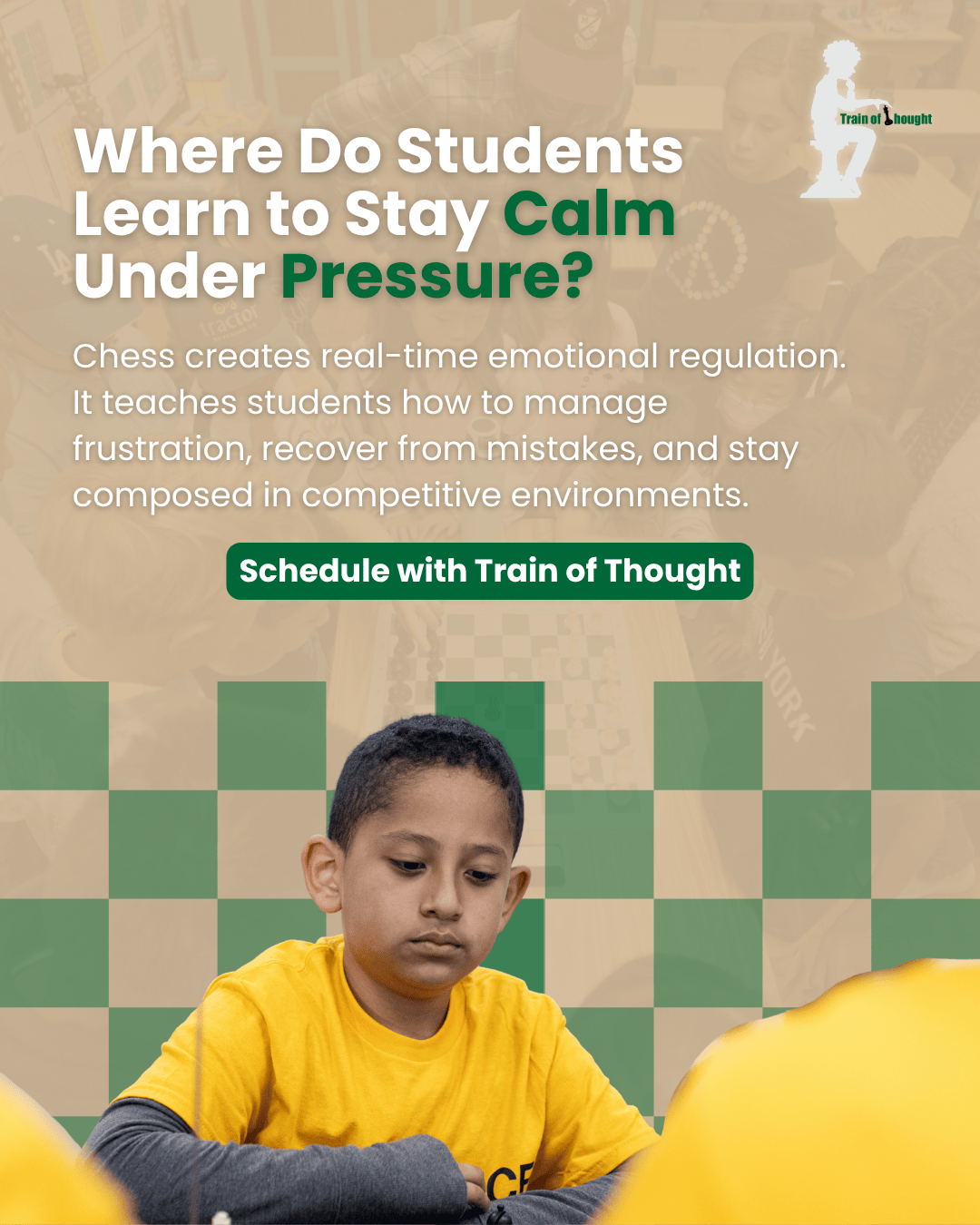
Chess supports social emotional learning by promoting self-regulation and emotional control. Students face wins and losses, learning to manage their emotions constructively. This resilience spills over into the classroom, where students become more engaged and willing to participate.
Chess also fosters an inclusive environment. Students from diverse backgrounds come together to play and learn from each other. This builds a sense of community and improves classroom dynamics. Teachers often notice that students become more cooperative and open-minded, qualities that enhance the overall learning experience.
Academic Achievement through Chess
Studies have shown that chess can lead to academic improvement. Students who play chess regularly often see a boost in their grades, particularly in math. Chess enhances logical reasoning and spatial skills, which are vital for academic success.
By integrating chess into the curriculum, schools can provide students with a unique opportunity to excel academically. Chess programs offer a structured approach to learning, with measurable benefits that extend beyond the classroom.
Community Impact and Partnerships
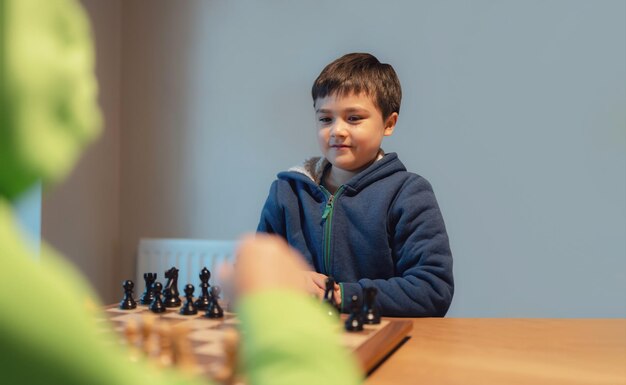
Train of Thought’s chess curriculum not only benefits students but also strengthens communities. By partnering with schools and organizations, Train of Thought brings chess education to a wider audience, making a lasting impact.
Train of Thought Chess Curriculum
The Train of Thought curriculum is designed to develop critical thinking and leadership skills. It combines traditional teaching with innovative strategies, engaging students and fostering lifelong learning. Schools that integrate this curriculum report positive changes in student behavior and academic performance.
Youth Leadership and After-School Chess
After-school chess programs offer a platform for youth leadership. Students learn to mentor their peers, leading by example and inspiring others. These programs create safe spaces for students to explore their interests and develop their potential.
Chess clubs provide opportunities for students to engage in healthy competition and build friendships. They learn the value of perseverance and sportsmanship, traits that serve them well in all areas of life.
School Partnerships and Teacher Professional Development 🎓♟️
Train of Thought partners with schools to offer professional development for teachers. This training equips educators with the skills to teach chess effectively, ensuring that students receive quality instruction. Schools benefit from a proven program that enhances student engagement and achievement.
By investing in teacher development, Train of Thought ensures that chess education is sustainable and impactful. Teachers gain confidence in their ability to integrate chess into the curriculum, creating a ripple effect that benefits the entire school community.
Frequently Asked Questions
How does chess improve focus in students?
Chess requires concentration on each move, teaching students to focus on tasks and block out distractions. This skill translates into better attention in the classroom.
Can chess really enhance academic performance?
Yes, studies show that chess can improve grades, especially in math. It enhances logical reasoning and spatial skills, which are crucial for academic success.
How does Train of Thought support teachers in implementing chess programs?
Train of Thought offers professional development for teachers, equipping them with the skills to teach chess effectively. This ensures that students receive quality instruction and that the program is sustainable.