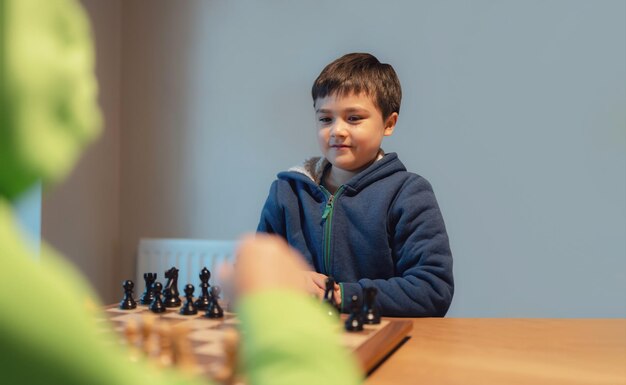
From Moves to Momentum: Using Chess Tournaments to Boost Student Engagement and Motivation
Chess tournaments for students do more than test moves—they spark motivation and deepen engagement in ways classrooms alone can’t. When students face real competition, their critical thinking skills sharpen, and leadership qualities emerge naturally. Train of Thought’s proven model shows how inclusive chess events become powerful student engagement strategies that inspire growth and confidence. Let’s explore how your school or community can make these benefits a reality for every child. Learn more.
Inspiring Student Engagement Through Chess

Chess isn’t just a board game; it’s a transformative tool that can engage students like never before. By participating in chess tournaments, students gain more than just rank. They develop skills that go beyond the classroom walls.
The Power of Chess Tournaments
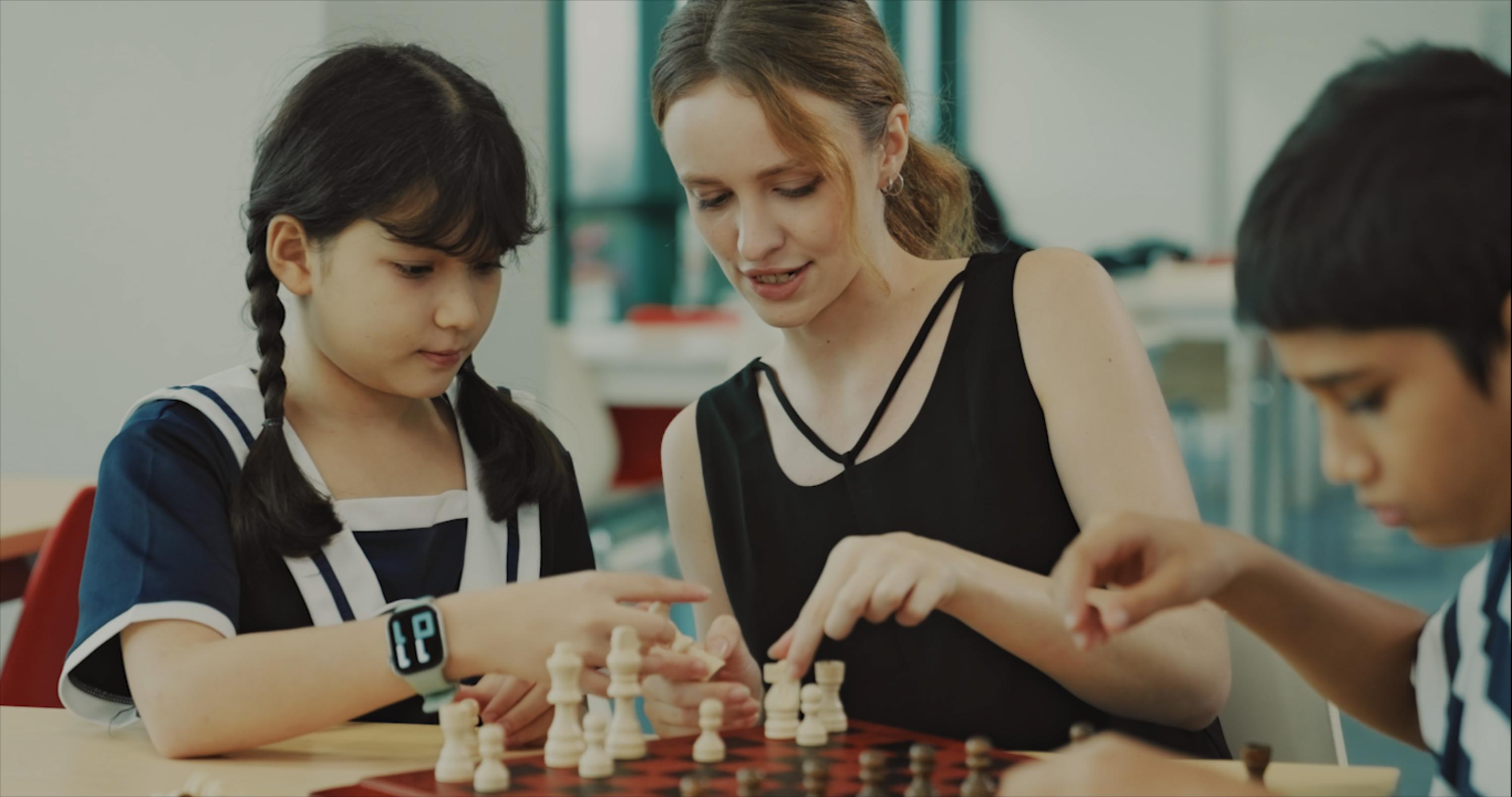
Imagine a room buzzing with the quiet intensity of focus. Students strategize, plan, and anticipate their opponent’s next move. This isn’t just a tournament; it’s a training ground for life skills. Chess tournaments for students create a unique environment where critical thinking and problem-solving are at the forefront. When students compete, they learn to think several steps ahead, a skill that translates directly to academic and personal success.
Here’s the key insight: By taking part in these tournaments, students build resilience. They learn that each move matters and that thinking ahead is crucial. This experience helps them understand the importance of planning, which is vital in both academia and life. Explore strategies for motivating students in chess.
Engaging Strategies in Chess Education
Schools can leverage chess as an educational tool to captivate students’ interest. By integrating chess into school programs, educators can offer a fresh way to teach critical thinking. Imagine a lesson where each pupil has the chance to lead their own learning journey. Chess provides this opportunity, allowing students to express their potential through strategic play.
Teachers can use chess to highlight patterns and strategic thinking. This not only makes lessons more exciting but also more relatable. Chess helps students see the direct impact of their decisions, fostering a deeper understanding of cause and effect. Learn how chess can teach resilience and coping skills.
Building Motivation and Leadership

Once students are engaged, the next step is building their motivation and leadership skills. Chess is a fantastic way to enhance these aspects, providing a platform for personal growth.
Leadership Through Chess Programs
Chess develops leaders by teaching students to manage their resources and think critically. With each game, students learn to evaluate their position and make informed decisions. This mirrors real-life leadership scenarios, where quick thinking and adaptability are key.
By leading a chess club or participating in a tournament, students practice decision-making. They learn to take responsibility for their actions, a hallmark of effective leadership. Chess also teaches the value of patience and perseverance. Students understand that success often requires persistence and dedication. Discover more about supporting a child in a chess tournament.
Motivation Through Chess Competitions
Competitions are a powerful motivator. They push students to hone their skills and strive for excellence. Participating in chess competitions offers students a sense of achievement and boosts their confidence. It’s not just about winning; it’s about the journey and the lessons learned along the way.
Students often surprise themselves with their capabilities. As they compete, they realize their potential to excel. This realization fosters a strong sense of self-belief and motivation to continue improving. Prepare and support your child in chess tournaments.
Fostering Community and Partnerships

Chess isn’t just for schools; it’s a community builder. It brings together students, families, and educators, creating a network of support and shared goals.
Creating Education Partnerships
Building partnerships with educational institutions and organizations can enhance the reach of chess programs. Schools can collaborate with local chess clubs or community groups to host events and workshops. This creates an enriched learning environment and provides students with more opportunities to explore their interests.
Such partnerships can also lead to shared resources and expertise, allowing schools to offer more comprehensive chess education. By connecting with other organizations, schools can expand their impact and foster a community invested in students’ growth.
Inclusive Chess Competitions for All 🎯
Inclusivity is key in creating a thriving chess community. Chess tournaments should be accessible to all students, regardless of their background or experience level. By hosting inclusive events, schools and community groups can ensure that every student has the opportunity to participate and learn.
Inclusive chess competitions promote a sense of belonging and community. They encourage students to support one another and celebrate each other’s achievements. This atmosphere of inclusivity fosters a love for chess and helps students develop essential social skills.
In summary, chess tournaments for students offer a dynamic way to boost engagement and motivation. By incorporating chess into educational programs and fostering community partnerships, schools can provide students with invaluable experiences that sharpen their minds and build their confidence. Let’s make these benefits a reality for every child.