Integrating Chess into School Curricula: Unlocking Student Potential Through Strategic Play
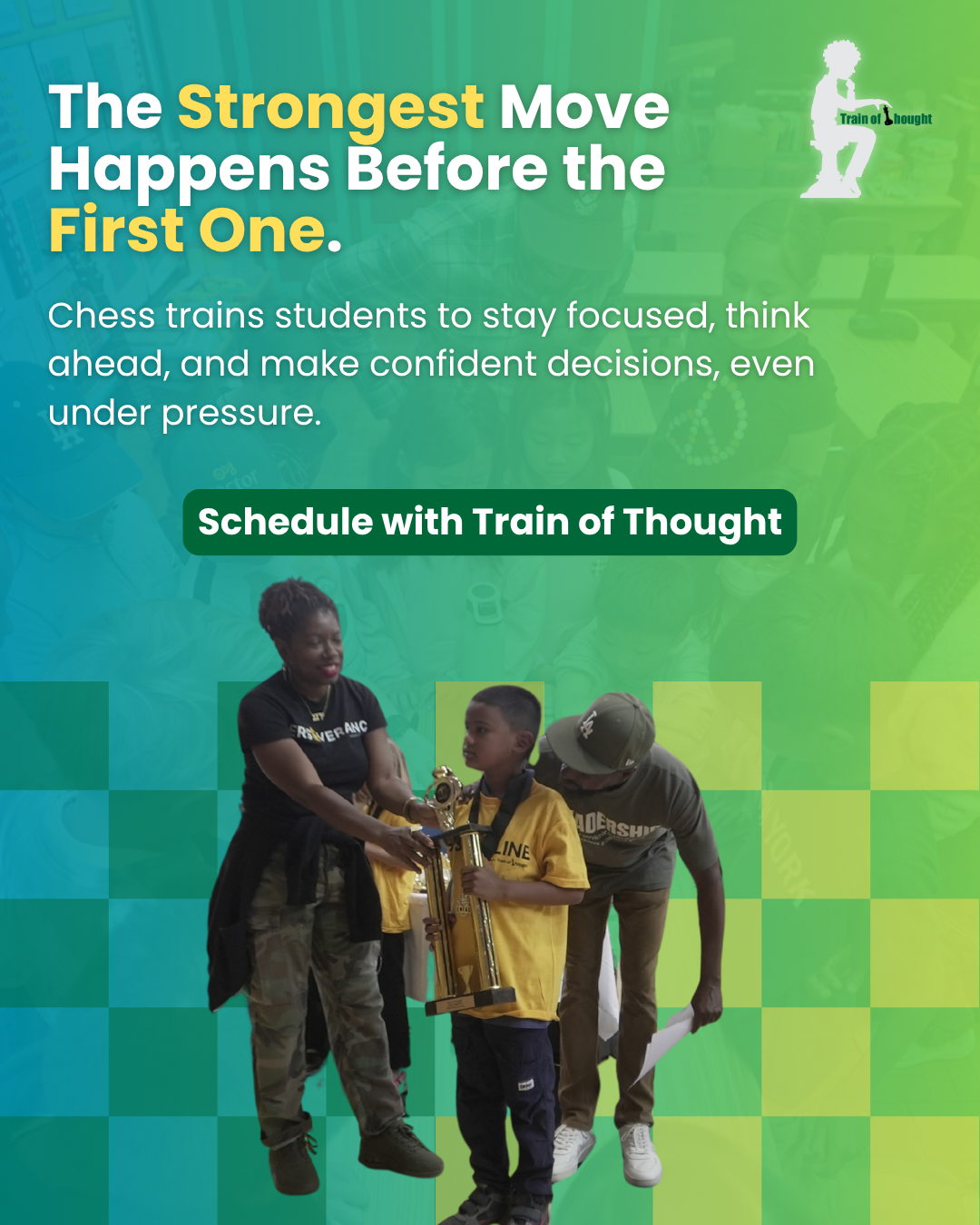
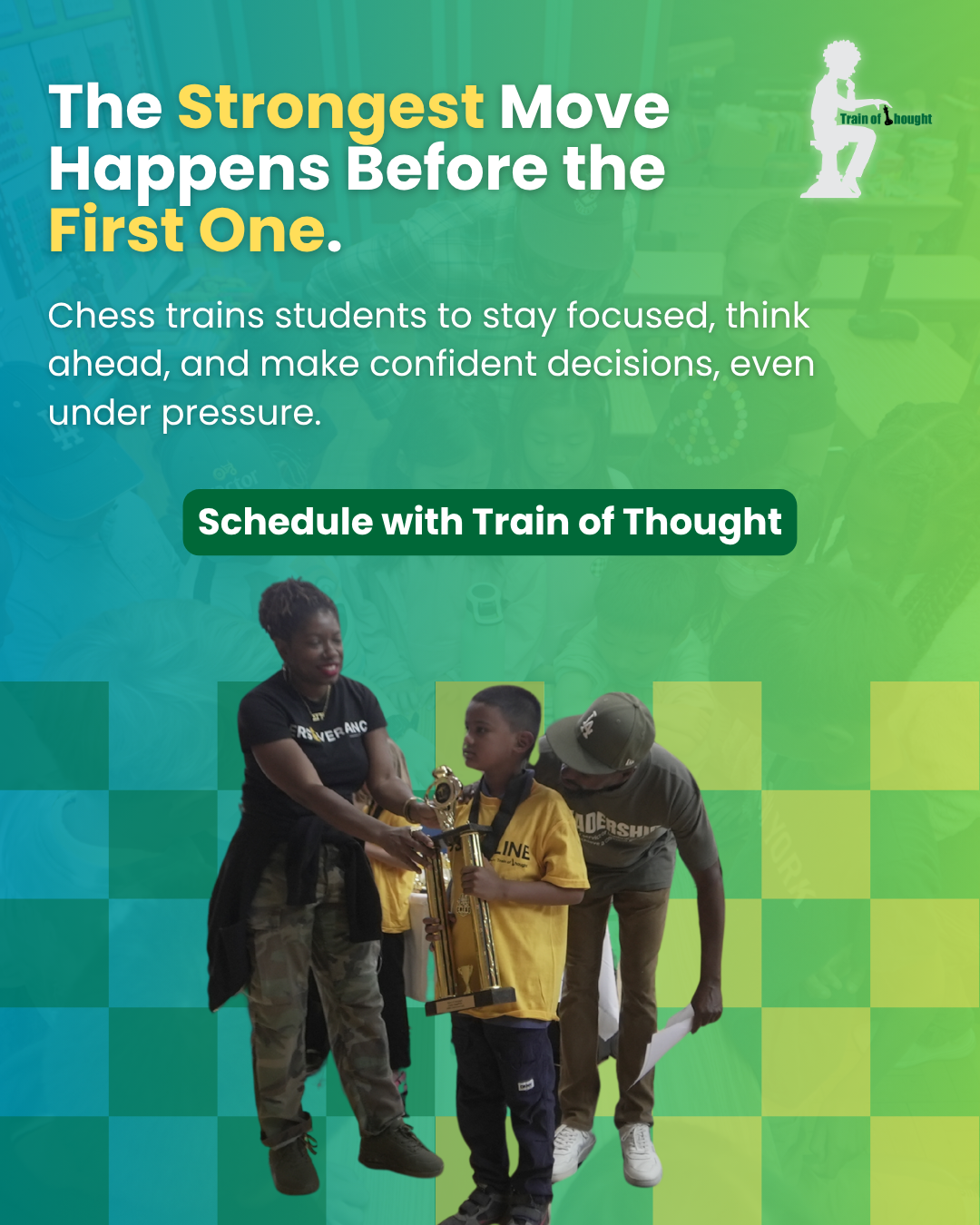
Integrating chess into curriculum isn’t just about adding another activity to the school day. It’s about giving students a tool that sharpens critical thinking skills, builds leadership, and sparks classroom engagement in ways textbooks often can’t. When you bring a K-12 chess program like Train of Thought’s into your school, you open doors to measurable growth and a stronger community. Ready to see how strategic play can shape your students’ futures? Learn more about the benefits of chess in education here.
Chess in Education: A Strategic Approach

Introducing chess into education breathes life into traditional learning. Imagine students eagerly strategizing, critical thinking skills honed with each move. This isn’t just a game; it’s a toolkit for life.
Enhancing Critical Thinking Skills
Chess is a powerful tool for developing critical thinking. Each move requires analysis, foresight, and problem-solving. Students aren’t just moving pieces; they’re engaging their minds to navigate complex scenarios. Studies reveal that students playing chess improve their analytical skills by up to 17.3% annually. This translates into better performance in subjects like math and science, where strategic thinking is crucial.
For example, consider a chess puzzle where a student must decide between various moves. The process of weighing options develops cognitive abilities. This skill is transferable to real-life decisions, making chess a valuable addition to the curriculum.
Fostering Leadership Through Chess
Leadership isn’t just about being in charge; it’s about making strategic decisions and guiding others. Chess mirrors this by teaching students to think several steps ahead. Playing chess fosters traits like discipline and perseverance, essential for any leader.
In a classroom setting, students take turns leading a group in solving chess problems. This shared responsibility builds confidence and teamwork. As students navigate challenges, they learn to lead with empathy and strategic insight.
Boosting Classroom Engagement
Imagine a classroom buzzing with excitement as students engage in a chess match. Chess captivates students, making learning enjoyable. Classroom engagement soars when students are eager to participate.
Teachers report that incorporating chess into lessons leads to improved focus and participation. Students who might struggle with traditional subjects find joy in chess, creating a more inclusive and dynamic classroom environment.
Integrating Chess into Curriculum

Integrating chess into the curriculum isn’t just an enhancement; it’s a transformation. You’ll find that chess complements various subjects, offering tangible benefits that align with educational goals.
K-12 Chess Program Essentials
A well-structured K-12 chess program is the backbone of successful integration. It includes regular sessions, resources, and support for educators. Programs like Train of Thought provide comprehensive curriculums, ensuring students gain maximum benefit.
Teachers are equipped with tools and strategies to incorporate chess into daily lessons. This seamless integration turns chess into a core learning component, enhancing students’ educational experiences.
Social-Emotional Learning Benefits
Chess goes beyond academics. It plays a pivotal role in social-emotional learning. As students navigate the game, they learn about sportsmanship, patience, and resilience. These lessons extend beyond the classroom, shaping well-rounded individuals.
Programs focus on building emotional intelligence through chess. Students learn to manage frustration, celebrate victories gracefully, and support peers, creating a positive school culture.
Aligning with Common Core Standards
Chess aligns effortlessly with Common Core Standards. It enhances critical thinking, problem-solving, and logical reasoning—skills emphasized in these standards. By integrating chess, schools meet educational benchmarks while offering a unique learning experience.
Educators are discovering that chess not only aligns with but also enriches Common Core objectives. This alignment ensures students are prepared for academic challenges, fostering a growth mindset.
Building Community with After-School Chess

After-school chess programs offer more than just a place to play; they build community. They provide a space where students from diverse backgrounds unite, fostering a sense of belonging.
Engaging Title I Schools
Title I schools often face unique challenges. Chess programs offer a cost-effective solution to enhance educational outcomes. By engaging students in chess, these schools see improvements in academic performance and student morale.
Chess in Title I schools not only boosts academic success but also provides a safe, supportive environment. Students develop friendships and networks that extend beyond school walls, strengthening the community.
Promoting Educational Equity
Chess is an equalizer. It’s a game where everyone can compete on a leveled playing field, regardless of their background. Promoting chess in schools ensures all students have access to its benefits, supporting educational equity.
Schools that promote chess see a significant impact on student achievement. By providing resources and support, they create opportunities for all students to succeed, fostering a culture of inclusivity.
Developing Youth Through Strategic Play
Chess is more than a game; it’s a developmental tool. Students learn to think strategically, plan ahead, and adapt to new challenges. These skills are crucial for success in school and life.
By developing a chess culture, schools empower students to realize their potential. Educators and administrators play a key role in this transformation, championing chess as a tool for youth development.
🎓♟️🏫
By embracing chess in education, you’re not just teaching a game; you’re shaping futures. With its proven benefits in critical thinking, leadership, and engagement, chess is an invaluable addition to any school curriculum.