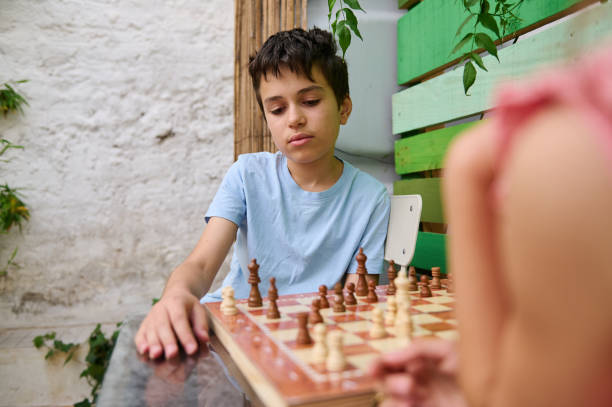
Moves That Matter: How Chess Builds Social-Emotional Skills and Sparks Student Motivation
Chess is more than a game; it’s a powerful way to build social-emotional skills that help students thrive. When kids engage with chess and social emotional learning, they develop self-regulation skills, responsible decision-making, and stronger relationship skills in the classroom. At Train of Thought, we’ve seen firsthand how these moves boost student motivation and confidence, turning classrooms into supportive communities where every child can grow. Ready to see how chess can spark positive change for your students?
Building Social-Emotional Skills with Chess

Chess is more than just a game. It transforms classrooms into thriving communities. Kids learn to connect with each other, discovering the power of teamwork and empathy. Let’s explore how this board game enhances essential skills for students’ growth.
Enhancing Relationship Skills in Classrooms
Imagine a classroom where every student feels connected. Chess makes this possible by encouraging collaboration. Students work together to solve challenges, building relationship skills in the classroom. They learn to communicate, share ideas, and see from each other’s perspectives.
Playing chess also helps students understand the importance of patience and respect. When waiting for their turn, they learn self-control. By respecting their opponents, they gain insights into sportsmanship. These lessons go beyond the board, impacting interactions in daily life.
Chess also opens doors to diversity. In a game, students from different backgrounds come together. They learn to appreciate various strategies and viewpoints. The game becomes a mirror of the world, showing how diversity strengthens communities.
Self-Regulation Skills Through Strategic Play
Chess teaches kids to think before they act. Through strategic play, they develop self-regulation skills, crucial for personal growth. Every move requires careful thought, helping students to pause and reflect.
Consider a student planning their next chess move. They’re practicing decision-making, weighing pros and cons. This skill transfers to real-life situations, preparing them for responsible choices.
Moreover, chess demands focus. Students must concentrate, ignoring distractions. This focus boosts attention spans, enhancing their ability to learn in class. As they improve, their confidence grows, paving the way for better academic performance.
Sparking Student Motivation

Chess isn’t just educational—it’s exciting. The thrill of the game keeps students engaged, fueling their desire to learn. By fostering a love for the game, we inspire a lifelong passion for learning.
Growth Mindset for Students
Chess challenges students, but it also rewards perseverance. Through setbacks, they learn resilience, cultivating a growth mindset for students. They realize that mistakes are stepping stones to success—an essential lesson in life.
When students approach challenges with optimism, they’re more likely to succeed. Chess teaches them that effort leads to improvement. This mindset encourages them to tackle new subjects with confidence.
With each game, students set goals and celebrate achievements. These small victories build a foundation of success, motivating them to aim higher. The skills they gain in chess become assets in academic and personal endeavors.
Boosting Student Confidence Building
Confidence is key to success, and chess is a powerful confidence booster. As students master the game, they see their abilities grow. This newfound confidence spills into other areas, enhancing their school experience.
Participation in chess tournaments gives students a sense of achievement. Winning isn’t the only measure of success. Competing helps them overcome fear, showing that trying is just as valuable.
Chess also encourages leadership. Students take on roles, guiding peers and making strategic decisions. These experiences build leadership qualities, preparing them for future challenges. The longer they play, the stronger their self-belief becomes.
Train of Thought’s Impact and Partnerships
Train of Thought has made a significant difference in countless students’ lives. Our programs empower youth, fostering skills that last a lifetime. Let’s explore how our community partnerships amplify this impact.
Successful Youth Development Programs
Our youth programs have reached over 150,000 K-12 students. Through strategic play, we’ve sparked critical thinking and leadership skills. These programs have become a beacon of hope for young minds.
Our partnerships with local schools ensure that chess is accessible to all. We’ve collaborated with educators to integrate chess into curricula, enhancing SEL in schools. These efforts create a supportive environment where students can flourish.
Data from our programs show a marked improvement in cognitive abilities. Students who participate display higher test scores and improved behavior. This success story speaks volumes about the power of chess in education.
Community Engagement and Support Opportunities
Community is at the heart of Train of Thought. We believe in bringing people together to support youth development. Our events and initiatives offer ways to get involved and make a difference.
Through community outreach, we engage parents, educators, and organizations. By sharing our mission, we invite others to join our journey. Together, we create opportunities for students to excel.
Support from donors and partners enables us to expand our reach. With their help, we provide resources and training to schools, ensuring every student has the chance to benefit from chess. Our community is growing, and with it, the potential for lasting change.
In conclusion, chess offers more than just a game. It builds essential skills, motivates students, and fosters a sense of community. At Train of Thought, we’re proud to lead this movement, helping students discover their greatness through chess.







