From Moves to Mindsets: Why Chess Transforms Children’s Thinking and Character
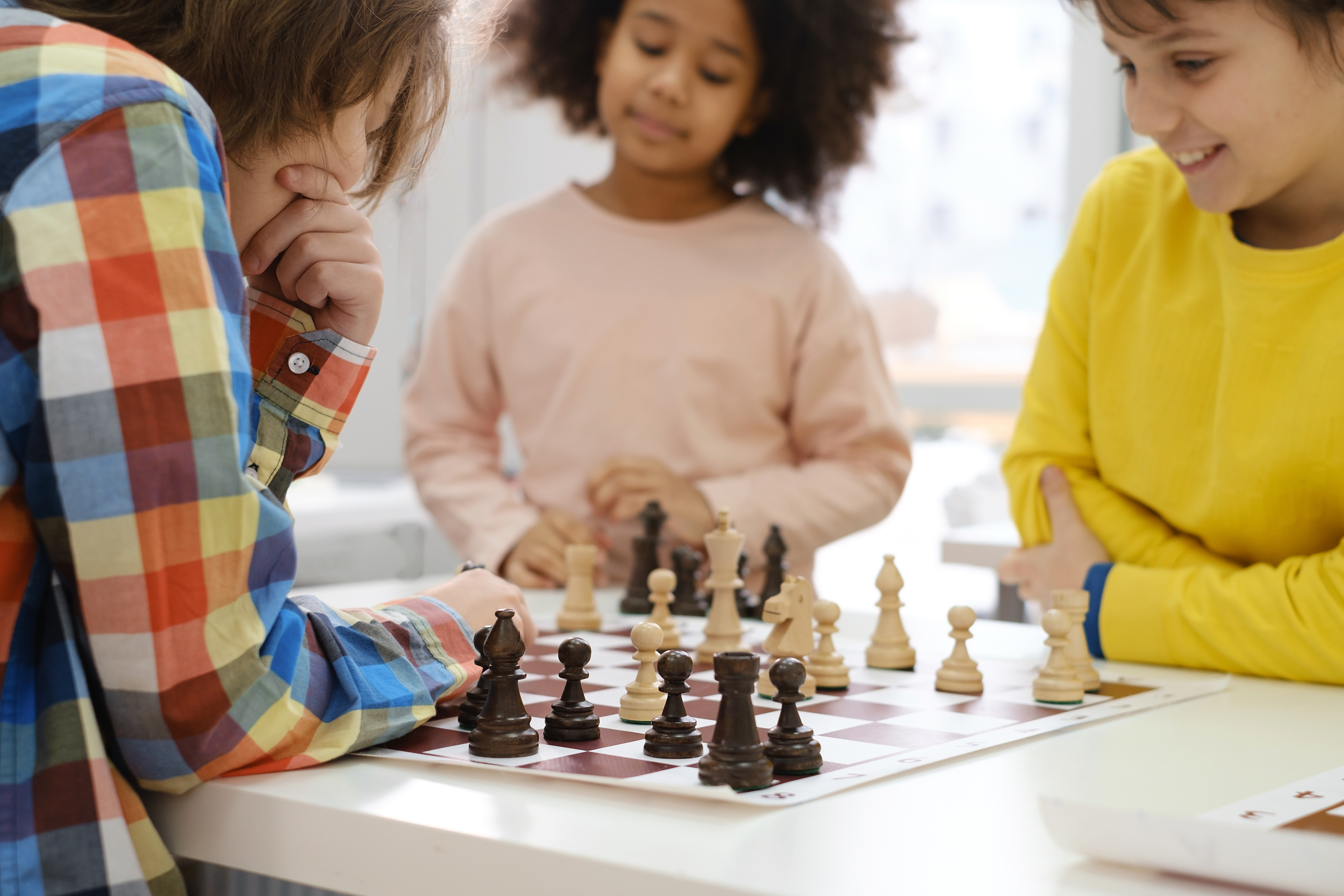
Chess education for kids is often seen as just a fun pastime, but it shapes far more than moves on a board. It builds critical thinking skills for students, sharpens executive function, and cultivates leadership qualities that last a lifetime. At Train of Thought, we’ve seen firsthand how a school chess curriculum transforms young minds and characters, especially in underserved communities. Ready to explore how chess can change your child’s future? Find out more here.
Chess and Cognitive Growth

Chess isn’t just a game; it’s a powerful tool that sharpens young minds. By engaging students in strategic play, it enhances their thinking abilities and prepares them for real-world challenges.
Building Critical Thinking Skills
Imagine your child evaluating multiple choices, predicting outcomes, and making informed decisions. That’s what chess does. It teaches kids to think before they act, fostering critical thinking. Research shows that students who play chess experience a 17.3% increase in analytical skills annually. This isn’t just a number; it’s a transformative skill that sets them apart in the classroom and beyond. Chess encourages kids to examine each move closely, weighing the pros and cons. It’s like having a mental gym where their brains get stronger with each game. Most people think chess is just about winning or losing, but it’s about learning to think critically.
Executive Function Development in Action
Executive function is about self-control, memory, and flexibility. Chess pushes kids to use these skills in every match. Picture a student planning a strategy, remembering past moves, and adapting to new challenges on the board. This practice enhances their executive function. They’re not just playing; they’re learning to focus and manage their thoughts. These skills spill over into their academic work, helping them concentrate on tasks and manage their time effectively.
Strategic Thinking for Children
Chess is all about strategy. It teaches kids to plan ahead and think several steps forward. This isn’t just useful for the game; it’s a skill that benefits them in life. Whether it’s solving a math problem or planning a project, strategic thinking helps them tackle challenges with confidence. Students learn to anticipate their opponent’s moves, which translates into better foresight in their daily lives. Chess makes them proactive thinkers, ready to face any surprise that comes their way.
Character and Leadership Development

Chess builds character and leadership qualities in young minds. It’s more than a game; it’s a path to personal growth and resilience.
Leadership Through Chess
Chess teaches leadership by encouraging kids to make decisions and lead their games. As they advance, they gain confidence in their ability to guide themselves and others. This self-reliance is a cornerstone of leadership. They learn to inspire others with their strategic insights and decision-making prowess. The longer they play, the more they see themselves as leaders, both on and off the board.
Character Education Through Play
Playing chess instills values like patience, perseverance, and respect. It teaches kids to handle wins and losses gracefully. They learn that every move counts and that setbacks are just steps toward improvement. These lessons in character are invaluable, shaping them into well-rounded individuals. Chess becomes a metaphor for life’s challenges, teaching resilience and the importance of continuous growth.
Student Focus and Resilience
Chess demands focus and resilience from its players. It teaches students to concentrate deeply and bounce back from mistakes. This resilience is crucial in academics and life. When faced with tough situations, they draw on their chess experience, knowing they can overcome obstacles with determination and focus. Chess cultivates a mindset that thrives on challenges and persists in the face of adversity.
Community Engagement and Access

Chess can bridge gaps and foster community engagement, providing access to educational opportunities for all.
K-12 Chess Program Initiatives
Train of Thought’s K-12 programs bring chess to classrooms, enriching students’ lives. Our initiatives provide structured lessons that align with educational standards. These programs aren’t just extracurricular activities; they’re integral parts of learning that support academic growth. By integrating chess into the curriculum, schools offer students an engaging way to develop essential skills.
Supporting Underserved Communities
In underserved communities, chess becomes a beacon of hope. It offers students a chance to excel, regardless of their background. Our programs focus on providing access to quality chess education, ensuring every child can benefit from its cognitive and character-building advantages. By leveling the playing field, we empower students to realize their potential and pursue their dreams.
Educational Partnerships and Opportunities
Partnerships with schools and community organizations amplify our impact. Together, we create opportunities for students to learn and grow. These collaborations open doors to resources and support, enhancing the educational experience. By building strong networks, we ensure that chess reaches every corner, inspiring students to reach new heights.
With chess as our tool, we unlock potential, build character, and transform communities. The journey doesn’t end here; it continues with each move on the board. Join us in making a difference, one chess game at a time.







