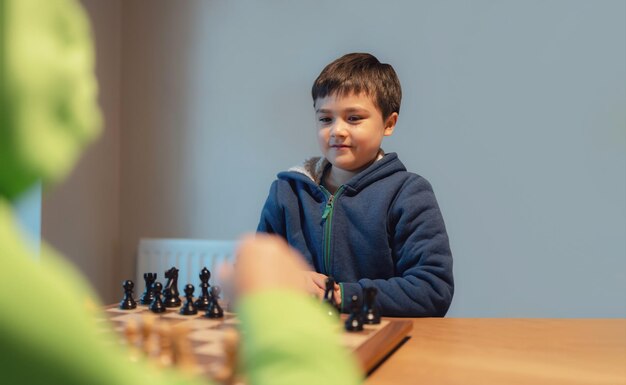
Strategic Moves: Integrating Chess into K–12 Curriculum for Holistic Development
Most schools struggle to find tools that build critical thinking skills and leadership at once. Chess in education offers a unique path to holistic student development by weaving strategic thinking into everyday lessons. In this post, you’ll learn practical ways to bring a K-12 chess curriculum into your classrooms and school culture—backed by proven methods from Train of Thought’s trusted model. Learn more here.
Benefits of Chess in Education

Let’s explore how chess can transform the educational experience, offering more than just a game. It becomes a tool for growth, honing critical skills and fostering a positive school environment.
Enhancing Critical Thinking Skills
Chess is a remarkable way to sharpen critical thinking skills. As students play, they learn to analyze positions, anticipate opponents’ moves, and plan strategies. These skills are transferable to academic subjects and real-life situations. A study highlighted in this article shows how chess players improve their ability to think ahead and solve problems, often outperforming peers in these areas. Imagine your students applying these skills in their daily lives, navigating challenges with confidence and precision.
Boosting Social-Emotional Learning
Chess isn’t just about intellect; it also nurtures emotional intelligence. Players practice patience, resilience, and empathy. They learn from wins and losses, which builds a growth mindset essential for personal development. According to the CASEL framework, these social-emotional competencies are vital for student success. Envision a classroom where students support each other, learning from shared experiences and celebrating collective progress.
Promoting Cognitive Development
Research supports chess as a catalyst for cognitive growth. It enhances memory, concentration, and pattern recognition. Students who play chess regularly often show marked improvements in these areas, evidenced by studies like those at Dalton School. These enhancements lead to better academic performance and increased engagement with learning. Consider the impact of students who approach challenges with sharpened minds, ready to tackle any subject with enthusiasm.
Strategies for Chess Curriculum Integration

Integrating chess into the curriculum requires careful planning and alignment with educational standards. Here’s how you can seamlessly introduce this powerful tool into your school.
Aligning with Common Core Standards
Bringing chess into your curriculum aligns well with Common Core Standards. By incorporating chess lessons, you can meet standards in mathematics, science, and language arts. The structured nature of chess helps students develop logical reasoning and problem-solving skills, which are critical components of these standards. Teachers can use resources like this guide to align chess activities with classroom goals, ensuring students gain maximum benefit from their learning experiences.
Cross-Curricular Strategies for Holistic Development
Chess can be integrated across subjects to support holistic development. For instance, math teachers can use chess to teach geometry and probability, while language arts instructors might explore strategy-based storytelling. By weaving chess into different subjects, educators create a more engaging and interconnected learning environment. Imagine students excitedly discussing how chess strategies apply to historical battles or scientific discoveries, enhancing both engagement and comprehension.
Project-Based Learning and Chess
Project-based learning offers a dynamic way to teach chess. Students might design their chess boards, create game rules, or even code a digital chess game. This approach not only reinforces chess skills but also encourages creativity and collaboration. Consider the excitement of students presenting their projects, showcasing their understanding of chess and its broader applications. This method fosters a sense of accomplishment and real-world readiness.
Building a Supportive School Culture

A supportive school culture is key to maximizing the benefits of chess education. Here’s how you can foster an environment where chess thrives.
Professional Development for Teachers
Teachers are crucial to the success of any curriculum. Offering professional development in chess education ensures they have the skills and confidence to teach chess effectively. Workshops and training sessions can equip educators with strategies to integrate chess into their teaching practices. Picture a team of teachers, inspired and ready to lead their students through the strategic world of chess, creating a ripple effect of enthusiasm and learning.
Engaging After-School Chess Programs
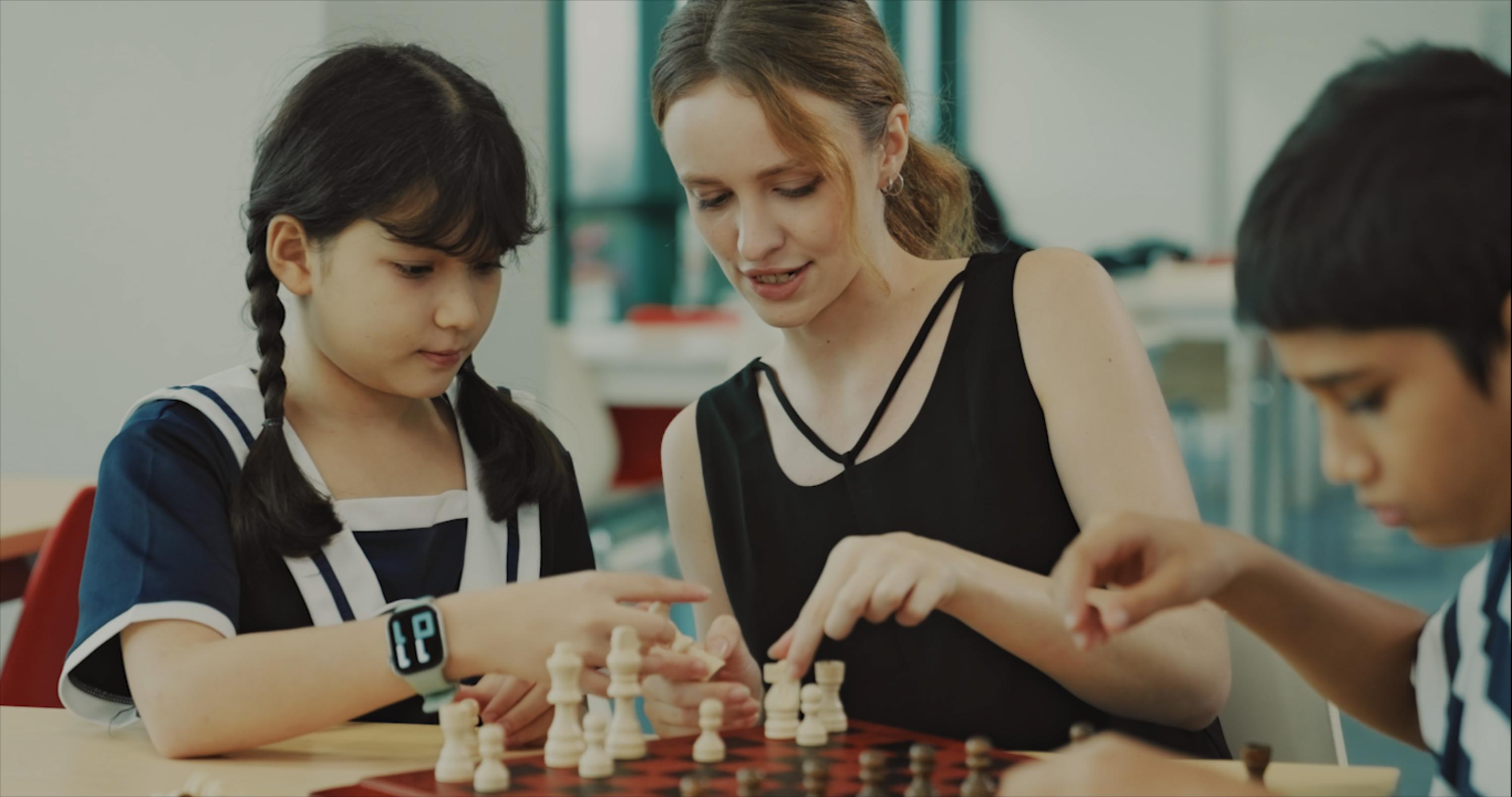
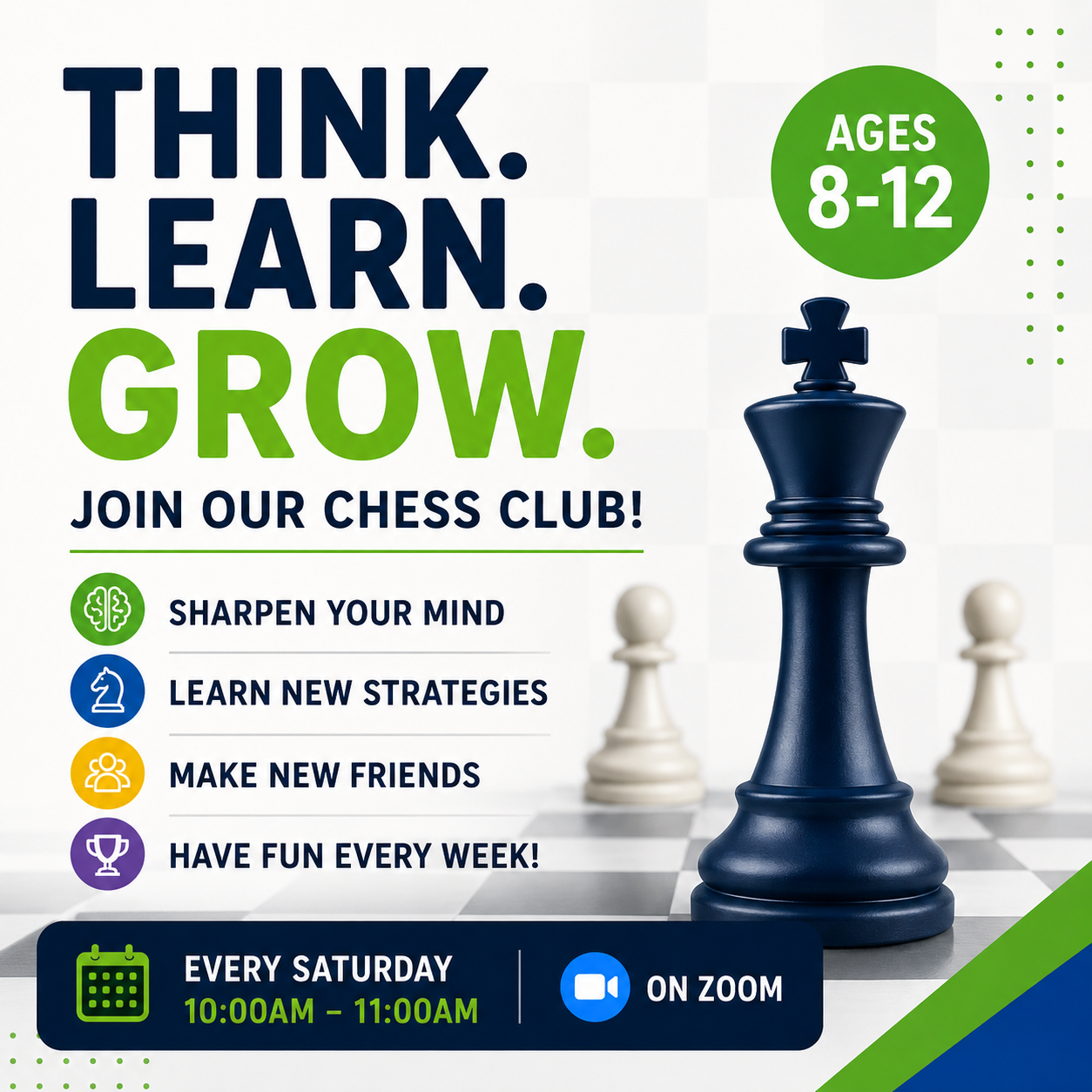
After-school chess programs provide a fun and educational space for students to deepen their skills. These programs can cater to different skill levels, ensuring all students feel challenged and supported. By participating in these programs, students can enjoy the social benefits of chess, forging friendships and building community. Imagine a bustling chess club where students eagerly gather to play, learn, and grow together.
Partnerships for Equity and Inclusion in Education
Building partnerships with local organizations can enhance the reach and impact of your chess program. Collaborating with community groups ensures accessibility for all students, including those from underserved backgrounds. Such partnerships can provide resources, support, and expertise, helping to create an inclusive chess culture. Visualize a diverse group of students, united by their love of chess, learning from and supporting each other in a welcoming environment.
🎯📚♟️
By integrating chess into education, you empower students, enrich learning experiences, and foster a community of strategic thinkers. Join the movement to bring chess into every classroom, and watch your students thrive.