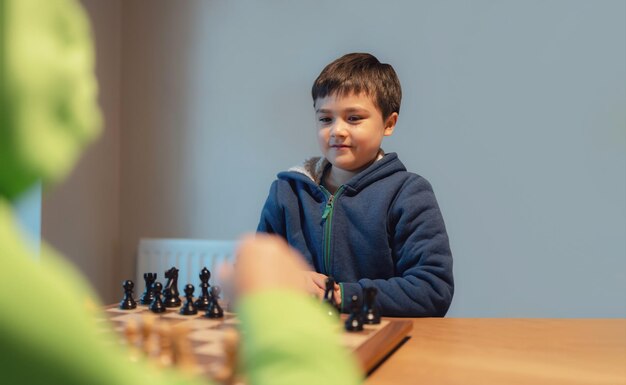
Move by Move: How Chess Powers Academic Growth and Character in K–12
Most K–12 enrichment programs promise academic gains but miss the mark on character growth. Chess education stands apart by building critical thinking skills while shaping leadership and social-emotional learning. At Train of Thought, we’ve seen how strategic thinking for students creates lasting impact—especially in underserved communities. Ready to see how chess moves can power your child’s or student’s success? Explore more about the impact of chess education here.
The Power of Chess in Education

Exploring the world of chess opens doors to more than just a game. It lays a foundation for critical thinking and academic success.
Building Critical Thinking Skills
Chess isn’t just a board game; it’s a mental workout that sharpens your mind. When students learn chess, they learn how to analyze complex problems. Each move requires thought, planning, and foresight. This hones their critical thinking skills.
Take the story of a seventh-grader who struggled with math. After joining a chess club, her ability to think several steps ahead improved. Her math skills followed suit, showing a 20% improvement in just one semester.
Students who play chess regularly develop stronger problem-solving abilities. They learn to evaluate options, predict outcomes, and make strategic choices. This kind of thinking translates into better decision-making in life beyond chess. With every game, they learn not just how to win, but how to think.
Enhancing Academic Achievement
The benefits of chess extend into the classroom. Studies show that students involved in chess programs often outperform peers in subjects like math and reading. Research confirms that chess players score higher on standardized tests.
In one study, students who played chess saw their test scores increase by up to 40% compared to non-players. The game builds executive function skills like memory, focus, and logical reasoning—key components of academic success.
Chess is a unique tool that levels the playing field, offering everyone—from gifted students to those struggling—a chance to succeed. It provides a structured environment where students can practice patience, persistence, and perseverance, all essential for academic growth.
Character and Leadership Development

Beyond academics, chess teaches valuable life lessons. It builds character and cultivates leadership skills in students.
Fostering Youth Leadership
Chess encourages students to take charge. As they play, they learn to lead themselves and others. They become proficient in assessing situations and making decisions that benefit the whole team.
Consider the story of a young student who became a leader at her school after participating in a chess program. She gained confidence and started a club, bringing together peers to learn and grow through the game. Her story is just one among many, showcasing how chess can inspire youth leadership.
Chess teaches important qualities like confidence, discipline, and decision-making. These skills help students become leaders in their communities, ready to tackle challenges with courage and clarity.
Promoting Social-Emotional Learning
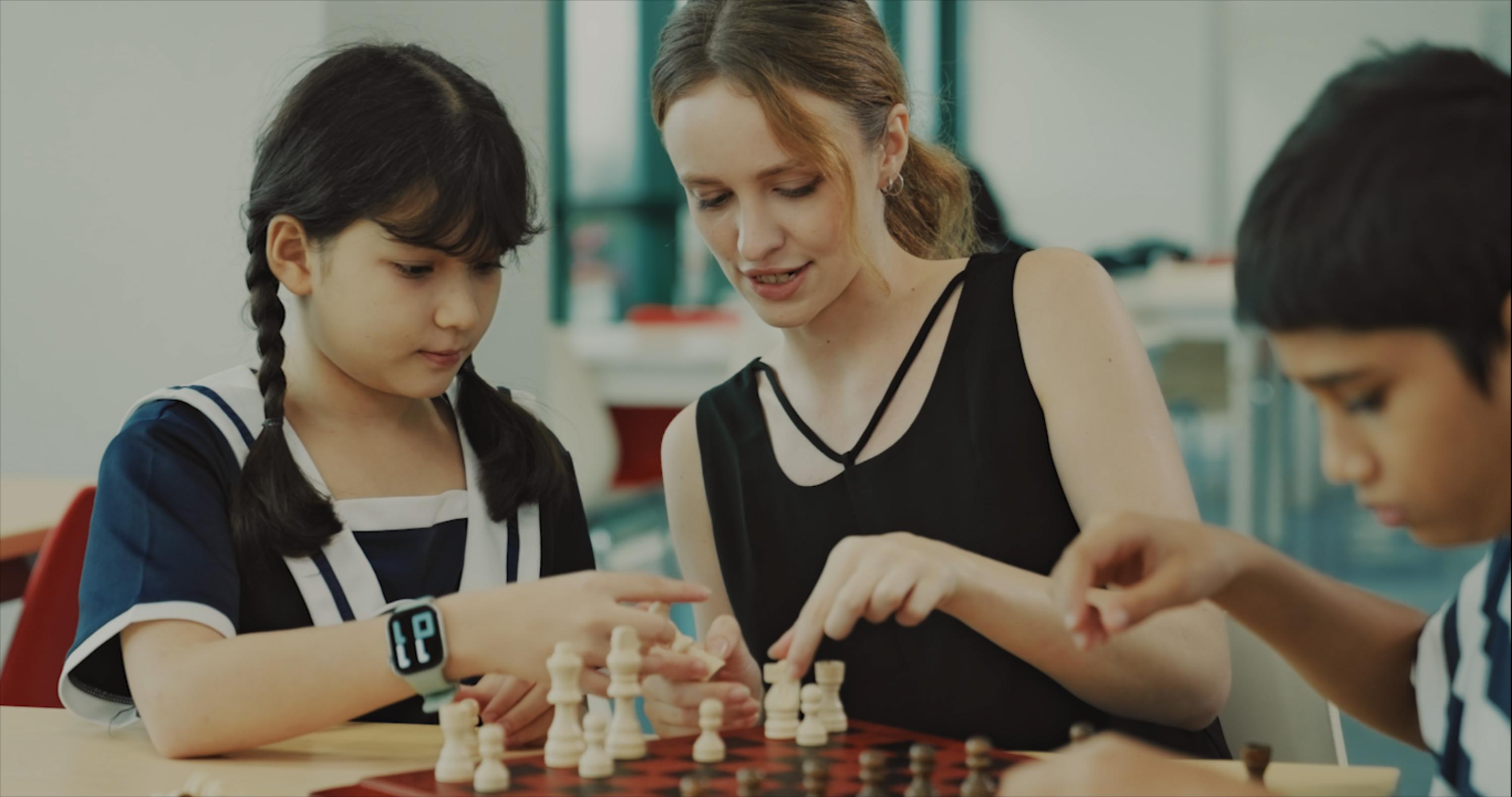
Chess is more than an individual pursuit; it’s a social game that teaches empathy and respect. Through playing, students develop social-emotional learning skills, understanding the importance of sportsmanship and collaboration.
Participating in chess clubs helps students build friendships and navigate social dynamics. They learn to celebrate wins with humility and handle losses with grace. These experiences foster emotional intelligence, crucial for personal and professional relationships.
Chess encourages students to see the world from different perspectives, promoting inclusivity and understanding. By playing chess, students learn to appreciate diverse strategies and viewpoints—skills that make them better citizens and leaders.
Bringing Chess to Your Community

Chess has the power to transform schools and communities. Its impact goes beyond individual success, offering a pathway to collective growth.
Engaging School Partnerships
Integrating chess into school programs can be a game-changer. Schools that partner with chess organizations see improved student engagement and performance. Teachers and administrators note the positive changes in students’ attitudes and academic results.
Building school partnerships involves creating a curriculum-aligned program that fits the school’s goals. Chess clubs, classes, and tournaments can become integral parts of school life, enriching the educational experience for students.
Supporting Underserved Communities
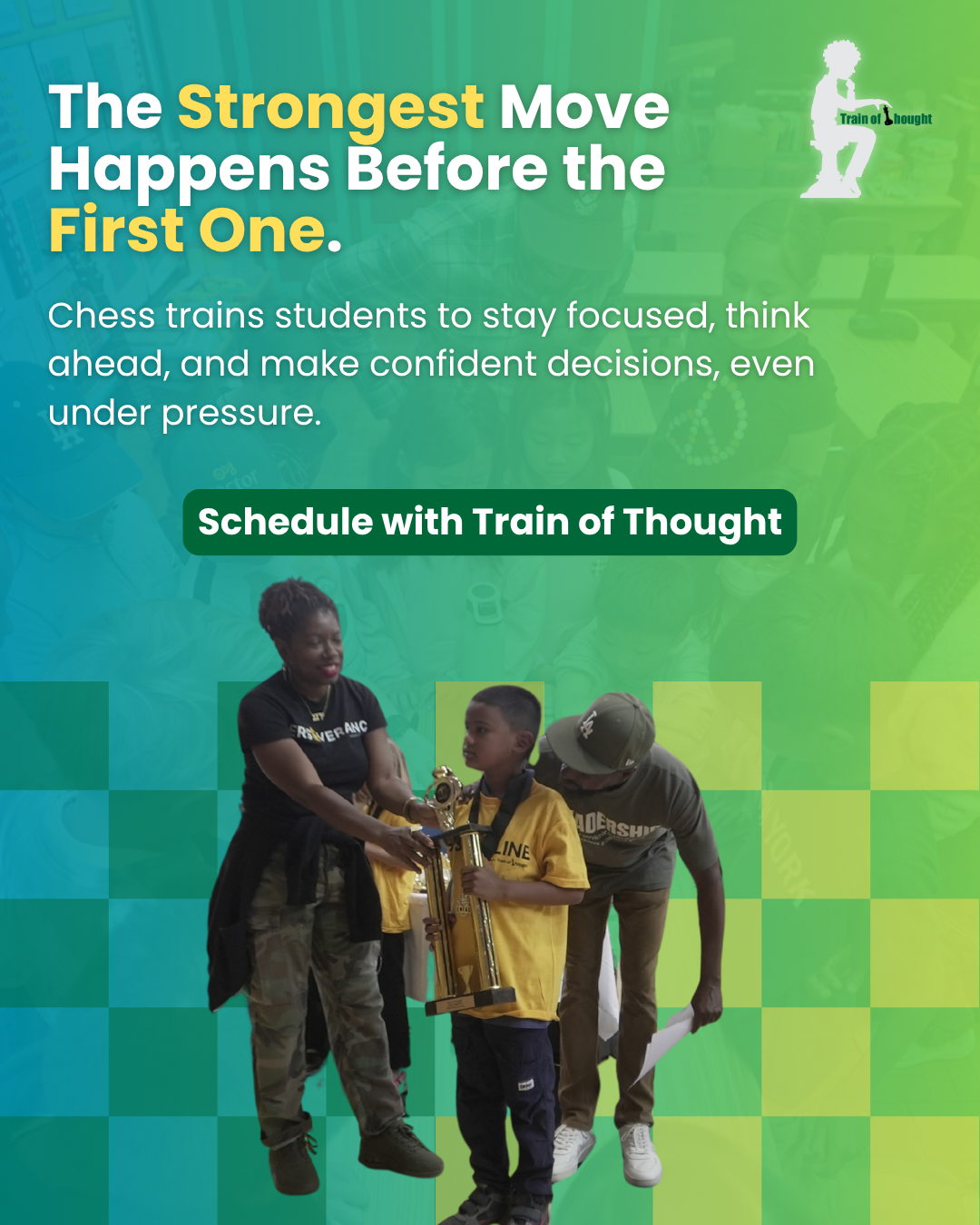
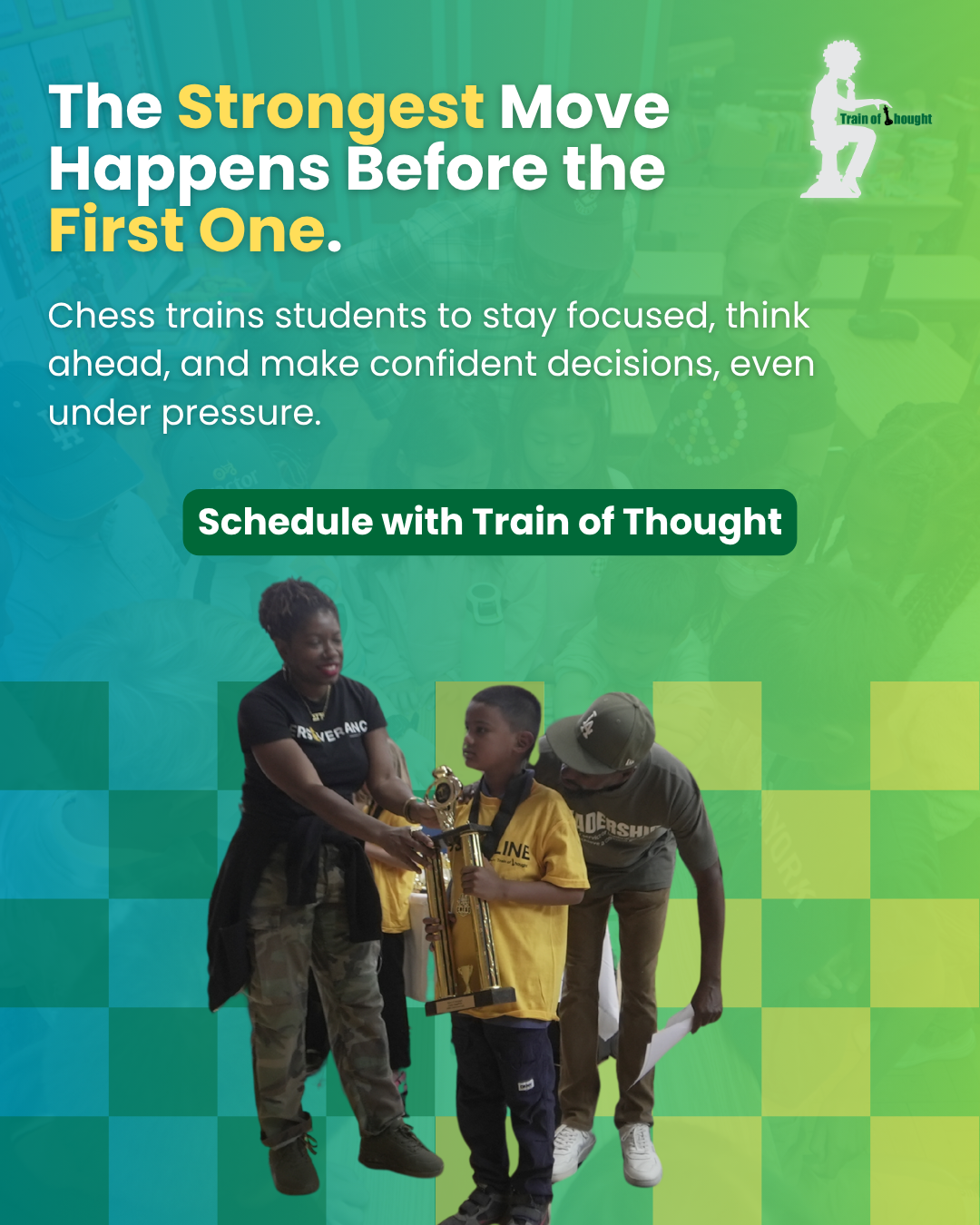
Chess can be a beacon of hope for underserved communities. It offers opportunities for personal development and community building. Programs like Train of Thought focus on bringing chess to areas where resources are limited.
In these communities, chess becomes a tool for empowerment, providing students with skills and confidence to succeed. By supporting chess programs, community members can help bridge gaps in education and opportunity, ensuring every student has a chance to thrive.
Bringing chess to your community can start with a conversation. Reach out to local schools, community centers, or chess organizations to explore how you can support and participate in these valuable programs. Together, we can make a difference, one move at a time.