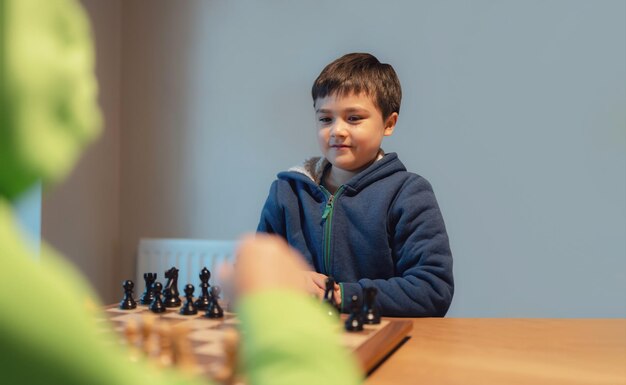
Beyond the Board: How Chess Strengthens Social and Emotional Learning for K–12 Students
Most people see chess as just a game, but it shapes much more than moves on a board. For K–12 students, chess is a powerful way to build social and emotional learning skills that schools often struggle to teach. From self-regulation and focus to resilience and empathy, the SEL benefits of chess go beyond critical thinking. Let’s explore how Train of Thought’s programs create confident, thoughtful leaders ready to thrive inside and outside the classroom. Learn more.
Chess as a Tool for SEL

Chess offers more than just a strategic pastime; it molds young minds in ways that textbooks can’t. Train of Thought’s programs leverage chess to nurture social and emotional learning in students, preparing them for life’s challenges.
Building Emotional Intelligence
Imagine your child learning to navigate emotions just by moving pieces on a board. Chess helps students manage their feelings as they experience wins and losses. It’s a game where every decision requires self-regulation.
-
Self-control is honed as players resist the urge to make impulsive moves.
-
Focus sharpens with each game, as the concentration required grows with every strategy formed.
One study found that students who played chess improved their ability to manage emotions by 20% compared to non-players. This skill transcends the board, aiding them in classrooms and beyond.
Developing Empathy and Sportsmanship
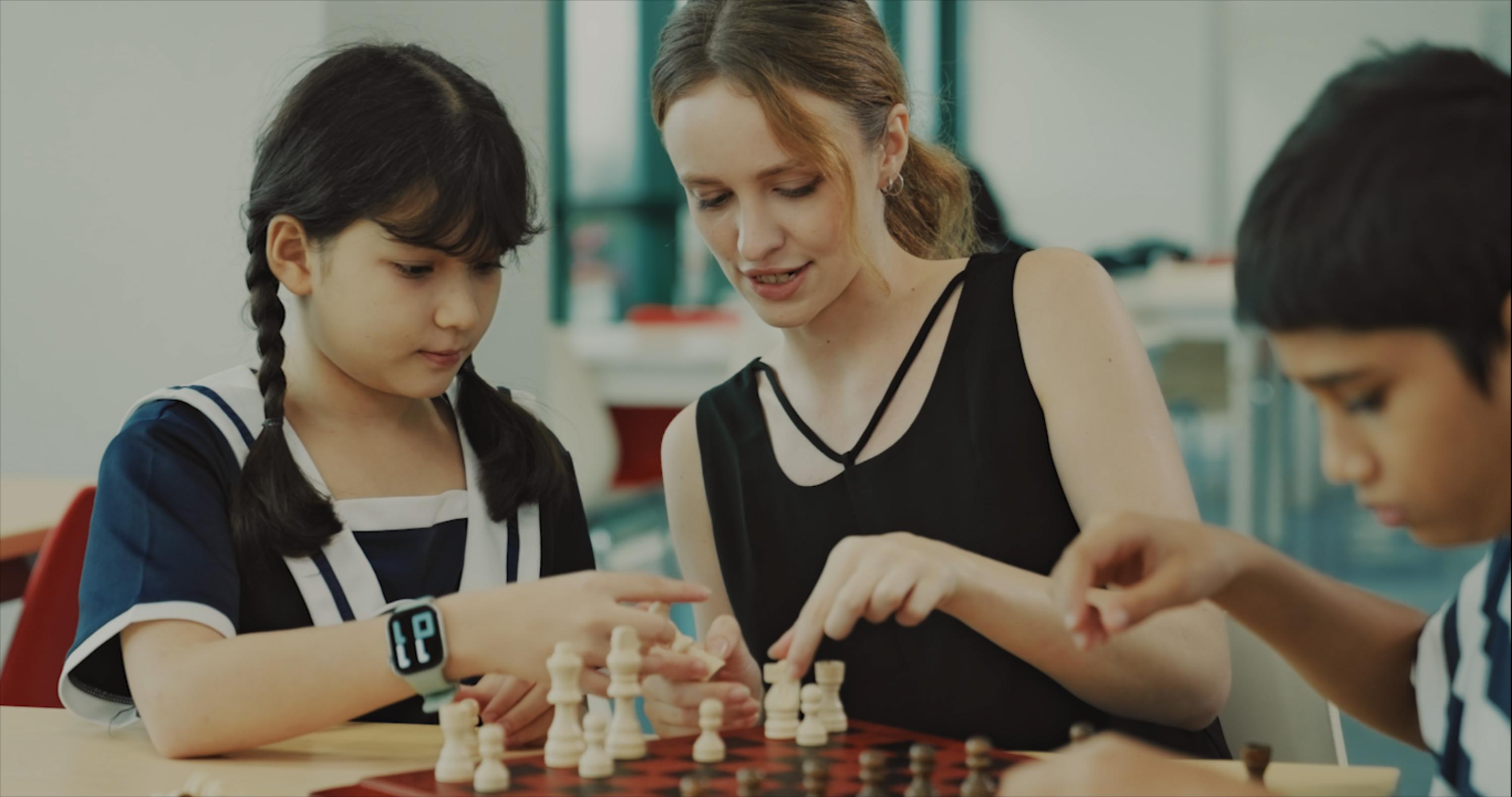
Chess is more than a solitary pursuit; it’s a social experience that fosters understanding and respect. When students face an opponent, they learn to appreciate different perspectives and strategies.
-
Empathy develops as they recognize the significance of each move from their opponent’s standpoint.
-
Sportsmanship is cultivated through respectful play, learning to win graciously and lose with dignity.
In Los Angeles, Train of Thought’s programs bring together students from diverse backgrounds, creating an environment where empathy thrives. By participating in chess, children learn that every player’s journey contributes to the game’s richness.
Cognitive and Leadership Growth

Chess nurtures cognitive abilities and leadership skills, paving the way for academic success and personal growth. Our programs are designed to unlock this potential in every student.
Enhancing Critical Thinking Skills
Chess plays a crucial role in developing critical thinking. It challenges students to think several steps ahead, evaluating potential outcomes of each move.
-
Studies show that chess-playing students improve their critical thinking skills by 30%.
-
This improvement is not just theoretical; it translates into better academic performance across subjects.
A parent from our Los Angeles program shared, “My child’s problem-solving skills have skyrocketed since joining the chess club.” This boost in thinking skills equips students with the tools to tackle classroom challenges effectively.
Fostering Problem-Solving for Kids
Chess is a puzzle waiting to be solved, fostering a mindset that embraces challenges. Children learn that every problem has a solution if they approach it with patience and creativity.
-
By confronting complex positions on the board, students develop resilience.
-
Chess teaches them to break down problems into manageable parts, a vital skill in academics and life.
Research from the University of Chicago highlights that students who engage in chess are 50% more likely to excel in problem-solving tasks. This growth mindset is a cornerstone of Train of Thought’s curriculum, preparing students for real-world scenarios.
Community Impact and Engagement

Train of Thought is committed to making chess accessible, promoting equity and community involvement through our programs.
Expanding Los Angeles Chess Programs
Our mission is to integrate chess into as many Los Angeles schools as possible, providing opportunities for every student to benefit from this strategic game.
-
Over 150,000 students have participated in our programs, with numbers growing each year.
-
Schools partnering with us report significant improvements in student engagement and performance.
Learn more about how chess can transform education by visiting Chess for School Children.
Supporting Equity in Education
Equitable access to chess education ensures all students, regardless of background, have the chance to develop crucial skills. Our programs are designed to reach underserved communities, leveling the playing field.
-
Chess offers a low-cost yet high-impact educational tool.
-
By partnering with schools and community organizations, we provide resources where they are needed most.
Every child deserves the chance to benefit from chess, and with your support, we can continue to expand our reach. For insights into the transformational power of chess, check out the Social Emotional Learning through Chess.
In conclusion, chess is more than just a game. It’s a powerful educational tool that fosters social, emotional, and cognitive growth. By embracing chess, we equip students with the skills they need to succeed in every aspect of life. Together, let’s make a difference through chess education!