Move by Move: The Science of Chess and Children’s Brain Development
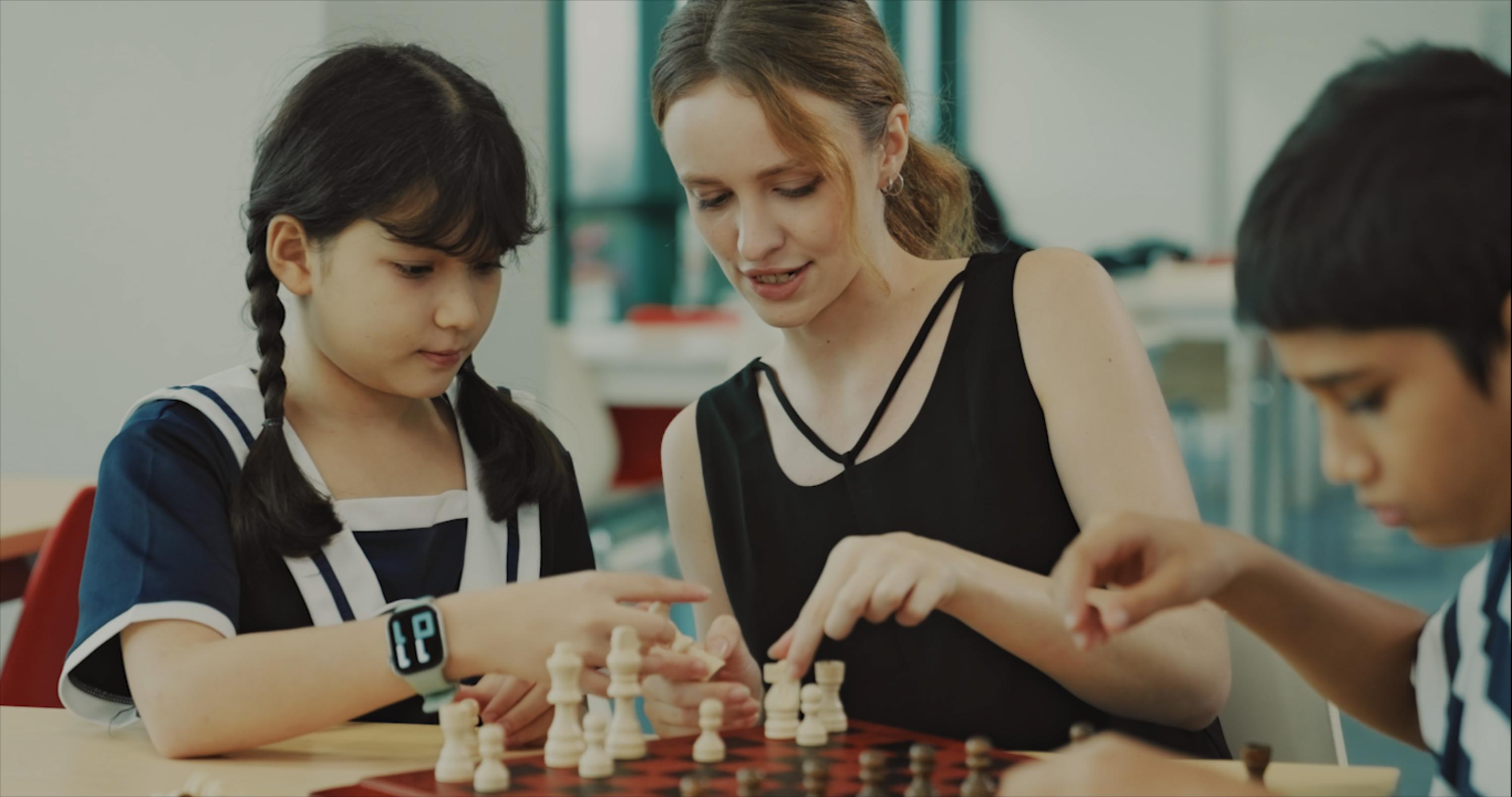
Most people think chess is just a game, but it’s actually a powerful tool for brain growth in kids. Research shows chess and brain development work hand in hand to boost skills like working memory improvement and cognitive flexibility. In this post, you’ll see how these benefits translate into real classroom success and why bringing a K-12 chess curriculum to your school can change how students learn and lead. Here is a fascinating read on the topic.
Science of Chess and Brain Development

Chess is more than a timeless game; it’s a catalyst for young minds. Let’s explore the science behind its impact on brain development.
Cognitive Benefits of Chess for Kids
Chess offers children an edge in developing crucial cognitive abilities. By engaging in chess, kids enhance their working memory through active problem-solving. Each move requires memory recall and strategic thinking, reinforcing these skills over time. Did you know that students who play chess improve at a rate 1.5 times faster in subjects like math? This statistic highlights how chess can powerfully aid academic growth.
Beyond memory, chess boosts cognitive flexibility. Kids learn to adapt strategies, fostering the ability to switch gears quickly. This skill is vital not just in games but in real-life scenarios where situations change unexpectedly. The longer they play, the more adept they become at thinking on their feet, making chess a practical tool for mental agility.
Neuroplasticity in Children and Chess
Neuroplasticity—the brain’s ability to adapt and grow—is a key player in child development. Chess stimulates this dynamic process. When children play, they form new neural connections, enhancing their capacity to learn. This continuous brain workout results in a flexible and adaptable mind.
Recent studies, such as those found here, show that chess can significantly increase brain plasticity. As kids master chess strategies, their brains physically change, becoming more efficient. This adaptability is crucial in a world where change is constant, making chess a valuable educational tool.
Executive Function Skills in Practice
Chess provides a unique platform to practice executive function skills—the mental processes that enable planning, focus, and multitasking. Children learn to evaluate multiple outcomes before making a move, honing their decision-making abilities. Imagine a classroom where students can foresee consequences just like they do on the chessboard!
As they play, students also improve their self-control, delaying immediate gratification for better long-term results. This skill translates directly into improved behavior and academic performance. Chess teaches kids to think ahead, a skill that benefits them in all areas of life.
Classroom and After-School Outcomes

The benefits of chess extend beyond cognitive skills, influencing classroom success and social interactions.
Critical Thinking and Problem Solving Skills
Chess transforms players into critical thinkers. By constantly engaging in strategic play, students learn to identify problems and devise creative solutions. According to research, students improve their test scores by 17% when they participate in chess programs. This increase is a testament to the game’s power in enhancing academic performance.
When students tackle challenges on the chessboard, they develop a mindset geared towards problem-solving—a skill that extends to all academic subjects. The takeaway is clear: chess is a tool that sharpens the mind, preparing students for both academic and real-world success.
Attention and Focus in Children
Maintaining focus is a challenge for many kids, but chess can help. The game demands attention to detail and sustained concentration, skills that naturally improve with practice. Kids who regularly play chess show marked improvement in their ability to concentrate on tasks, a benefit that spills over into their schoolwork.
Imagine a classroom where students can focus better and for longer periods. Chess trains kids to tune out distractions and concentrate on the task at hand, leading to better learning outcomes and classroom behavior.
Social Emotional Learning Through Chess
Chess isn’t just about intellect; it also fosters social emotional learning. Players learn to handle winning and losing gracefully, building resilience and sportsmanship. These experiences teach empathy and emotional regulation, essential skills for personal and academic growth.
Chess also encourages patience and perseverance. Each game teaches children to persist despite setbacks, nurturing a growth mindset and emotional strength. Explore more on how chess contributes to emotional development here.
Building Community Through Chess Education

Chess education doesn’t just benefit individuals; it strengthens community ties and opens new opportunities.
Leadership Skills for Youth
Chess equips young players with leadership skills. As they strategize, they learn to lead themselves and others, making decisions that influence outcomes. These leadership abilities translate off the board, empowering students to take initiative in school projects and community activities.
By promoting strategic thinking, chess nurtures future leaders who are confident and capable of guiding teams towards success. This preparation is invaluable, setting the stage for lifelong leadership and collaboration.
Chess for Underserved Communities
Chess can bridge gaps in underserved communities. By providing access to chess education, we empower students with skills that foster academic achievement and personal growth. Chess programs can be a lifeline for schools lacking resources, offering an affordable way to boost student engagement and success.
In communities where resources are scarce, chess provides a unique opportunity for students to excel. Through chess, children gain confidence, develop skills, and find new pathways to success.
Starting a School Chess Program in Los Angeles
Creating a school chess program in Los Angeles is a step towards nurturing the next generation of thinkers and leaders. Implementing such a program involves collaboration with educators, parents, and community members dedicated to empowering youth through chess.
By integrating chess into the school curriculum, we can transform how students learn and lead. The benefits are clear: improved cognitive skills, better academic performance, and stronger community connections. For those interested in launching a chess program, resources and support are available to guide you through the process.
Chess is more than a game; it’s a transformative educational tool. By bringing chess to more schools, we empower students to reach their full potential. The journey begins with a simple move—introducing chess into your community. Let’s make it happen!