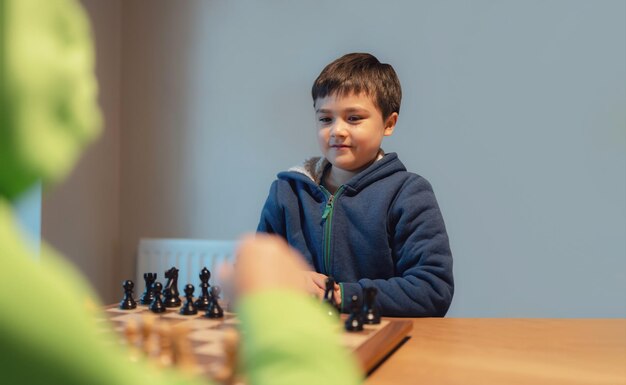
Empowering Underserved Communities Through Accessible Chess Programs
Too often, underserved communities miss out on programs that build critical thinking skills and student leadership. Train of Thought’s K-12 chess program brings equitable chess education right where it’s needed most—Title I schools and neighborhoods craving opportunity. You’ll see how accessible chess programs spark confidence, foster community partnerships, and open doors for youth development that lasts beyond the classroom. Learn more about how chess helps at-risk kids here.
Building Community Through Chess

Chess creates a world of possibilities for schools and families. It brings people together, fostering a sense of belonging and shared purpose. Let’s explore how we can get everyone involved in this amazing journey.
Engaging Families in Chess Nights
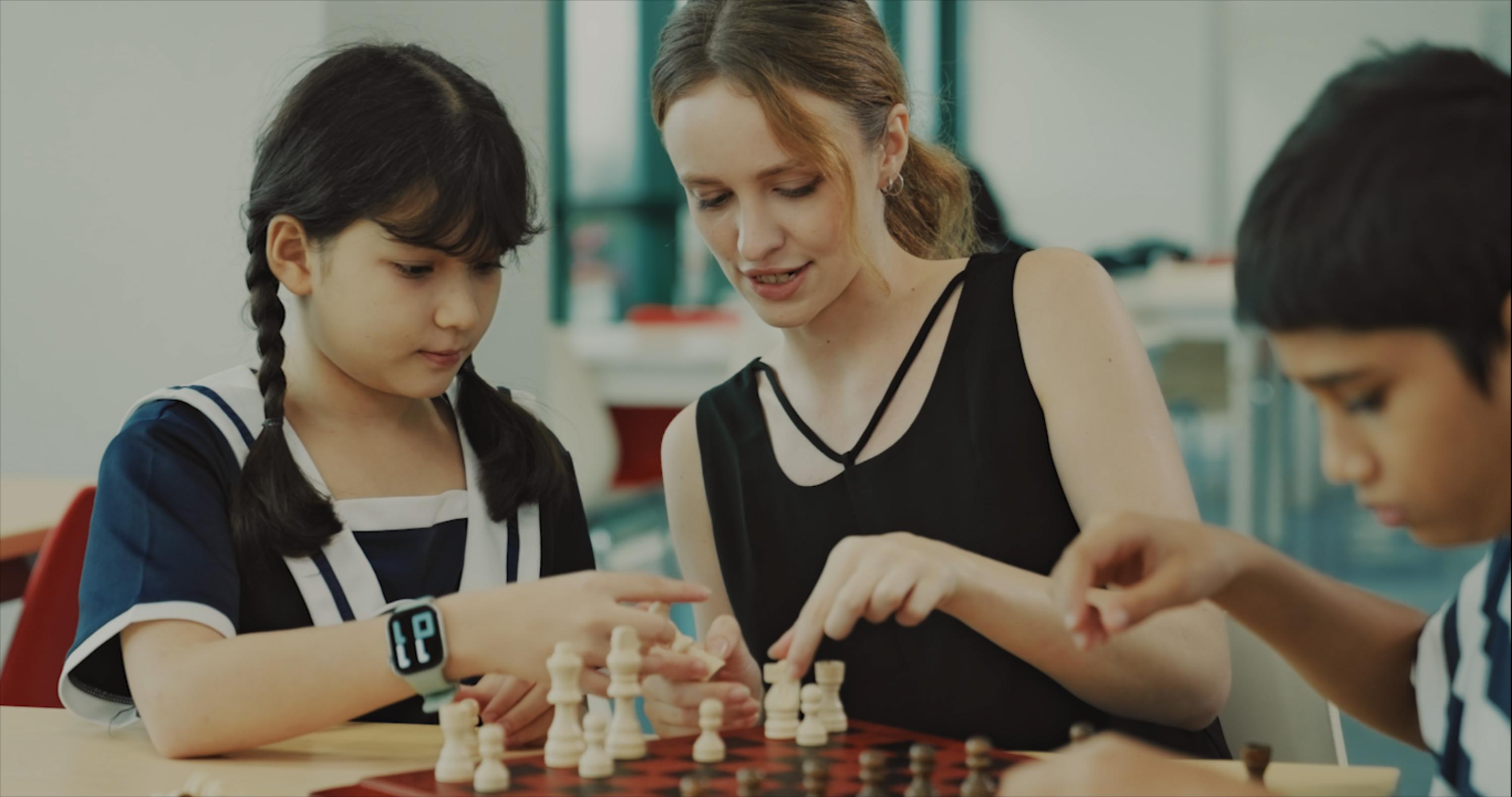
Imagine a fun evening where families gather to explore the game of chess. These chess nights provide a space for parents and children to bond over the board. You learn strategies, cheer for each other, and share in the excitement of the game. It’s not just about playing chess; it’s about creating memories.
Parents often find themselves surprised at how quickly their children pick up the game. Watching them think ahead, plan their moves, and even beat grown-ups becomes a source of pride. These nights become a regular highlight, strengthening family ties and building a supportive community around you. The laughter and shared learning make it an inviting and enjoyable experience for everyone involved.
Partnerships for School Enrichment
Schools can become vibrant centers of learning and growth through chess. By partnering with Train of Thought, schools gain access to tailored programs that fit their unique needs. These programs seamlessly integrate chess into the curriculum, providing students with a fun and educational way to boost their skills.
Educators notice how chess sparks curiosity and enhances classroom engagement. Students apply critical thinking learned from chess to subjects like math and science. This creates a ripple effect, improving overall academic performance. Schools become hubs of innovation, where students thrive and develop a love for learning that lasts a lifetime.
Volunteer Opportunities in Chess Education
Volunteers play a crucial role in bringing chess to life in schools. Whether you’re a chess enthusiast or someone eager to make a difference, volunteering offers a fulfilling way to contribute. You get to guide young minds, watching them grow and develop new skills.
Volunteering is about more than teaching chess. It’s about inspiring confidence and encouraging leadership. As students learn from your example, they gain the courage to take on new challenges. The connections you build with these students are rewarding, and the impact you make is lasting. Consider joining this mission to enrich young lives through chess.
Benefits of Chess for Youth

Chess offers more than just a game; it provides essential life skills. Let’s dive into the transformative benefits that chess brings to young minds.
Developing Critical Thinking Skills
Chess is a natural way to enhance critical thinking. Every move you make requires careful thought and planning. This practice sharpens your ability to solve problems and make decisions. You learn to analyze situations, foresee potential outcomes, and choose the best course of action.
Research shows that students who play chess excel in critical thinking assessments. They become adept at evaluating choices and anticipating consequences. These skills transfer to everyday life, empowering you to navigate challenges with confidence. Chess becomes a powerful tool in your educational toolkit.
Fostering Student Leadership
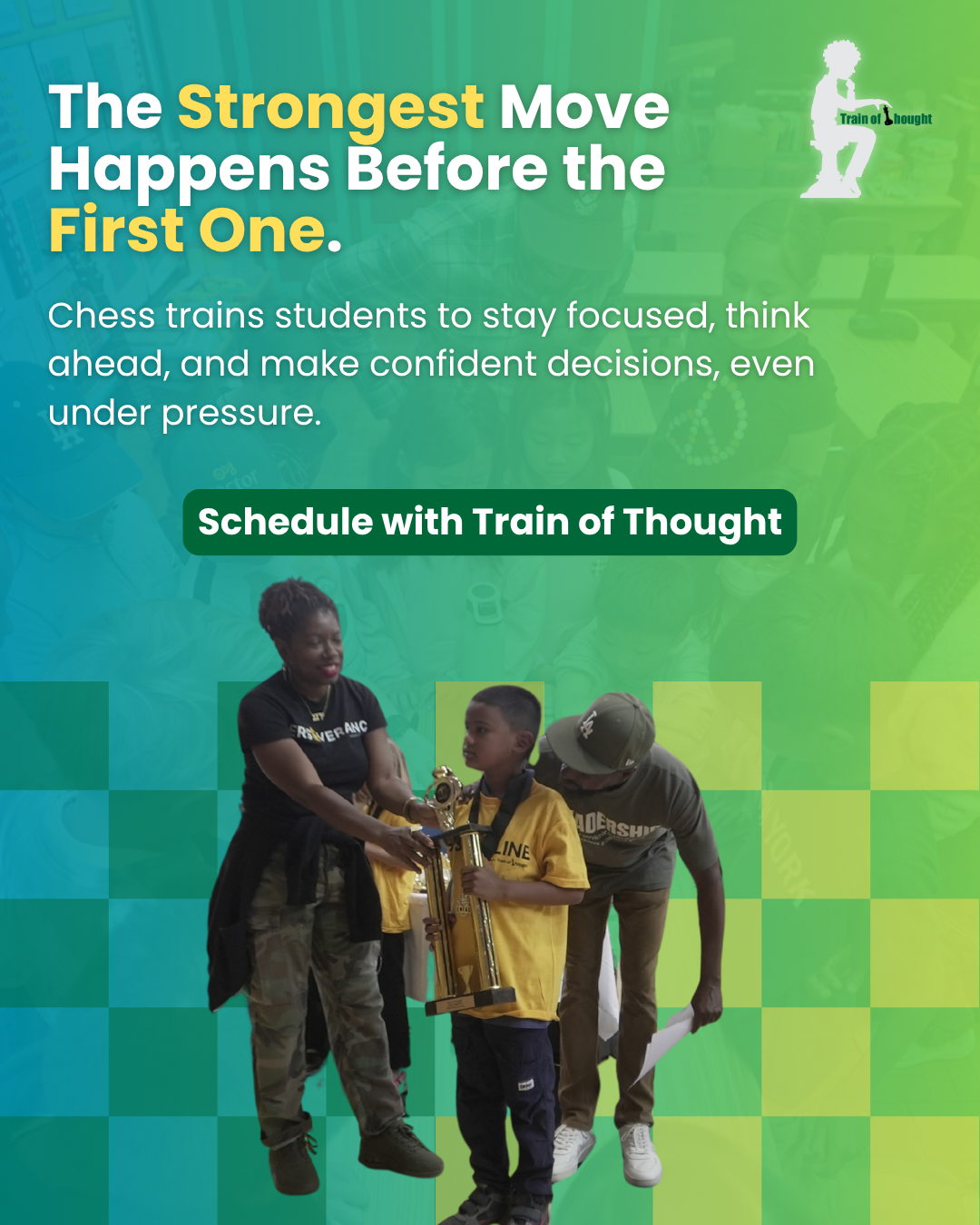
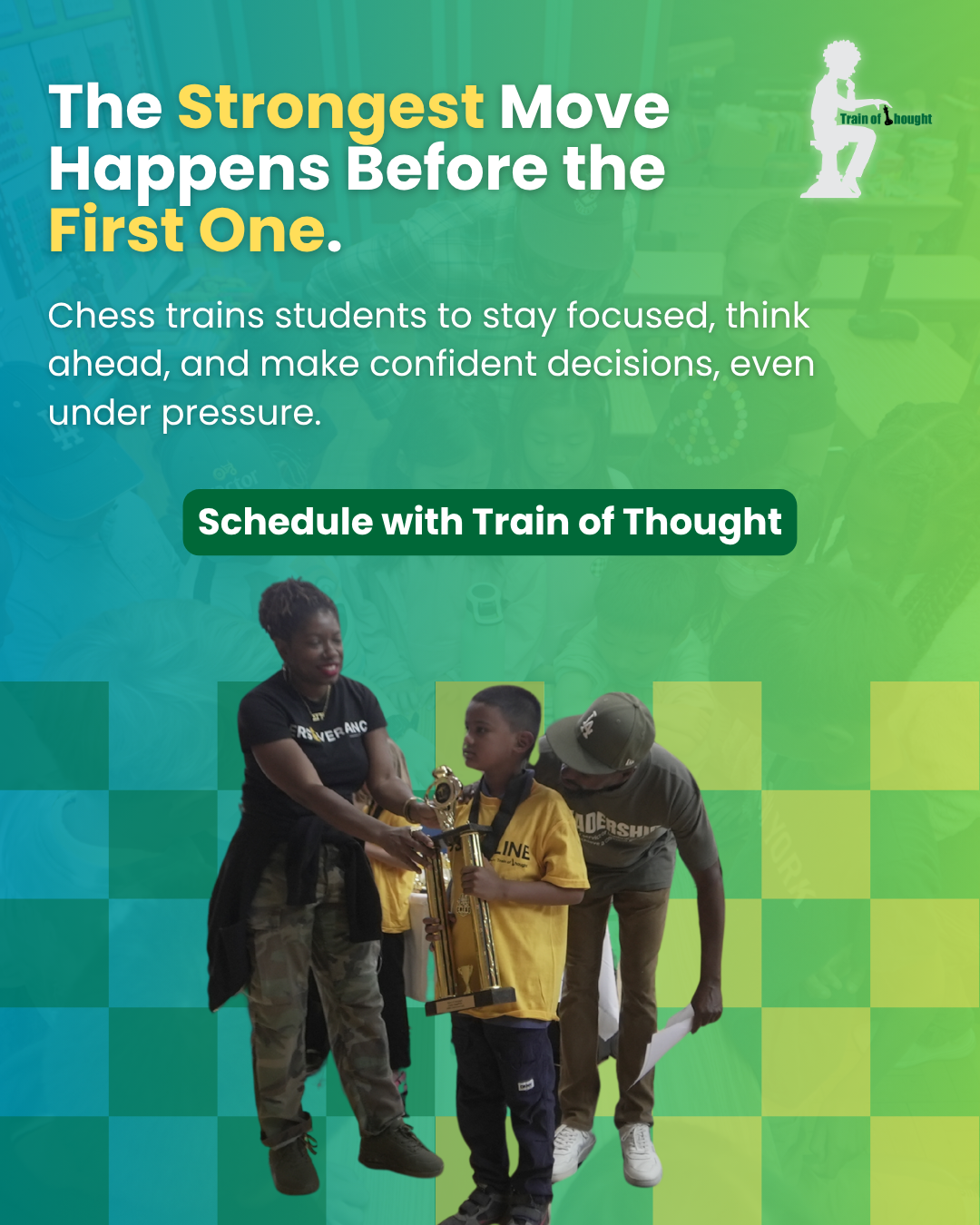
Leadership emerges naturally on the chessboard. As students play, they develop qualities like confidence and resilience. Chess encourages you to take initiative, make strategic decisions, and lead by example. These traits are invaluable in both academic and social settings.
Chess clubs offer a platform for students to practice leadership. You organize events, mentor peers, and contribute to the club’s success. This experience builds a sense of responsibility and teamwork. By fostering leadership through chess, students gain skills that prepare them for future roles in their communities and careers.
Promoting Cognitive Development
Chess is a workout for the brain. Playing chess stimulates cognitive growth, enhancing memory, concentration, and creativity. As you learn and apply complex strategies, your brain develops new pathways. This boosts overall brain function and helps you think more clearly and efficiently.
Studies reveal that regular chess play leads to improved cognitive abilities. Students who engage in chess demonstrate enhanced memory retention and faster information processing. This cognitive boost translates to better performance in school and beyond. Chess becomes a fun and effective way to support your mental development.
Making Chess Accessible to All

Train of Thought is committed to ensuring that chess is available to everyone, regardless of their background. Here’s how we make this happen.
Supporting Title I Schools
Title I schools face unique challenges, but chess can be a game-changer. By providing chess programs, we open doors for students in these schools. Chess becomes an equalizer, offering opportunities for cognitive growth and leadership development.
Our programs are designed to meet the needs of Title I schools, providing resources and support to integrate chess into their curriculum. Students gain access to quality education that equips them with essential skills for their future. By supporting Title I schools, we create pathways to success for all students.
Hybrid Learning and Bilingual Engagement
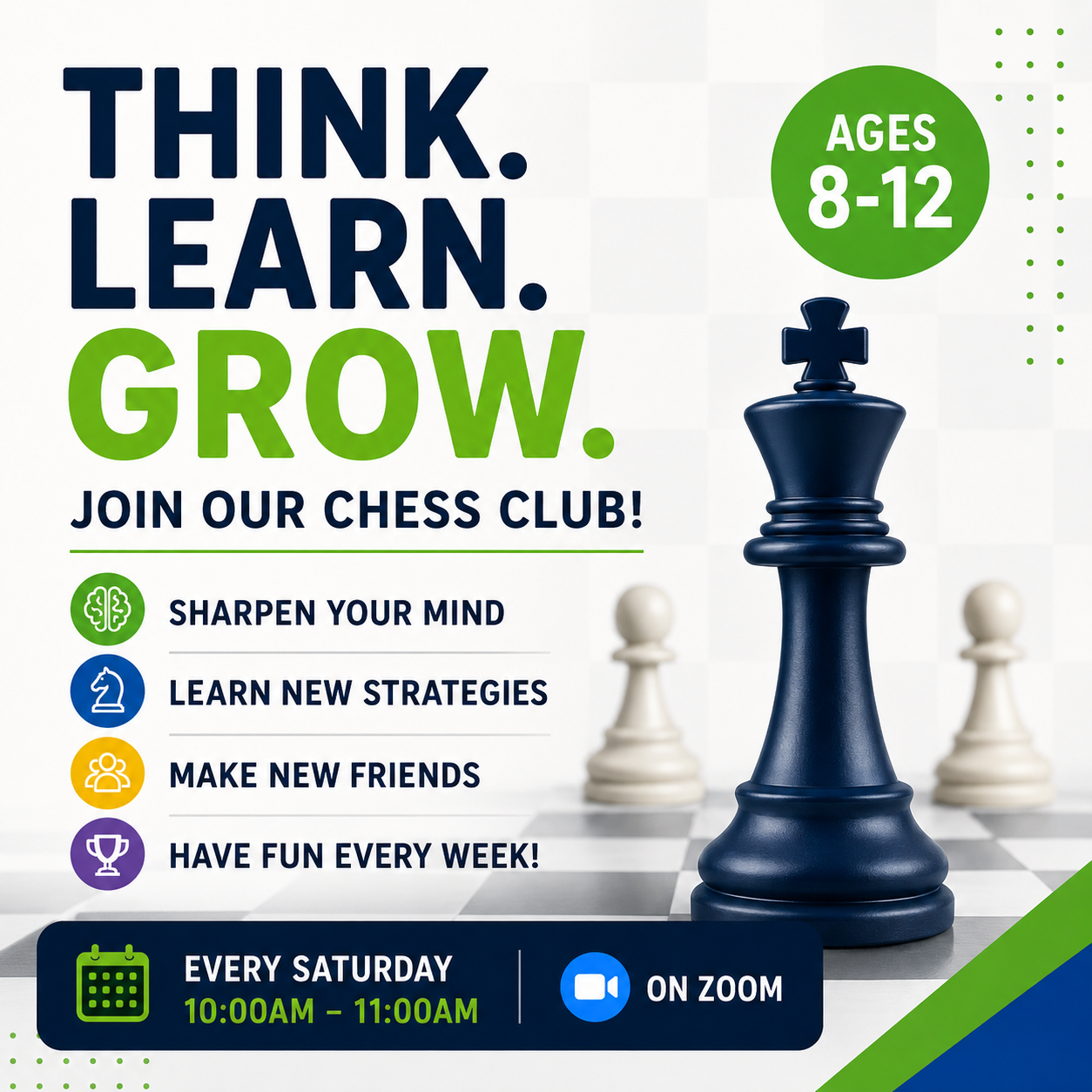
In today’s world, flexibility is key. Our hybrid learning model combines in-person and online chess lessons, accommodating diverse learning preferences. This approach ensures that students can engage with chess in ways that suit them best.
We also offer bilingual engagement, making chess accessible to students from various linguistic backgrounds. Language is no barrier when it comes to learning and enjoying chess. This inclusivity fosters a sense of belonging and ensures that everyone can participate in our programs.
Sliding-Scale Pricing and Scholarships
To make chess education accessible, we offer sliding-scale pricing and scholarships. We believe that financial constraints should not hinder a student’s opportunity to learn and grow through chess. Our goal is to reach as many students as possible, regardless of their financial situation.
By removing financial barriers, we ensure that every student has the chance to benefit from chess. This approach empowers families to invest in their children’s education, knowing that they are supported. Join us in making chess a reality for all students, and witness the transformative power it brings.