Mindful Moves: How Chess Builds Emotional Intelligence and Resilience in K-12 Students
Chess isn’t just a game—it’s a powerful tool that builds chess emotional intelligence and resilience in youth. When students learn to control their emotions and think ahead on the board, they develop skills like self-regulation, empathy, and perseverance that carry into every part of life. Train of Thought’s proven K-12 chess curriculum turns these mindful moves into lasting growth for your child and community. Learn more about the benefits of playing chess here.
Building Emotional Intelligence Through Chess

Chess is more than just strategic gameplay; it’s a gateway to developing emotional intelligence in students. This section explores how chess nurtures self-awareness, empathy, and focus in educational settings.
Self-Awareness and Regulation
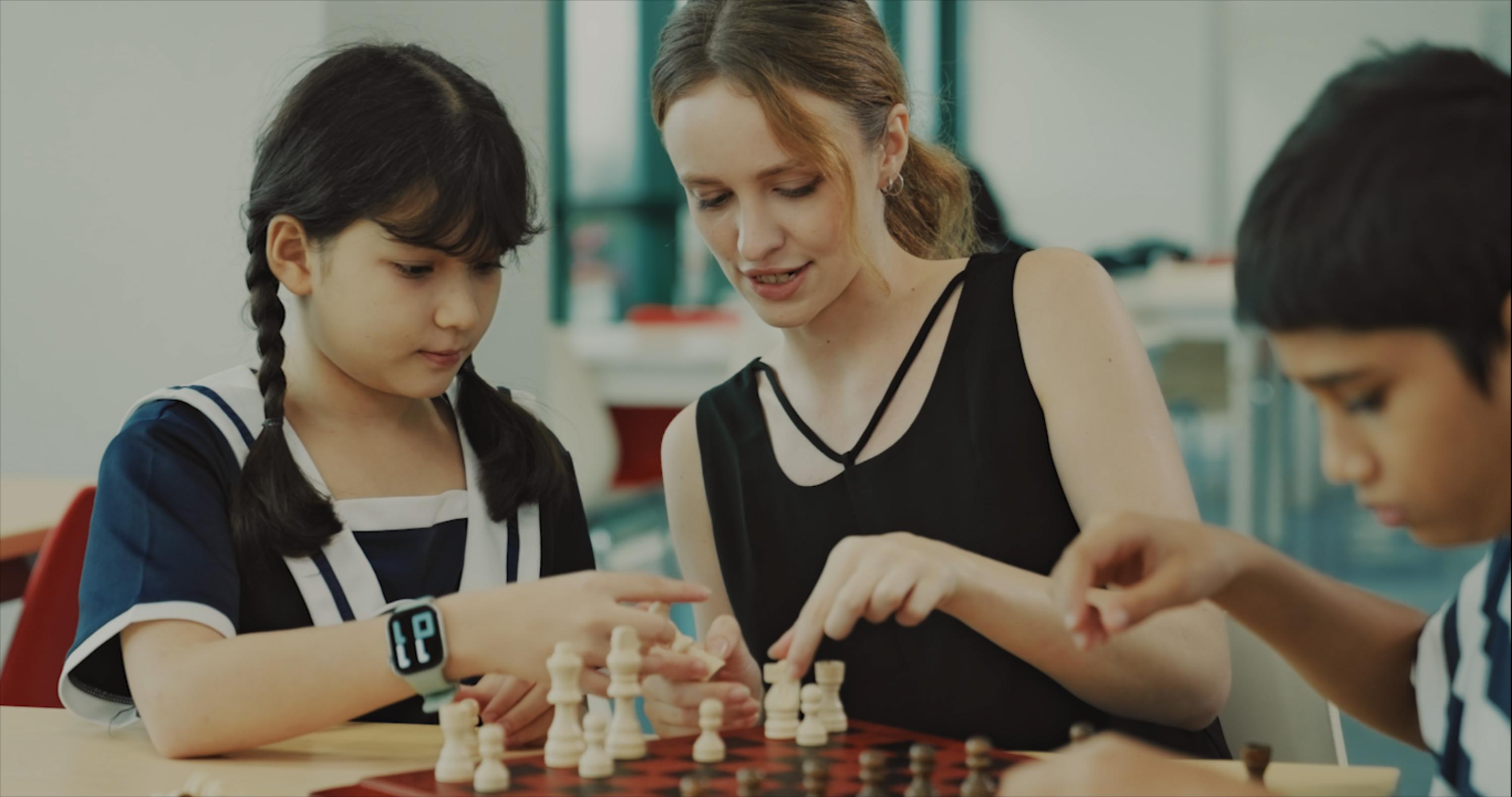
Playing chess allows students to observe their thoughts and emotions. Each move on the board becomes an opportunity to reflect on their decisions. While analyzing their choices, students learn to recognize their own strengths and weaknesses. This self-awareness translates into better self-regulation, as they start to control impulsive actions, both on and off the board.
Imagine a student pausing to consider their next move instead of rushing in. They begin to understand the impact of patience, leading to improved emotional control. As they practice, they build a foundation of thoughtful decision-making. This process enhances student self-regulation, a skill that benefits their daily lives and academic pursuits.
Empathy Through Strategic Play
Chess encourages players to predict their opponent’s moves and motivations. By considering the perspective of others, students cultivate empathy. They learn to anticipate how their actions affect those around them, fostering a sense of understanding and compassion.
Think of a time when a student anticipates an opponent’s strategy. This exercise in perspective-taking deepens their empathy. Recognizing the other player’s intentions builds a bridge of connection, teaching valuable lessons in empathy through chess.
Focus and Attention in School
Chess demands intense concentration, sharpening a student’s focus. This honed attention enhances their ability to concentrate in school. The skills acquired while planning multiple moves ahead translate into improved academic performance, where distractions are minimized.
Consider a classroom where students apply their chess-honed focus. They become more attentive, leading to better comprehension and retention. These skills ensure they are better equipped to tackle challenges, fostering success in academic endeavors and beyond.
Developing Resilience in Youth

Resilience is crucial for navigating life’s challenges. Chess builds this quality by teaching perseverance, a growth mindset, and the ability to overcome setbacks.
Grit and Perseverance Skills
Chess teaches students the importance of persistence. Each game is an opportunity to practice grit, as players learn to push through difficulties and setbacks. This perseverance is a vital life skill, helping students tackle challenges with determination.
Picture a young player losing a game but choosing to learn from it. They return to the board, ready to try again, embodying the spirit of perseverance. This resilience in youth is cultivated with each game, preparing them for real-world challenges where determination is key.
Growth Mindset for Students
Chess supports a growth mindset by encouraging students to view challenges as opportunities. Every move offers a chance to learn, fostering an attitude that embraces mistakes as learning tools. This mindset is crucial for developing adaptive and resilient individuals.
Imagine students approaching each game with curiosity, eager to learn from both victories and defeats. They develop a growth mindset for students, understanding that their abilities can be developed through effort and learning.
Overcoming Setbacks with Chess
Chess teaches students that setbacks are part of the journey. By analyzing losses, they learn to adapt strategies, turning failures into stepping stones. This skill of overcoming setbacks equips them to handle challenges gracefully in school and life.
Envision a student reviewing their game to identify mistakes. This reflective practice strengthens their ability to bounce back, enhancing their resilience. Through chess, they learn that setbacks are not the end but rather a step towards growth and improvement.
Empowering Student Leadership

Chess is a powerful tool for nurturing leadership skills in students. It encourages decision-making, self-regulation, and leadership through structured programs.
Decision-Making Skills
Chess requires players to make strategic choices, fostering strong decision-making skills. This ability to evaluate options and anticipate outcomes is essential in leadership roles, where informed decisions are crucial.
Think of students assessing their options on the board, weighing the consequences of each move. This practice sharpens their decision-making skills, preparing them to lead with confidence and foresight.
Student Self-Regulation
Through chess, students practice self-regulation, managing their emotions and behavior. This self-control is a cornerstone of effective leadership, enabling students to navigate challenges calmly and decisively.
Consider students who master self-regulation, remaining composed even under pressure. This skill, honed through chess, translates into balanced and thoughtful leaders, capable of guiding others with poise.
Leadership Through Chess Programs
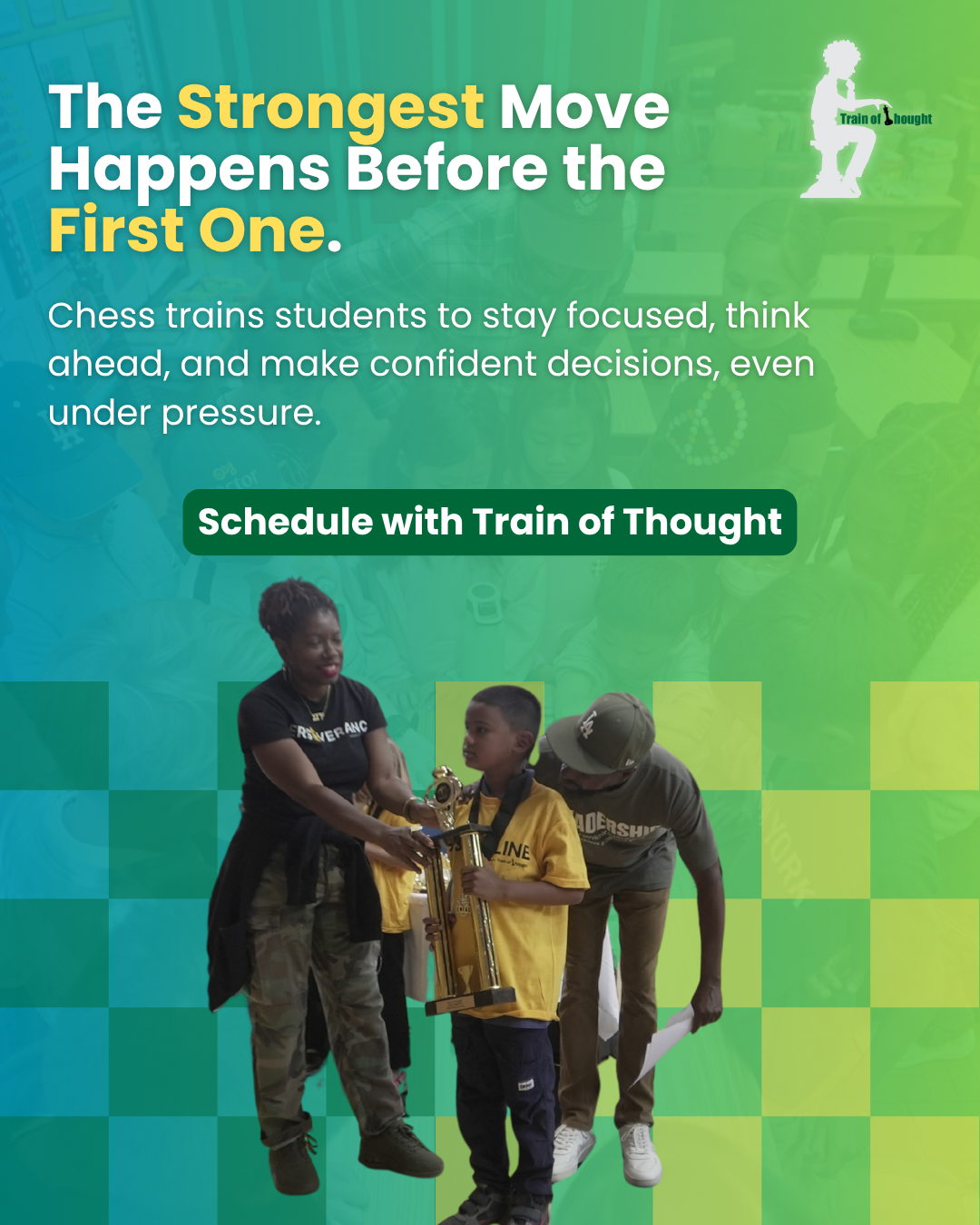
Structured chess programs offer students leadership opportunities, from mentoring peers to organizing tournaments. These experiences empower them to take initiative, fostering a sense of responsibility and community.
Imagine students leading a chess club, organizing matches, and mentoring younger players. Through these roles, they gain practical experience in leadership, learning to inspire and support their peers. These programs, like those offered by Train of Thought, cultivate student leadership through chess, preparing students for future leadership roles.
Chess is more than a game; it’s a transformative tool for personal growth and leadership development. By integrating chess into education, we empower students to become emotionally intelligent, resilient leaders who thrive in every aspect of life.