Building Resilient Communities: The Power of Inclusive Chess Programs
Inclusive chess programs aren’t just about moving pieces on a board—they’re about building stronger communities where every student feels they belong. When kids learn chess in a welcoming space, they develop sharp thinking skills and grow the resilience needed to face life’s challenges. This post shows how chess education creates bonds that empower youth and nurture leaders ready to make a difference. Learn more about the social benefits of chess for kids.
The Impact of Inclusive Chess Programs

Inclusive chess programs do much more than teach strategy; they create spaces where students of all backgrounds can thrive. Here’s how these programs make a difference.
Fostering Student Resilience
Chess teaches resilience through problem-solving and strategy. When kids make a move, they learn to think ahead and adapt. Each game is a chance to grow stronger. You might wonder, how does this help in life? Imagine facing a tough school assignment. Chess players know how to break problems down, evaluate options, and make decisions with confidence. This skill is crucial for overcoming challenges, whether on the board or in real life.
The game also encourages patience and perseverance. Students learn that success often requires multiple attempts, and it’s okay to make mistakes. With each game, they build the grit needed to tackle difficulties head-on. In a world where setbacks are common, these skills are vital.
Strengthening Community Building
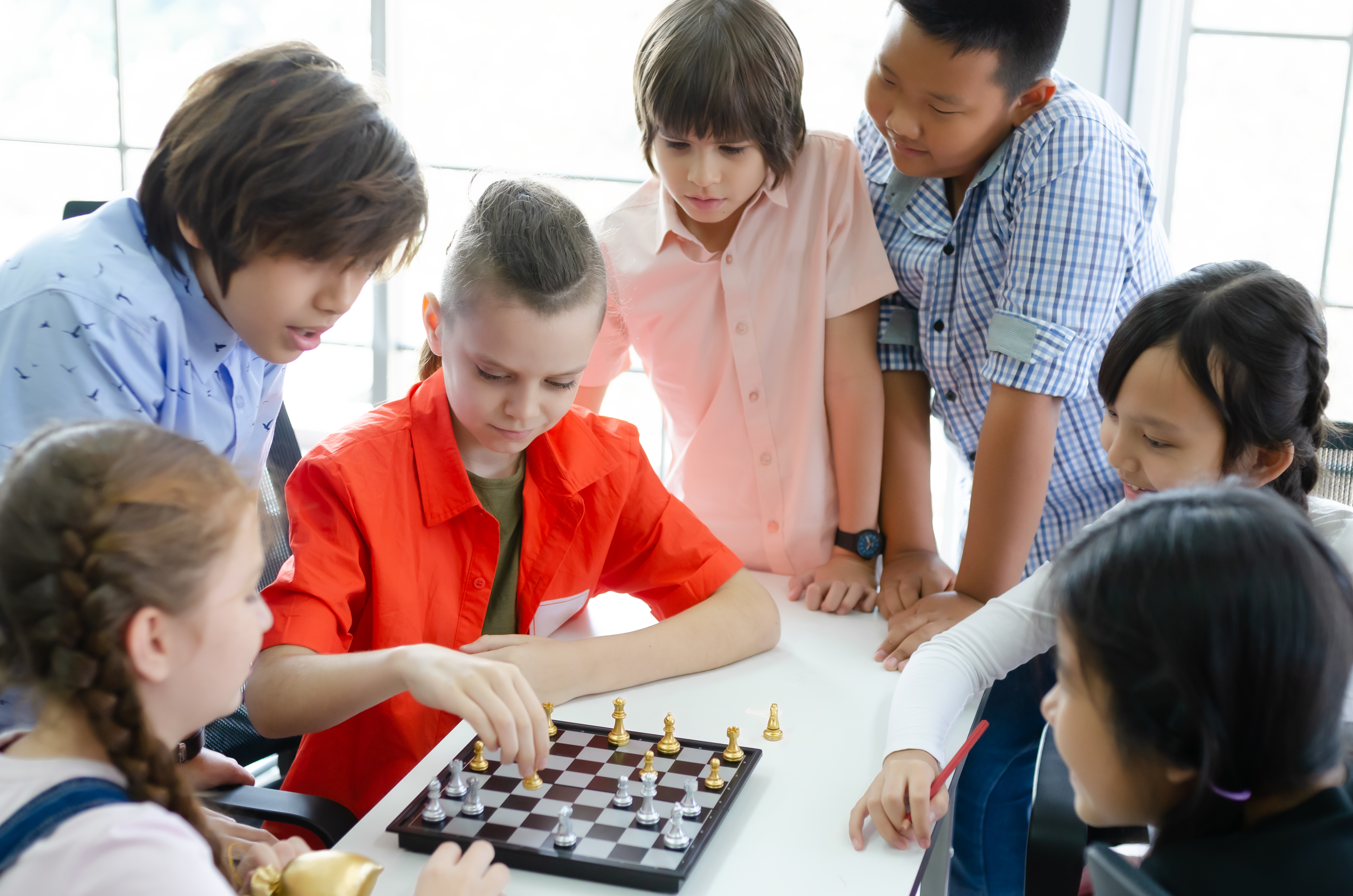
Chess is more than just a solo activity; it’s a community builder. When students gather around a chessboard, they engage in friendly competition and collaboration. This shared experience fosters connections between peers who might not otherwise interact. A simple game can break down barriers, allowing students to see beyond their differences.
By participating in chess clubs or tournaments, students become part of a larger network. They learn the value of teamwork and mutual respect. This sense of belonging is vital in creating an inclusive school environment where everyone feels valued. Read about how chess is creating economic opportunities in underserved communities.
Benefits of Chess Education

Chess provides an array of benefits that extend beyond the classroom. Its impact on critical thinking and youth development is profound.
Enhancing Critical Thinking Skills
Critical thinking is at the heart of chess education. As students consider their moves, they learn to analyze situations deeply. This process enhances their ability to solve complex problems. Did you know that students who play chess improve their analytical skills by 17.3% annually? This is not just about the game; it’s about developing minds equipped to tackle any challenge.
Chess also promotes creativity. Players must think outside the box to devise effective strategies. This fosters innovative thinking, a skill essential for success in today’s world. By nurturing these abilities, chess education prepares students for future academic and career pursuits.
Promoting Youth Development
Chess helps in the holistic development of young minds. It teaches valuable life skills like discipline, patience, and leadership. These are crucial traits that shape a student’s character and future success. Most people think chess is just a game of skill, but it’s truly a tool for personal growth.
Moreover, chess encourages self-esteem and confidence. As students master the game, they gain a sense of achievement that motivates them to pursue other goals. This positive mindset can ripple into other areas of their lives, from academics to social interactions. Explore how chess initiatives impact communities worldwide.
Join the Movement

Now that you understand the transformative power of chess, it’s time to get involved. Here’s how you can support and participate in these programs.
Empowering the Next Generation
By supporting chess programs, you help empower the next generation of thinkers and leaders. Your involvement can make a difference in a student’s life. Imagine being part of a movement that shapes future leaders, thinkers, and problem-solvers.
Consider volunteering at a local chess club or donating to programs that promote chess education. These small actions can have a big impact, helping to sustain and expand initiatives that benefit countless students.
Community Events and Partnerships
Engage with your community through chess events and partnerships. These gatherings provide opportunities to connect with like-minded individuals and organizations. Whether you are an educator, parent, or community member, there’s a role for you in this movement.
Attend local chess tournaments or workshops. These events are not just for players; they are for anyone interested in fostering a supportive environment for youth development. By participating, you contribute to building a stronger, more inclusive community.
Inclusive chess programs offer more than just the thrill of a game. They build resilience, strengthen communities, and nurture young minds. By supporting these initiatives, you can help create a brighter future for students everywhere.







