Unlocking Potential: How Chess Strengthens Focus, Discipline, and Strategic Thinking in Students
Most kids struggle to sit still and focus in a world full of distractions. Chess education offers a surprising way to build focus development, student discipline, and strategic thinking all at once. At Train of Thought, we’ve seen how this timeless game helps students grow into confident thinkers and leaders. Let’s explore how chess can turn your child’s natural curiosity into powerful skills that last a lifetime. Explore the benefits of playing chess for cognitive development.
Chess Education Benefits

Chess offers more than just a game; it’s a gateway to developing essential skills in students. Let’s dive into how it can shape young minds.
Focus Development in Students
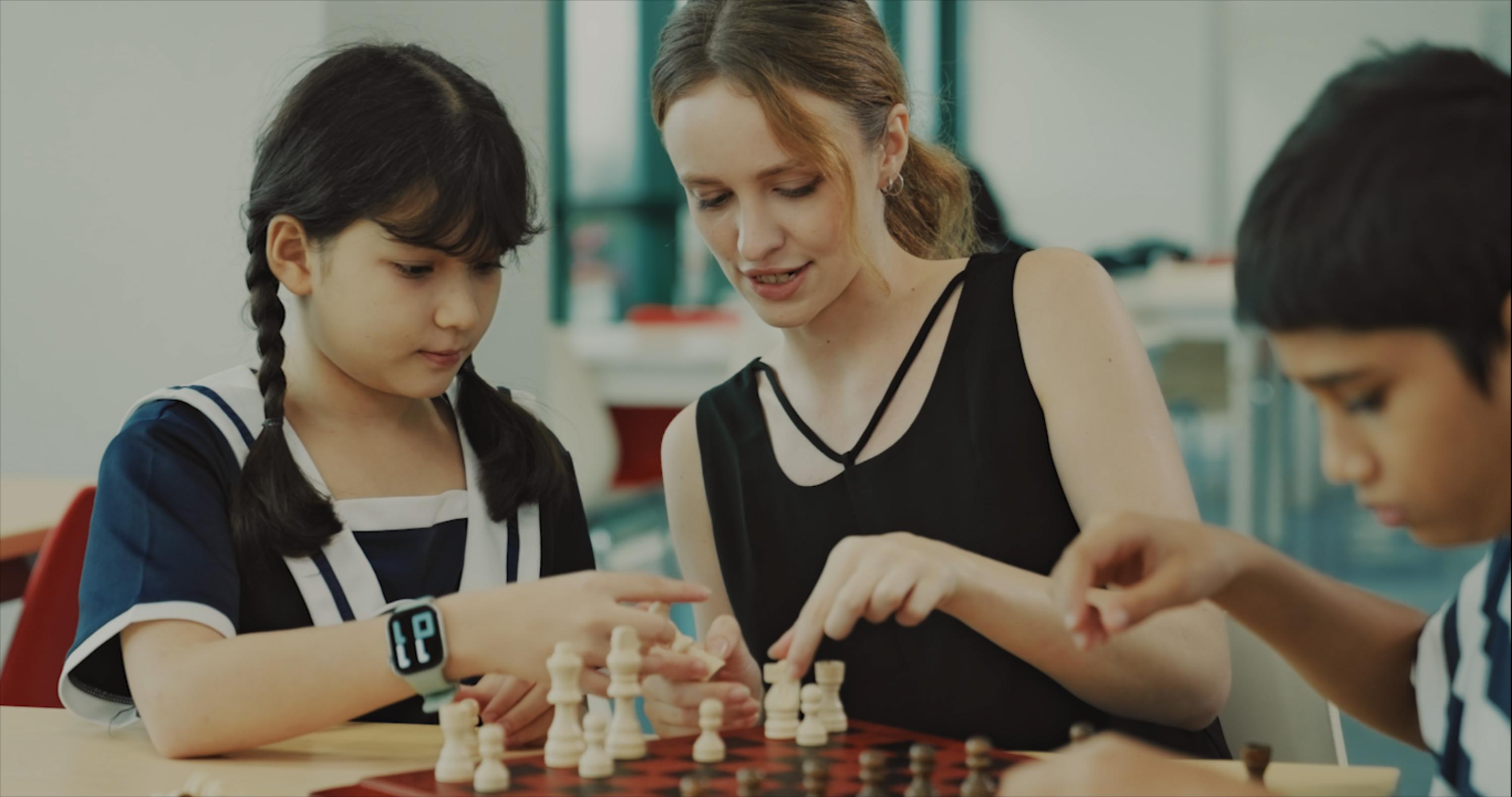
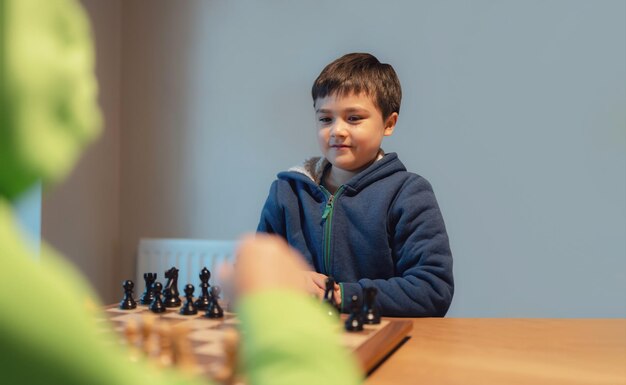
In today’s world, distractions are everywhere, making focus a rare commodity. Chess serves as a powerful tool to sharpen concentration. When kids play chess, they learn to pay attention to every move, analyzing potential outcomes. This practice naturally enhances their focus. Imagine a student who can sit through a game of chess, plotting their next strategy. This skill transfers to their studies, where focus is key. Through chess, students learn to tune out distractions and hone in on their tasks.
A study highlighted that students who played chess regularly improved their reading scores by 17%. Such improvements showcase how a board game can positively impact academic performance. By engaging in chess, students cultivate a deeper level of focus that proves beneficial in all areas of life. Discover more about the focus benefits of chess.
Enhancing Student Discipline
Discipline is about making the right choices consistently, and chess is a great teacher. As students engage in the game, they quickly learn that patience and strategy outweigh hasty decisions. This realization instills a sense of discipline. Students become aware that each move needs careful thought and consideration.
Most people think discipline is about restriction, but in chess, it’s about empowerment. Learning the importance of planning ahead, they begin to apply this mindset beyond the chessboard. Whether it’s completing homework or preparing for exams, disciplined students are better equipped to succeed. Chess teaches them that waiting for the right moment can yield greater rewards.
Building Strategic Thinking Skills
Chess is synonymous with strategy. Every move requires players to think ahead and anticipate their opponent’s actions. This strategic thinking is invaluable for students, preparing them for real-life challenges. In chess, they learn to weigh options and consider consequences before acting. This mirrors the decision-making process they’ll face in life.
Chess players often become adept at recognizing patterns, a skill that enhances problem-solving abilities. For instance, when faced with multiple choices, they can evaluate and select the best course of action. Such skills are crucial in academics and beyond. Learn more about how chess fosters strategic thinking.
Community Engagement and Support

The impact of chess extends beyond individual growth. It fosters community and collaboration, bringing people together through shared experiences.
Empowering Youth Through Chess
Chess is more than a game; it’s a tool for empowerment. By engaging with chess, students discover their potential and learn leadership skills. Chess helps kids see beyond the ordinary, encouraging them to think big. This empowerment is about realizing that every move, like every decision in life, carries weight.
Students often report feeling more confident after participating in chess programs. This newfound confidence spills over into their academic and social lives, creating a positive ripple effect. When students feel empowered, they’re more likely to take on new challenges and leadership roles. Join our community discussion on empowering youth through chess.
Partnerships in Education
Collaboration enhances the reach and impact of any educational tool. Schools and community organizations partnering with chess programs witness significant benefits. These partnerships create a supportive network that fosters growth and learning. When educators and chess experts work together, students receive a well-rounded experience.
Think of it as a bridge connecting different educational resources, ensuring students have access to the best. These partnerships often result in enriched curriculum offerings, providing students with opportunities to learn and grow in unique ways. By integrating chess into education, schools unlock new pathways for student success.
Participating in Chess Events
Chess events are more than competitions; they’re celebrations of skill and strategy. Participating in these events allows students to showcase their abilities and learn from others. These gatherings foster a sense of community, where students connect over shared interests.
Through events, students get a taste of healthy competition and learn the value of sportsmanship. Whether they’re beginners or seasoned players, everyone gains from the experience. These events also offer a platform for students to challenge themselves and grow, marking milestones in their chess journey.
Program Achievements and Opportunities

The success of chess programs is a testament to their impact. Let’s explore some of the achievements and how you can be part of this journey.
Success Stories and Milestones
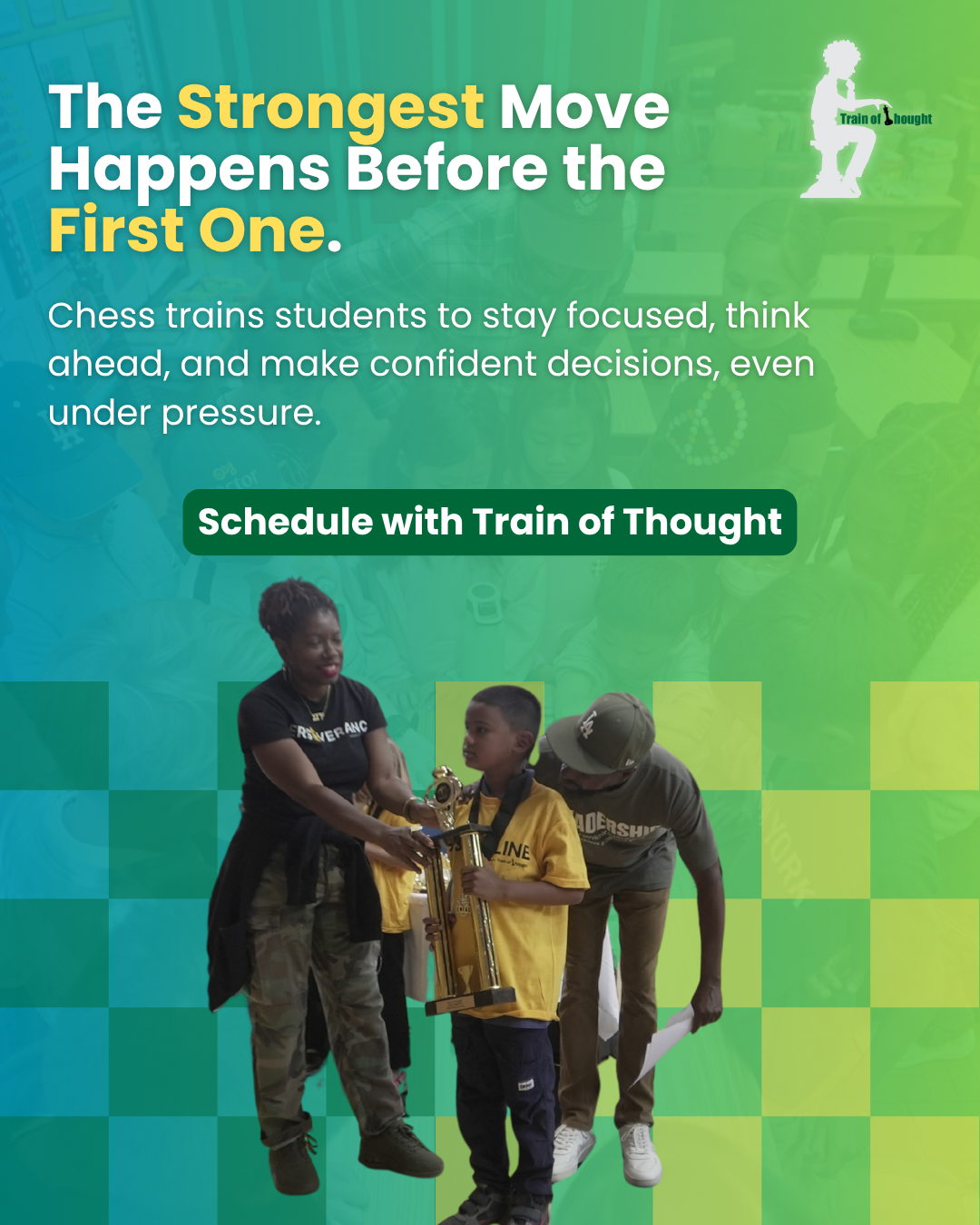
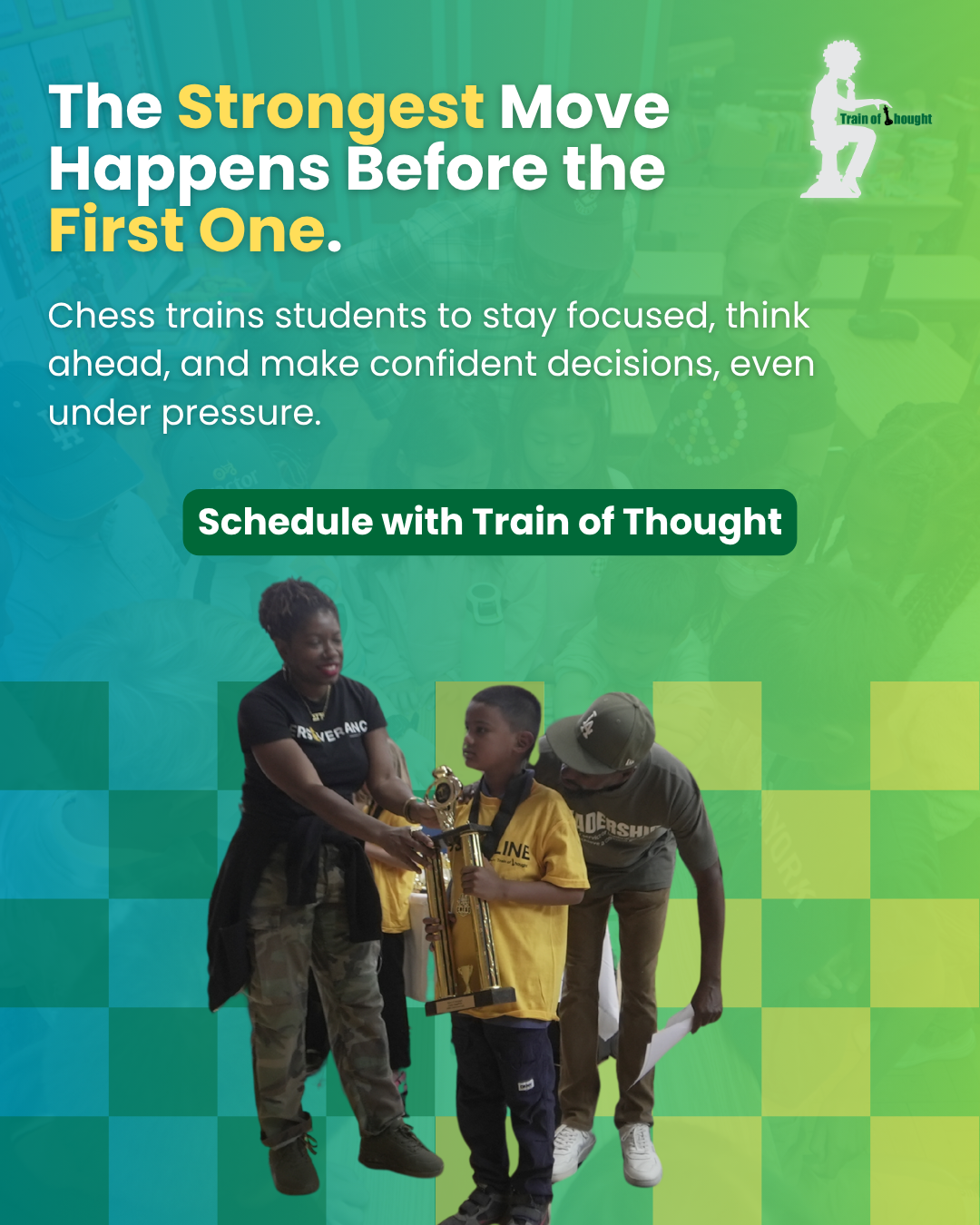
Chess programs have transformed the lives of many students, leading to measurable success. Over 150,000 students have experienced the benefits of chess through our programs. These success stories highlight the positive change chess brings to students’ lives, paving the way for future achievements.
Students often share how chess has improved their academic performance and self-esteem. Such milestones are celebrated, showcasing the program’s impact. When students achieve success, it inspires others to embark on their chess journey, creating a cycle of growth and development.
How to Get Involved
You might wonder how you can contribute to this transformative journey. Whether you’re a parent, educator, or community member, there are ways to get involved. Support chess programs in your local schools or volunteer at events. Your involvement can make a difference.
Consider advocating for chess education within your community. By championing these programs, you help create opportunities for more students to benefit from chess. Together, we can expand the reach and impact of chess education.
Supporting Underserved Communities
Chess programs hold promise, especially for underserved communities. By providing access to chess education, we open doors to opportunities that might otherwise be unavailable. These programs aim to level the playing field, offering every student a chance to succeed.
Supporting these initiatives means investing in the future of our youth. When we empower students from all backgrounds, we contribute to a brighter future for everyone. Join us in making chess accessible to all, ensuring students everywhere can benefit from its transformative power.
🌟♟️