Checkmate Your Fears: How Chess Tournaments Boost Teamwork and Self-Confidence
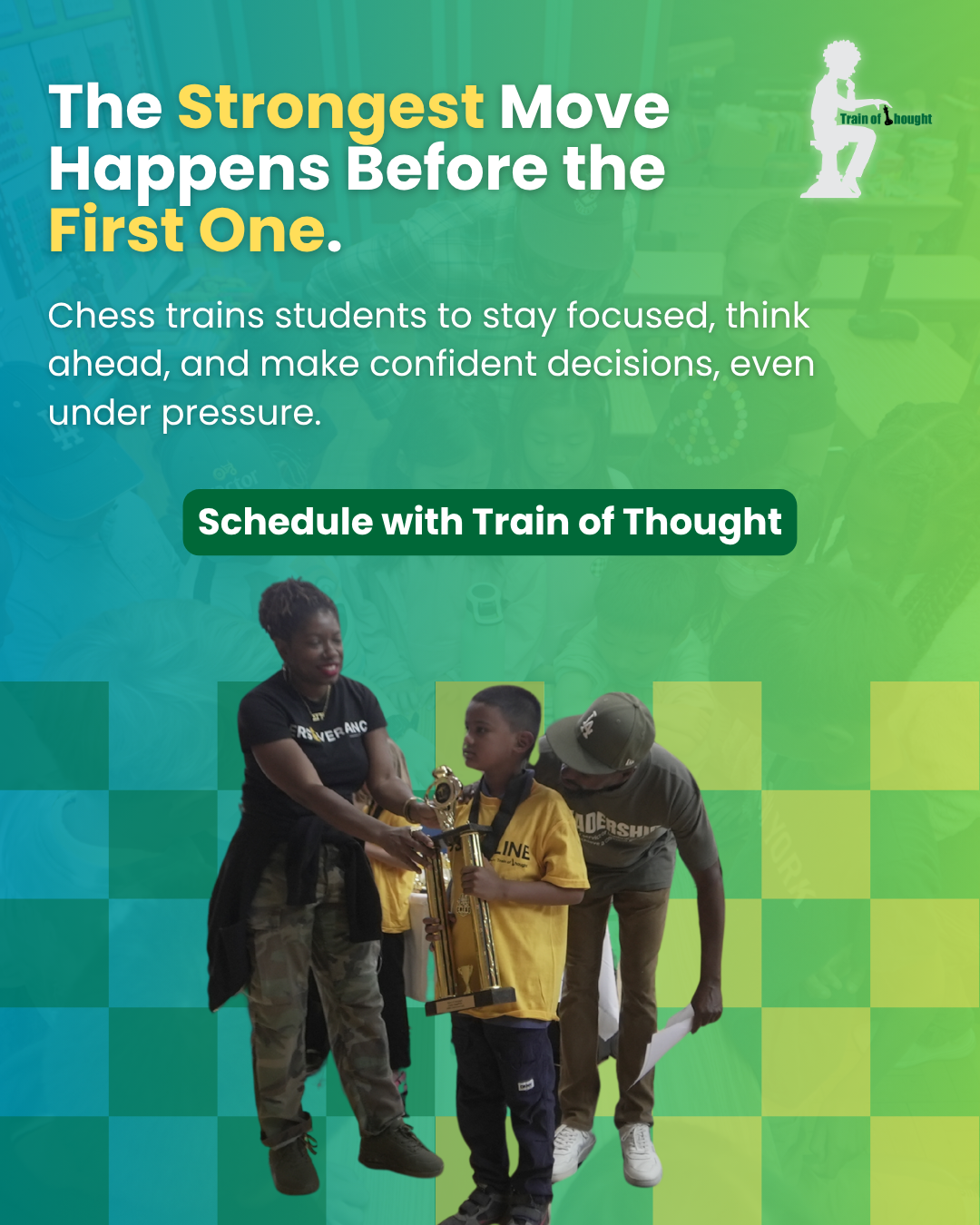
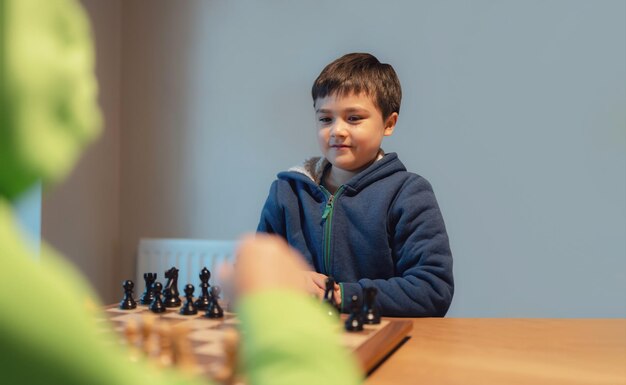
Chess tournaments do more than test strategy—they build teamwork and self-confidence in K-12 students. When young players come together, they learn how to support one another while sharpening their minds. This blend of challenge and collaboration creates powerful lessons that reach far beyond the board. In this post, you’ll see how these events fuel youth development and help students grow into confident leaders. Learn more about the impact of chess on self-confidence.
Boosting Self-Confidence Through Chess

When students face their fears on the chessboard, they gain more than just strategic skills. They build self-confidence that extends into every part of their lives.
Overcoming Challenges on the Board
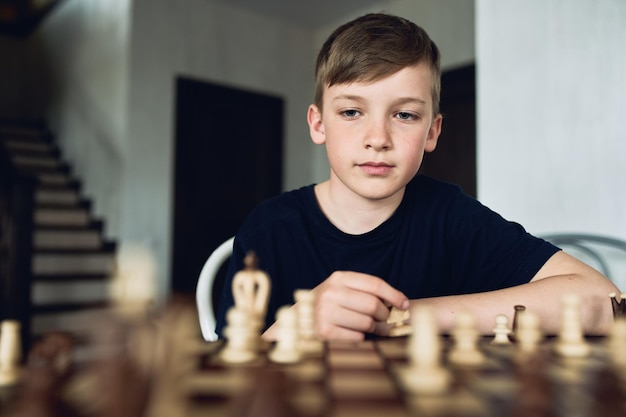
Every chess game is a new challenge that demands focus and determination. As students navigate the board, they encounter complex problems requiring thoughtful solutions. The ability to face these challenges and find solutions boosts their self-confidence. Chess tournaments provide a platform for students to put their skills to the test, proving to themselves and others that they can succeed.
Consider a young player who, after losing a few matches, finally wins a crucial game. That victory is not just a win on the board; it’s a win for their self-esteem. They learn that perseverance pays off, a lesson that applies to academics and life. Engaging in chess helps students believe in their capabilities, which encourages them to tackle challenges outside of chess with newfound confidence. Psychology Today discusses how chess can help reduce overconfidence and improve self-assessment.
Celebrating Personal Growth
Chess tournaments offer a unique opportunity for students to track their progress. Every move they make reflects their growth as a player. As students participate in these events, they witness their own development, which reinforces their sense of achievement.
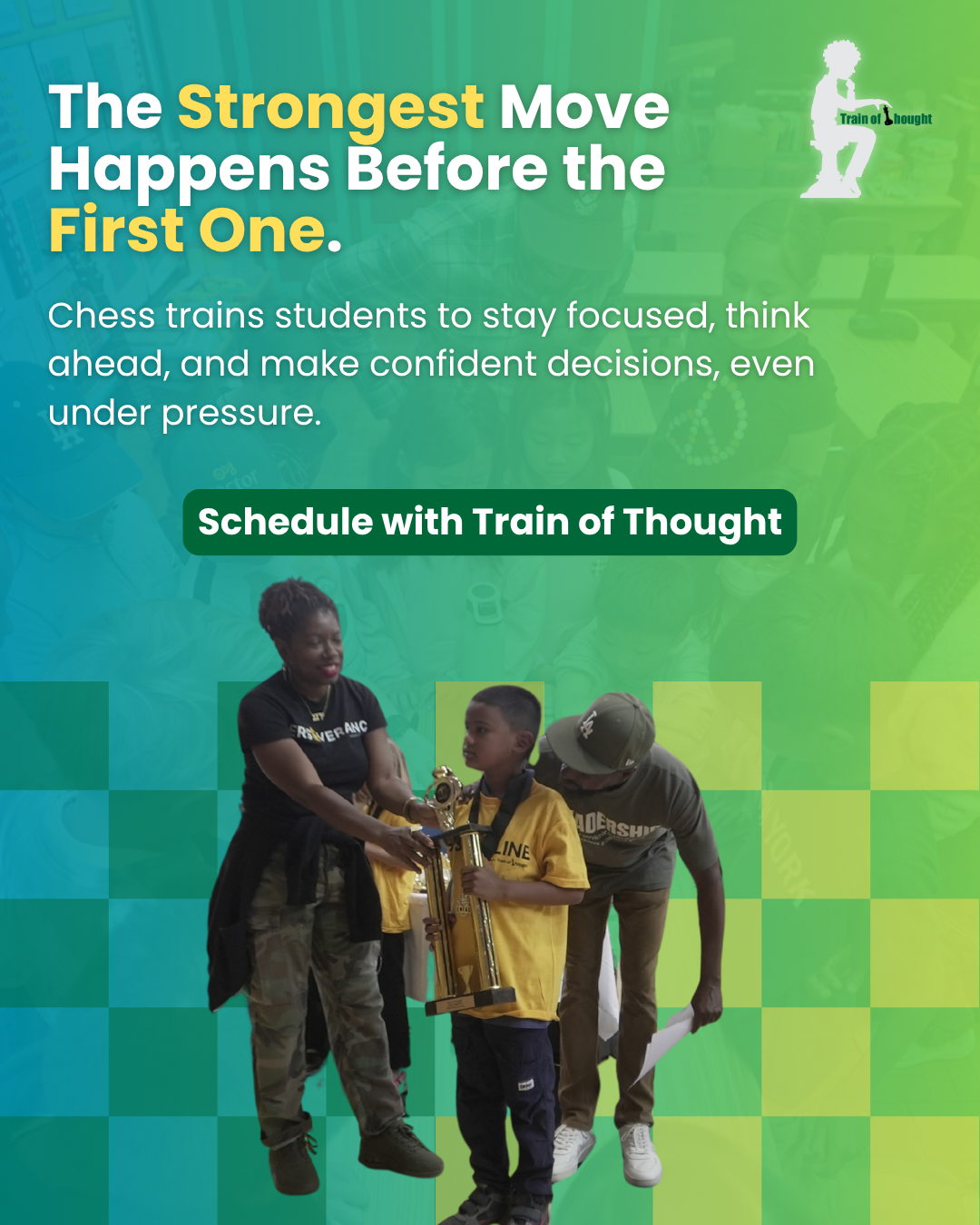
Seeing tangible improvements in their gameplay, students gain a deeper understanding of their potential. This growth is celebrated not just with trophies but with personal pride. The journey from a beginner to a skilled player is rewarding, fostering a mindset geared toward continuous improvement. Encouraging students to celebrate each milestone, no matter how small, ensures they recognize their growth and continue striving for more.
Building Teamwork Skills

Chess is often seen as an individual game, but the reality is that it also develops teamwork skills. Students learn that working together can lead to greater success.
Collaborative Strategies in Play
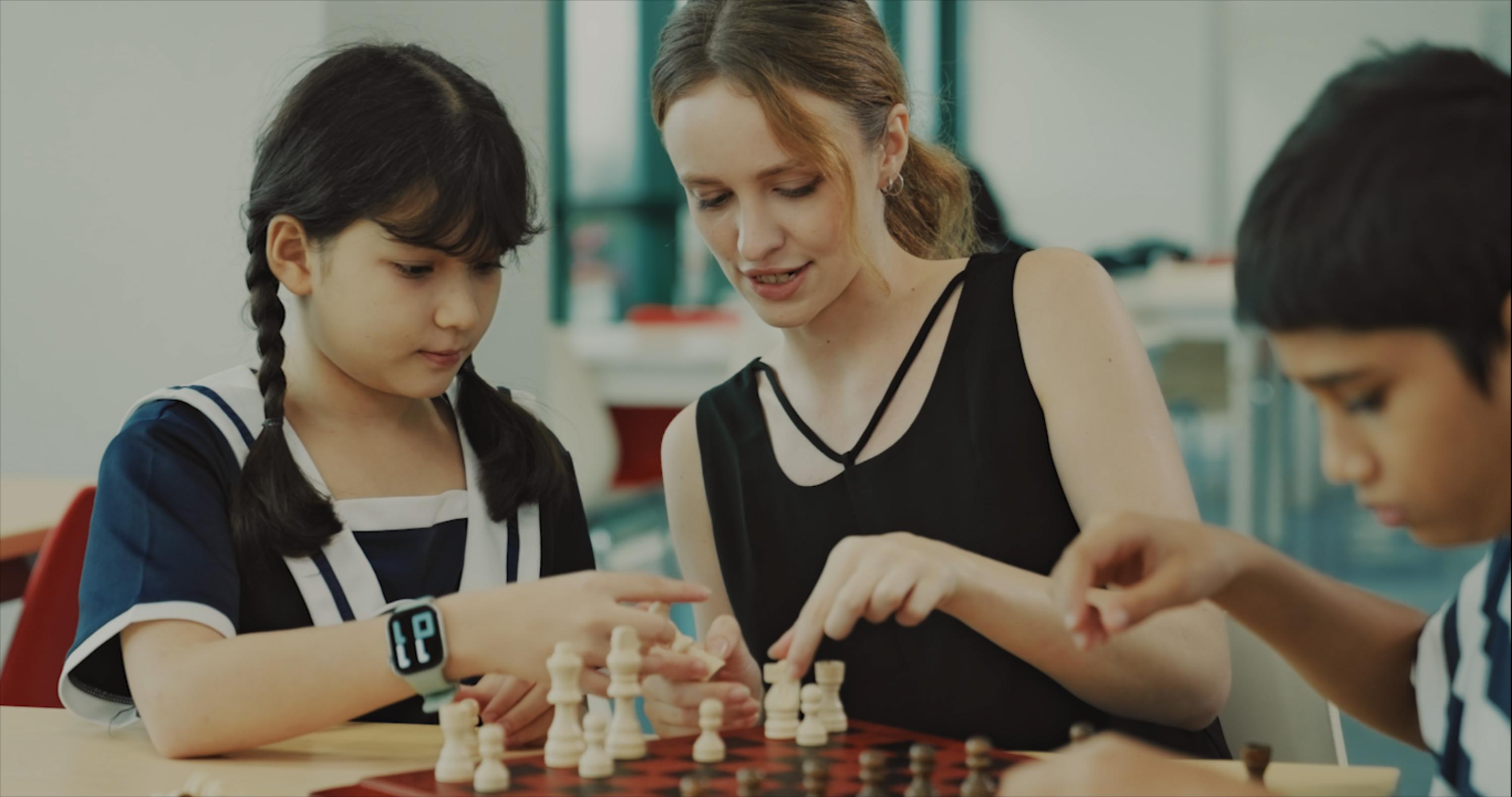
In chess, collaboration often takes the form of discussing strategies and learning from each other’s experiences. Students engage in thoughtful exchanges, sharing insights that might open up new perspectives on the game.
Imagine a group of students analyzing a game together. They point out different possible moves and predict outcomes, learning the importance of listening and valuing others’ opinions. This collaborative environment builds teamwork skills that are transferable to group projects and other team-based activities outside of chess. It teaches students the power of collective thinking and the strength found in diversity of thought. Discover more about the importance of participation in chess tournaments.
Learning from Peers
Students often learn best from one another. In a chess tournament setting, they observe and analyze the techniques of their peers. This peer-to-peer learning is invaluable, as it allows students to pick up new strategies and tips from one another.
Reflect on a young player watching an older student execute a complex opening. Inspired, they attempt to replicate the move, leading to a deeper understanding of the game. This exchange of knowledge fosters a supportive community where students feel comfortable exploring new ideas and learning from mistakes. It’s a reminder that growth in chess, as in life, is amplified when shared with others.
Empowering the Next Generation

Chess is more than a game; it’s a tool for empowering future leaders. It equips young minds with skills that go beyond the board.
Support from Community Members
The success of chess programs often hinges on the support from community members. Volunteers, coaches, and parents play a crucial role in creating an environment where students can thrive.
Community support provides the resources and encouragement students need to pursue their interests. When community members show up to tournaments, sponsor events, or mentor young players, they send a powerful message: “We believe in you.” This belief empowers students to pursue their dreams, knowing they have a supportive network behind them. Explore the relationship between chess and self-esteem.
Join Our Chess Initiatives 🌟
We invite you to be part of our mission to empower youth through chess. By joining our initiatives, you contribute to a community committed to nurturing the potential in every student. Together, we can create opportunities for students to develop confidence, teamwork, and leadership skills through chess.
Whether you’re a parent, educator, or community member, your involvement makes a difference. Let’s work together to provide students with the tools they need to succeed, both on and off the chessboard. The longer you wait to join, the more opportunities we miss to impact young lives positively. Become a part of this transformative journey today.