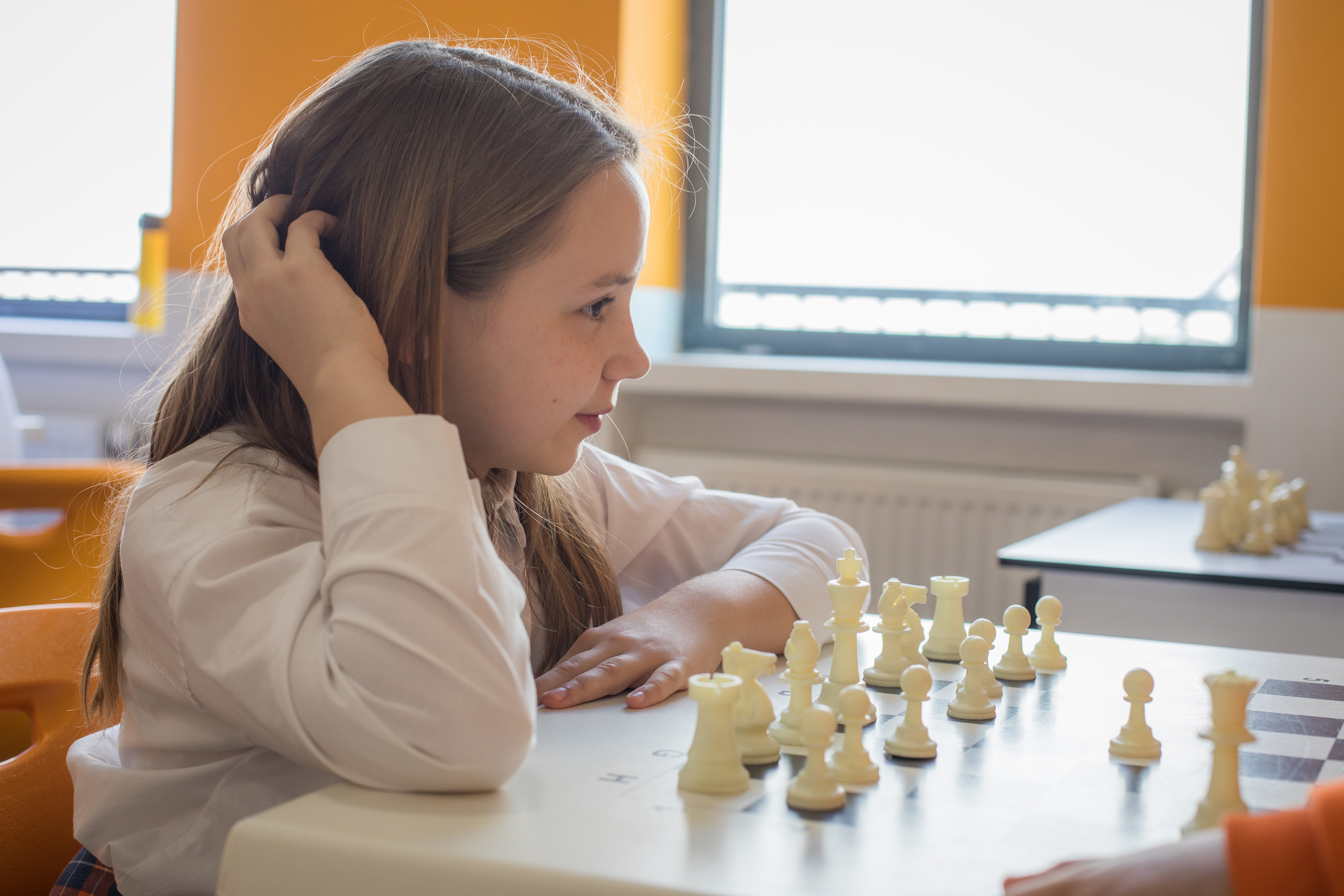
Unlocking Potential: Why Chess Should Be Part of Every School Curriculum
Most schools miss a simple tool that can sharpen your child’s mind and build leadership skills at the same time. Chess in schools offers more than just a game—it’s a proven way to boost cognitive development and empower students to think ahead. Let’s explore why adding a chess curriculum can change how your child learns and grows, both inside and outside the classroom. For more insights on this topic, check out this article.
Cognitive Benefits of Chess in Schools

Introducing chess into school programs opens the door to unique cognitive advantages for students. The game is more than a pastime; it’s a gateway to mental growth.
Enhancing Problem-Solving Skills
Chess encourages students to tackle problems head-on. Each move in chess requires thinking ahead and evaluating outcomes. Imagine your child assessing multiple scenarios, weighing pros and cons with every decision. This practice nurtures analytical skills that are essential for academic success. In fact, a study showed that students who played chess scored higher in problem-solving tasks.
Chess also teaches resilience. When a plan doesn’t work, your child learns to adapt quickly. This flexibility is crucial not only on the chessboard but in real-life challenges. As they say, “Most people think losing is bad, but it’s just a stepping stone in chess.”
Boosting Memory and Concentration
A strong memory is a game-changer in education. Chess requires players to remember complex patterns and strategies. As your child plays, their memory muscles strengthen, leading to improvements in other subjects.
Concentration is another skill honed by chess. In a world full of distractions, the ability to focus is invaluable. Chess players often show increased attention spans, which translates into better classroom performance. When students can concentrate longer, they learn more efficiently. Need proof? Check out how playing chess can boost academic learning.
Leadership Training Through Chess

Chess is not just about mental agility; it’s a powerful leadership training tool. By playing, students develop skills that prepare them to lead confidently.
Developing Strategic Thinking
Leadership requires strategic thought, and chess is a masterclass in strategy. Players learn to plan several moves ahead, considering both their actions and their opponents’. This foresight is essential in leadership roles.
Your child learns to think several steps ahead, a skill that transcends into planning and executing real-world projects. When faced with challenges, they’ll know how to craft a strategy that leads to success.
Building Confidence and Decision-Making
Making decisions with confidence is a trait of effective leaders. Chess teaches this by putting students in situations where they must make critical choices. Each move has consequences, teaching accountability and courage in decision-making.
As your child grows more confident in their choices on the board, this assurance spills over into their daily life. They learn to trust their instincts and back their decisions—skills that are crucial in any leadership position.
Personal Growth and Student Empowerment

Beyond academics and leadership, chess fosters personal growth and empowerment. It builds character traits that shape well-rounded individuals.
Fostering Patience and Perseverance
In chess, patience is more than a virtue; it’s a necessity. Players must wait for the right moment to make a move, teaching them the value of patience in achieving goals. This patience extends beyond the game, helping students approach tasks with calmness and clarity.
Perseverance is another cornerstone. Losing a game teaches resilience and the importance of trying again. Your child learns that setbacks are just setups for comebacks. This mindset is invaluable in overcoming life’s hurdles.
Encouraging Social Interaction and Teamwork
Chess is often perceived as a solitary game, but it’s a social activity too. Playing with peers fosters teamwork and communication skills. Students learn to articulate their thoughts and strategies, enhancing their social abilities.
Schools that incorporate chess often see improved social dynamics. Students from diverse backgrounds connect over the game, fostering inclusivity and community spirit. For more on how chess promotes social interaction, visit this blog.
Incorporating chess into school curricula is more than just adding a game; it’s about unlocking potential and preparing students for future success. By fostering cognitive, leadership, and personal development, chess equips students with tools they’ll use throughout life.
🌟♟️







