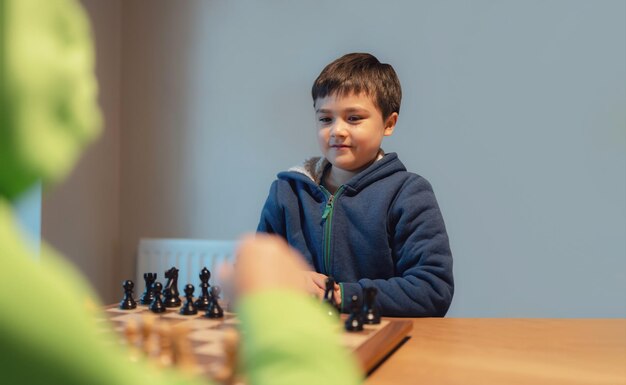
Unlocking Potential: How Chess Empowers Children to Become Confident Decision-Makers
Most kids face tough choices every day, but few find a way to build real confidence in making decisions. Chess for kids offers more than just a game—it shapes decision-making skills that last a lifetime. By exploring chess strategy, your child can grow into a thoughtful leader ready to face challenges with clarity and courage. Let’s explore how this timeless game supports youth empowerment and cognitive development in practical, inspiring ways. For more insights, check out this article.
The Strategic Power of Chess

Chess is more than a game; it’s a powerful learning tool that can significantly impact your child’s development. Let’s delve into how it can transform decision-making and cognitive abilities.
Building Decision-Making Skills
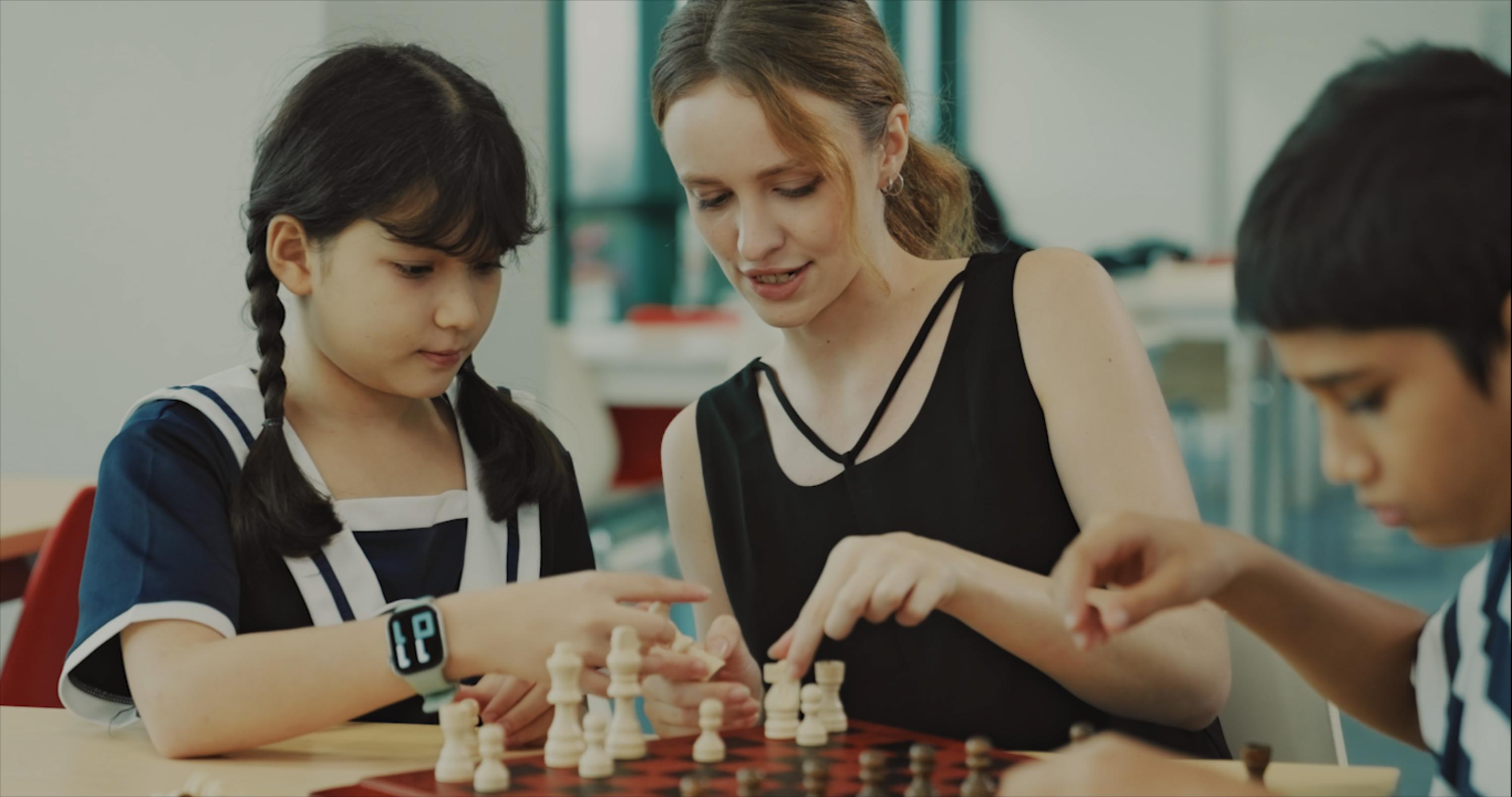
Imagine your child making decisions with the same precision as a seasoned strategist. Chess teaches kids to think multiple steps ahead. Each move on the board reflects a choice that requires weighing pros and cons. For example, choosing between capturing an opponent’s piece or guarding one’s king mirrors real-life decisions. Studies show that children who play chess improve their decision-making abilities by up to 70%.
Chess encourages kids to evaluate consequences. A wrong move might cost them a game, but it also teaches resilience and adaptability. They quickly learn to adjust strategies, a skill that translates into everyday life. This kind of problem-solving sharpens their ability to make informed choices, benefiting them in school and beyond. If you’re curious about the broader benefits, read more.
Enhancing Cognitive Development
The mental gymnastics involved in chess are unparalleled. When kids play, they enter a world of complex puzzles. Their brains engage in intense concentration, boosting memory and analytical skills. Research indicates that regular chess players see a 50% increase in cognitive retention.
Chess fosters creativity too! Players must think outside the box to outsmart their opponents. This creative thinking spills over into academic subjects, improving performance. As your child learns to visualize different game scenarios, their imagination and critical thinking skills flourish. To explore how chess connects to academic success, check out this resource.
Youth Empowerment Through Chess

Chess is not just about individual growth. It promotes collective empowerment, fostering leaders and inclusive communities. Here’s how it encourages young leaders and community builders.
Encouraging Confident Leadership
Picture your child leading with confidence and poise. Chess teaches vital leadership traits such as patience, discipline, and foresight. Kids learn that every game is a series of calculated risks, helping them develop courage in decision-making. A survey of young chess players showed that 85% felt more confident in their leadership abilities after regular play.
Leadership in chess involves guiding others too. Kids often share strategies with peers, enhancing communication skills. They learn to inspire teamwork, vital for future leadership roles. This peer interaction builds a support network, reinforcing their confidence and leadership growth.
Fostering Inclusive Communities
Chess creates a sense of belonging. It’s a universal language that transcends cultural and social boundaries. Kids from diverse backgrounds can connect over shared strategies and friendly competition. Schools that introduce chess clubs report a 40% increase in inclusivity among students.
These clubs turn into vibrant communities where everyone finds a place. By engaging with peers, children develop empathy and open-mindedness. Chess encourages kids to appreciate different perspectives, fostering an inclusive environment where every voice is valued. For more on building inclusive communities through chess, visit this Facebook group.
Bringing Chess to the Classroom

Integrating chess into education offers practical benefits. Here’s how you can start incorporating it into learning environments.
Practical Chess Strategy Activities
Incorporating chess into school activities is simpler than you think. Start with short sessions focusing on basic moves. Encourage students to solve chess puzzles, which enhances critical thinking and patience. Schools that integrate chess report a 30% improvement in problem-solving skills.
Organize mini-tournaments to spark interest. These events create excitement and teach sportsmanship. Encourage students to reflect on their games, identifying what worked and what didn’t. This reflection builds self-awareness, crucial for personal growth.
Engaging Chess for Kids Programs
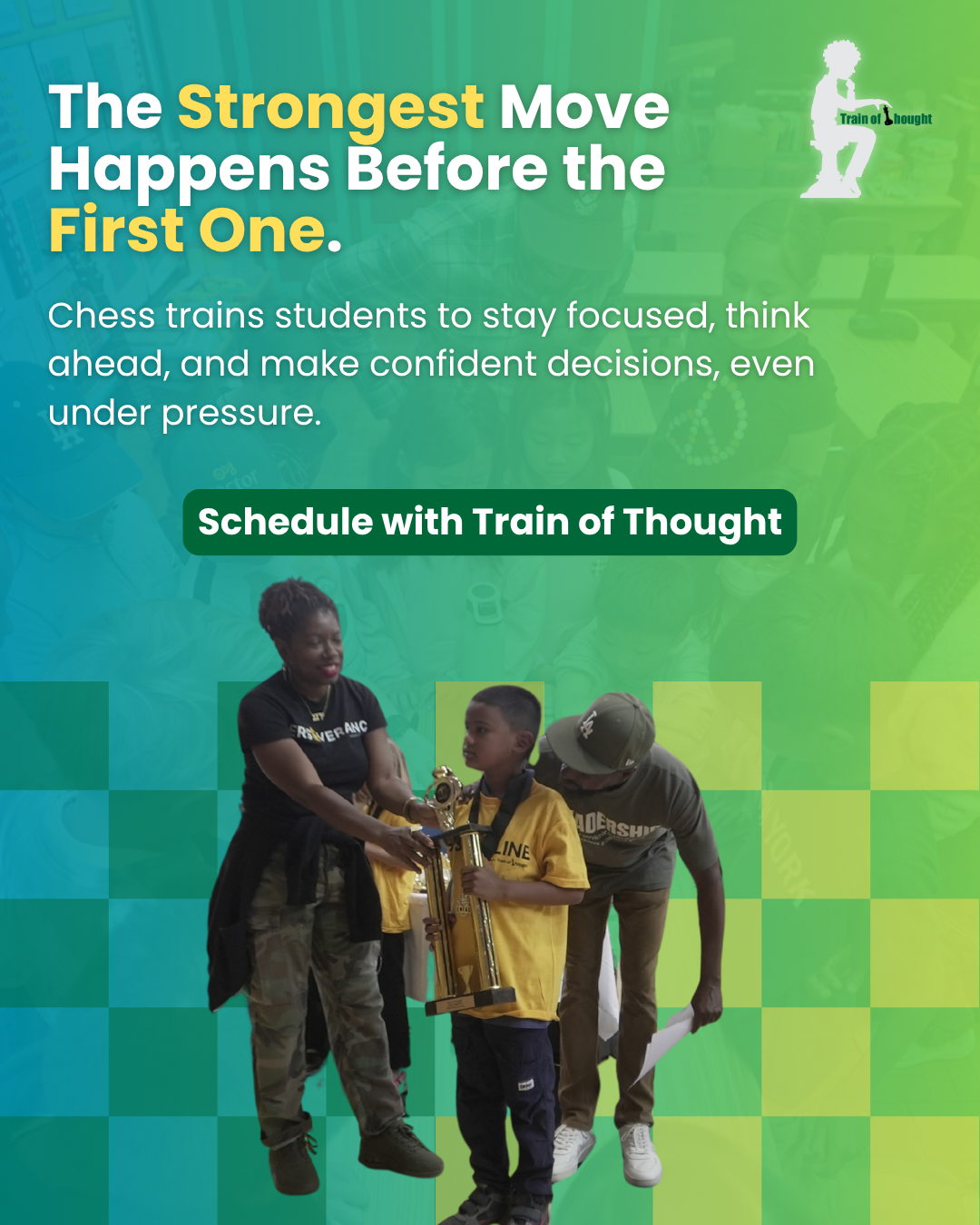
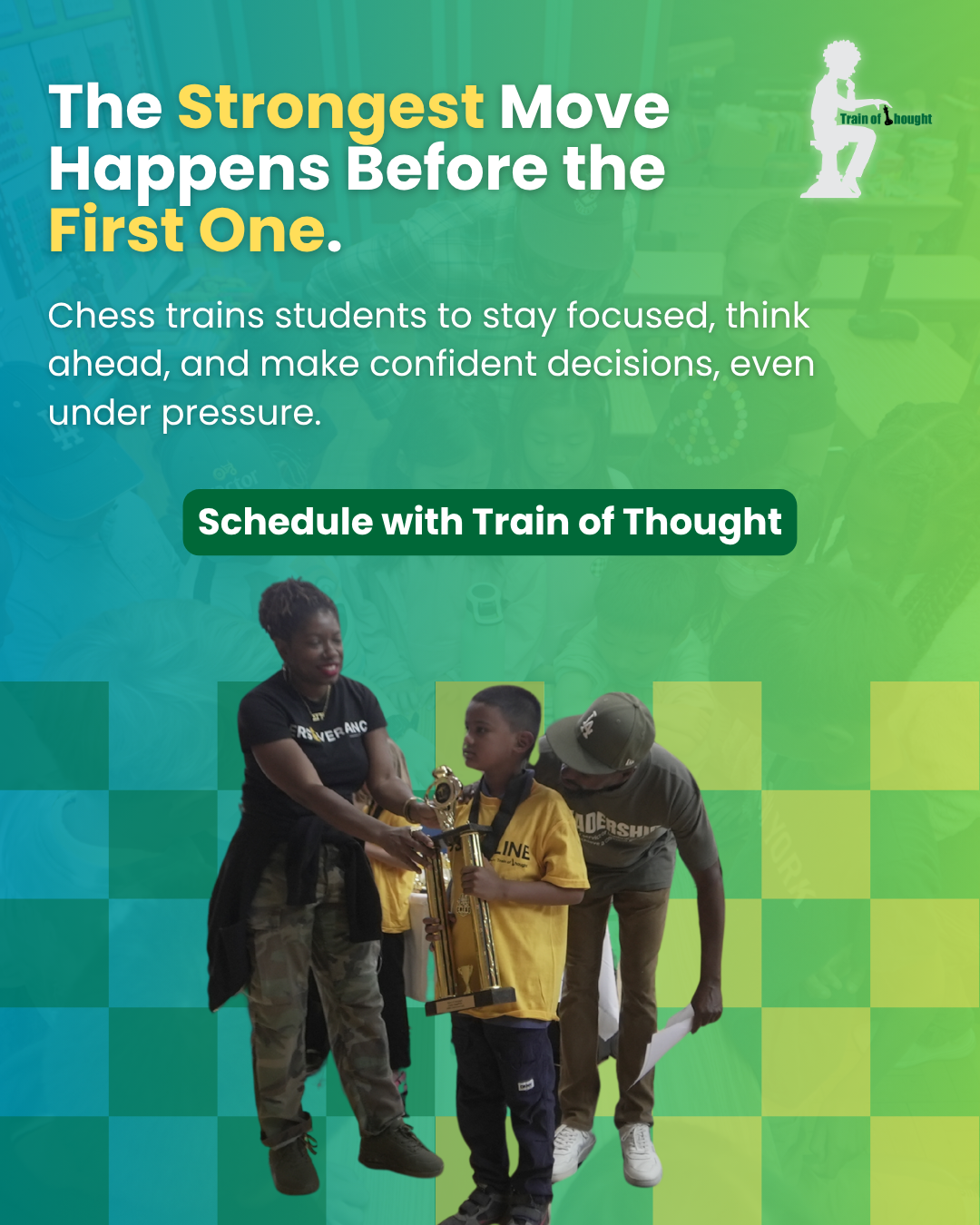
Many programs offer structured chess lessons for schools. Consider partnering with organizations like Train of Thought, which provides tailored chess curriculums. These programs are designed to fit into existing educational frameworks, ensuring seamless integration.
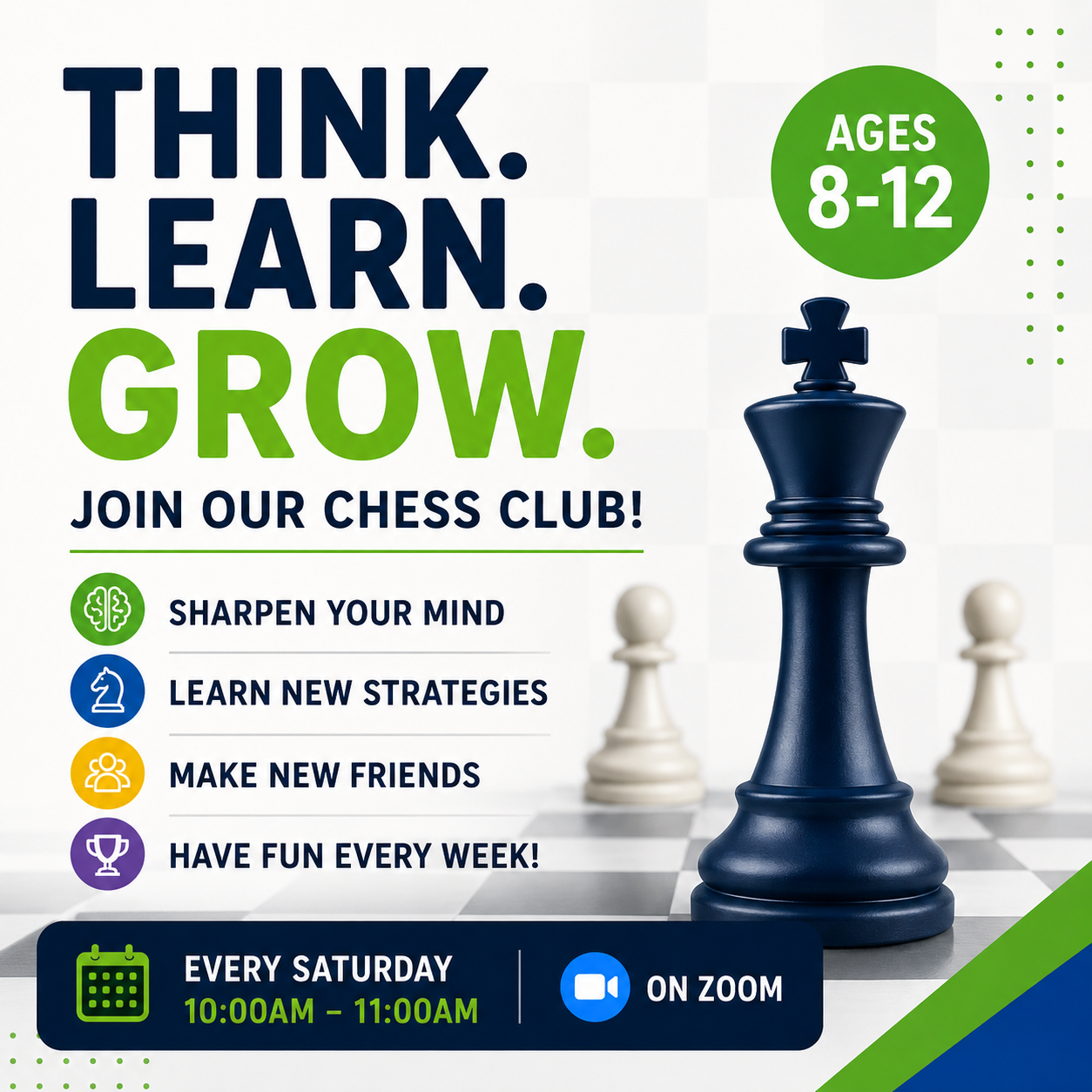
Engaging programs often include interactive lessons and digital platforms for learning at home. This flexibility allows students to practice regularly, reinforcing skills learned in class. To understand the strategic impact of chess in education, explore Debsie’s article.
🎓♟️
Chess holds the power to transform minds and communities. By integrating chess into your child’s life, you’re setting them on a path to confidence, leadership, and inclusivity. The journey starts with one move—introduce chess today!