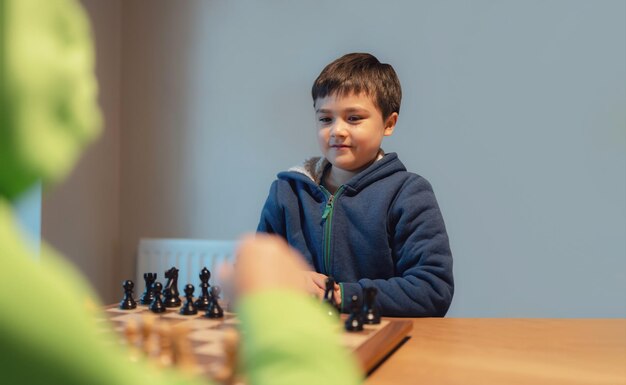
Unlocking Hidden Strengths: The Surprising Mental Benefits of Chess for Children
Most parents know chess sharpens minds, but the full story goes far beyond the board. Children who play chess regularly show remarkable gains in cognitive development, critical thinking, and even leadership skills. Our educational chess programs don’t just teach moves—they build strengths that shape young leaders. Keep reading to see how your child can grow in ways you might not expect. Learn more about how chess enhances cognitive skills.
Surprising Cognitive Benefits

Have you ever wondered how a simple game can unlock so much potential? Chess is more than a game; it’s a tool that strengthens the mind. It opens pathways to deeper thinking and helps kids see the world in a new way.
Boosting Critical Thinking
Imagine watching your child make a tough decision. Chess teaches them to weigh options and think ahead. Studies show that kids who play chess improve their critical thinking skills by up to 17% each year. This means they become better at understanding complex ideas and making connections. They learn to approach problems methodically, breaking them down into manageable parts. This skill isn’t just useful on the board—it’s a superpower for school and life.
Most people believe only a few kids can be great at chess, but that’s not true. Every child can benefit from the mental workout this game provides. Picture your child facing a challenging math problem. Thanks to chess, they can tackle it with confidence and creativity. So, when your child plays chess, they’re preparing for more than just the next move—they’re gearing up for life’s challenges.
Enhancing Problem-Solving Skills
Chess is a puzzle waiting to be solved, and kids love puzzles! Solving one requires patience and determination. In a game with countless possibilities, each move presents a new problem to solve. Kids learn to analyze these problems and figure out the best solution. This isn’t just guesswork; it’s strategic thinking in action.
A study highlighted on Building Brains reveals that chess players often excel in subjects like math and science. They become adept at recognizing patterns and using logic to solve problems. Chess helps them understand that failure is just a step toward success, making them more resilient and adaptable.
The longer you wait to introduce your child to chess, the more opportunities they miss to develop these vital skills. Give them the chance to explore, learn, and grow with each game they play.
Building Character Through Chess

Beyond sharpening the mind, chess builds character. It teaches values that shape who we are as individuals. This section explores how chess fosters traits like leadership, patience, and resilience, essential for personal growth.
Developing Leadership Skills
Leadership isn’t just about being in charge. It’s about making decisions, guiding others, and inspiring them to achieve more. Chess teaches your child to lead by example. As they learn the game, they understand how each piece has its role, much like every team member. They learn to see the big picture and strategize effectively.
Kids who play chess often display improved decision-making skills, both in and out of school. They gain the confidence to take initiative and the wisdom to guide others. This isn’t just a claim; it’s a reality for many students who have embraced chess.
Many people think leadership can’t be taught, but chess proves otherwise. It’s a fun and engaging way for kids to learn how to take the lead, both on the board and in life.
Fostering Patience and Resilience
In a world where everything moves fast, patience is a rare virtue. Chess is a game of patience. Players must wait for their turn, think carefully, and act mindfully. This teaches kids that sometimes, the best results come from waiting.
Each game is a journey with ups and downs. Kids learn to handle setbacks gracefully, understanding that persistence pays off. They develop resilience by bouncing back from losses and learning from mistakes.
Chess teaches that the path to success is paved with patience and persistence. This lesson carries over into school, friendships, and future challenges.
Educational Chess Programs Impact

Chess isn’t just a solitary activity. Our programs foster a community where kids learn and grow together. They share experiences, celebrate victories, and support each other through challenges.
Testimonials from Students and Educators
Our students and educators have seen firsthand how chess transforms lives. Kids gain confidence, become more focused, and improve academically. Teachers notice that students engaged in chess show better concentration and participation in class.
A teacher from one of our partner schools shared, “Chess has made a remarkable difference in my classroom. Students are more engaged and eager to learn. It’s incredible to see their growth.”
Students themselves express how chess has improved their ability to think critically and solve problems. They describe it as a fun way to challenge themselves and develop new skills. Discover more about the benefits of chess here.
Join Our Community of Learners
Are you ready to see your child thrive? Our educational chess programs offer more than just a game. They open doors to new opportunities and empower students to reach their full potential.
Join a community that values growth, learning, and support. Together, we can help your child discover strengths they never knew they had. Explore how your child can benefit from chess.
Chess isn’t just a game—it’s a journey. A journey where every move counts, every challenge is an opportunity, and every player can become a leader. Let’s take this journey together and unlock your child’s hidden strengths.