Unleashing Potential: How Chess Builds Resilience, Patience, and Confidence in Students
Chess education is more than just learning moves on a board—it builds real strength in young minds. When students face challenges, the patience and resilience they develop through chess help them keep going. At Train of Thought, we see firsthand how these skills boost student confidence and shape future leaders. Let’s explore how social-emotional learning through chess supports youth development and creates lasting impact. For more insights, check out this article.
Building Resilience Through Chess

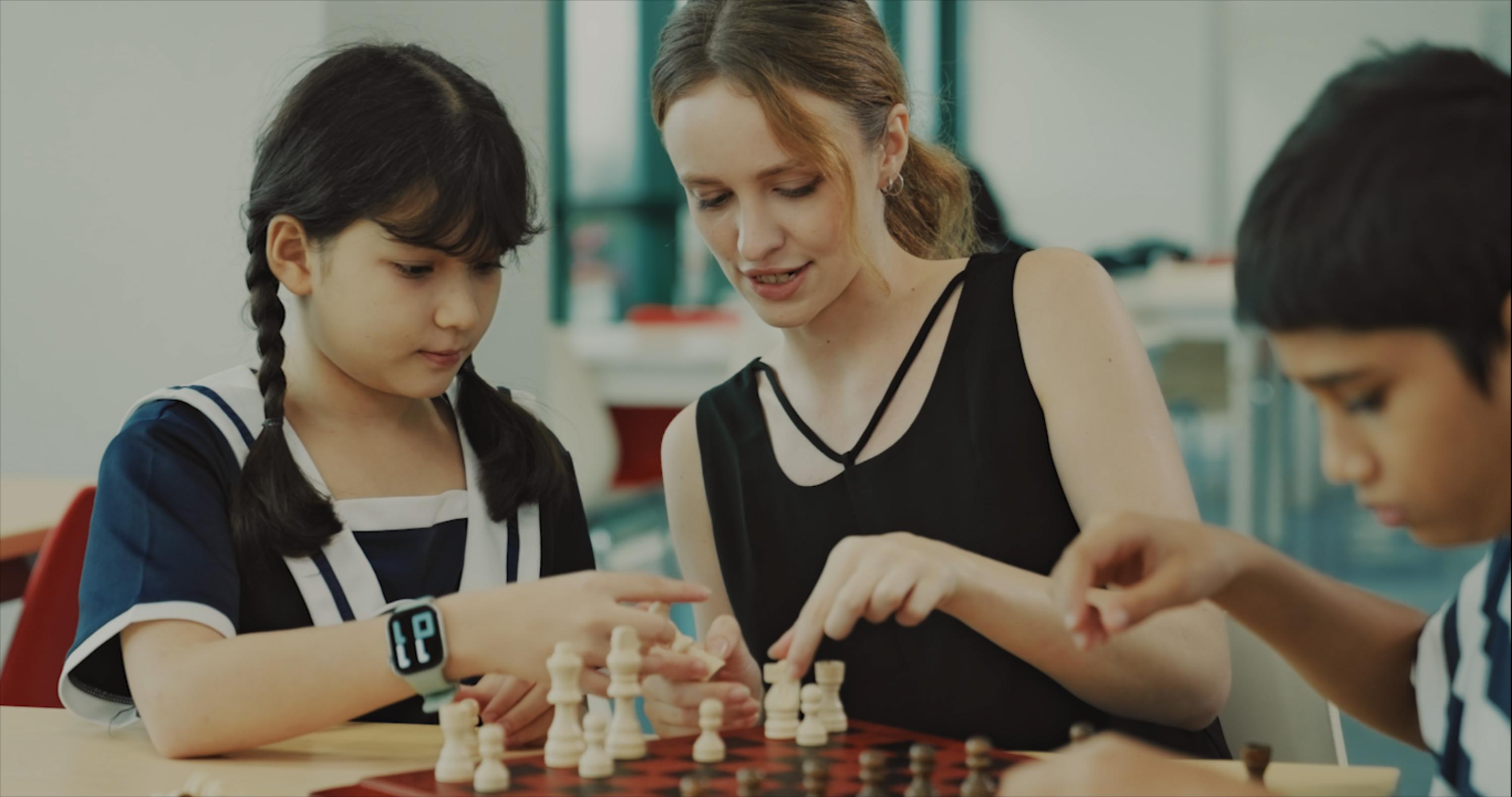
Chess is more than a game. It’s a battlefield where young minds learn to thrive amid challenges. When a student strategizes their next move, they’re not just planning—they’re building resilience.
Overcoming Challenges with Strategy
Imagine a chessboard. Each piece represents a new hurdle. Your child learns to navigate these obstacles, fostering a mindset that embraces challenges. This strategic thinking sharpens their ability to tackle real-life issues. For instance, when a student faces difficulty in math, they recall the patience and creativity from chess, applying it to solve complex problems. This is how chess education enhances students’ resilience, enabling them to emerge stronger with each challenge they conquer.
Developing Mental Fortitude
Chess requires mental endurance. Each game demands focus and determination. When students engage in this intense mental exercise, they’re training their minds for life’s unexpected twists. Picture a student facing a tight game. Their persistence in pursuing a win builds mental toughness. This skill translates to the classroom, where they stay committed to their studies, regardless of setbacks. This fortitude is a key aspect of youth development that chess nurtures.
For an in-depth look at how chess builds mental strength, visit this article.
Fostering Patience in Young Minds

Transitioning from resilience, patience is another essential skill chess cultivates. When students learn to wait and plan, they develop a deeper understanding of their surroundings and relationships.
The Art of Waiting and Planning
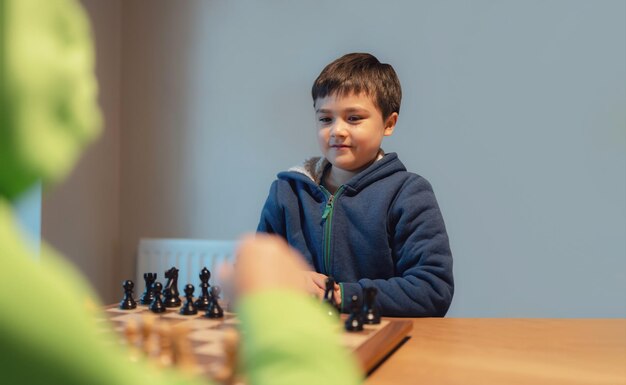
Chess teaches students the value of patience. Each move requires careful thought, waiting for the perfect moment to strike. This skill is valuable beyond the board. In real life, when children learn to pause and reflect, they make better decisions. A child planning a school project can apply this patience, ensuring their work is thoughtful and thorough. This strategic patience sets the foundation for long-term success.
Long-Term Benefits of Patience
Patience is a virtue that yields lifelong benefits. It helps students in their academic journey and social interactions. By learning to wait, they improve their ability to collaborate and communicate effectively. This patience also supports emotional growth, allowing students to manage stress and frustration more effectively. Over time, these benefits lead to more harmonious relationships and a balanced approach to life’s challenges.
For more insights on the benefits of chess, explore this resource.
Boosting Student Confidence

A confident student believes in their potential to achieve. Chess empowers students by celebrating their successes and encouraging leadership.
Celebrating Small Wins
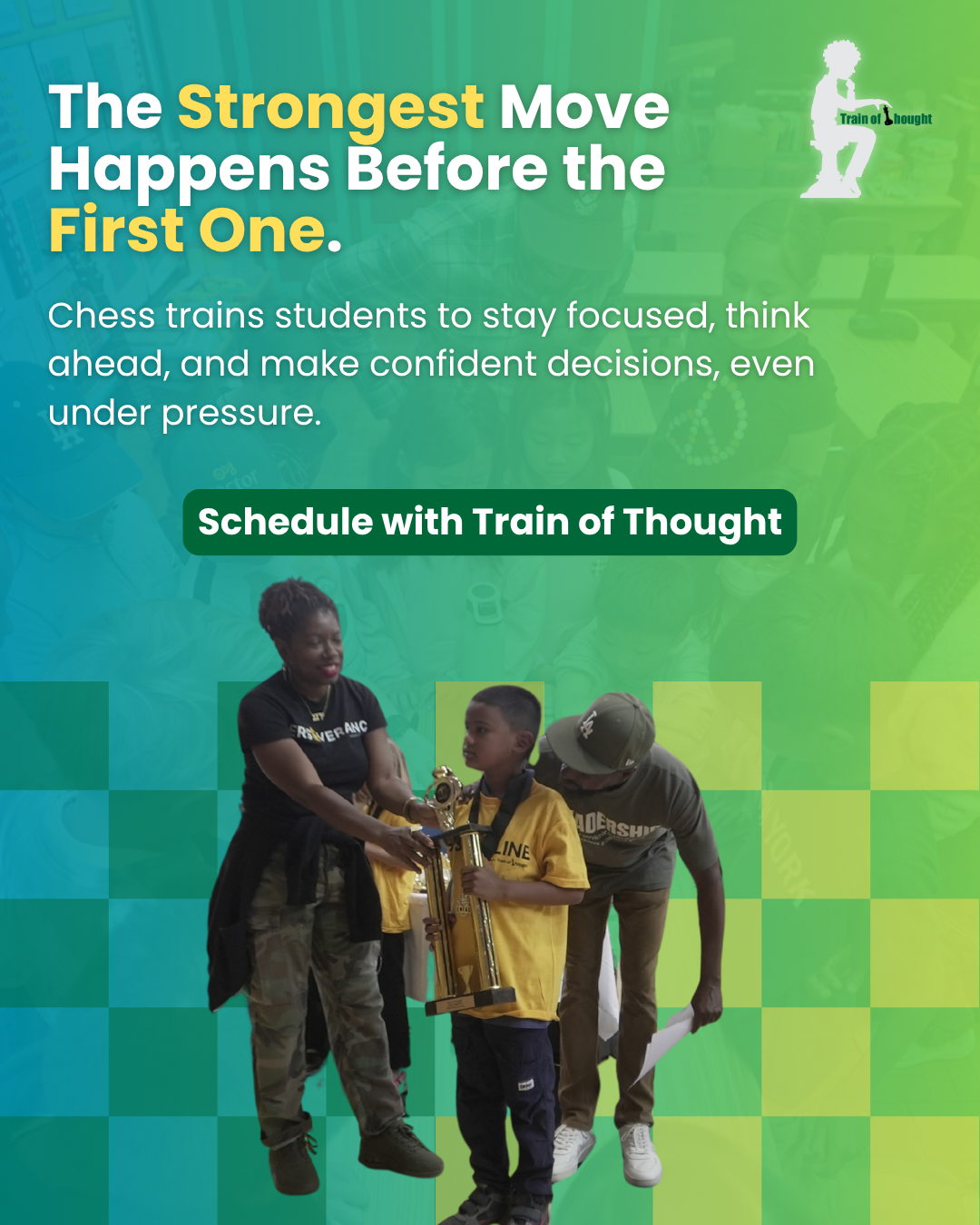
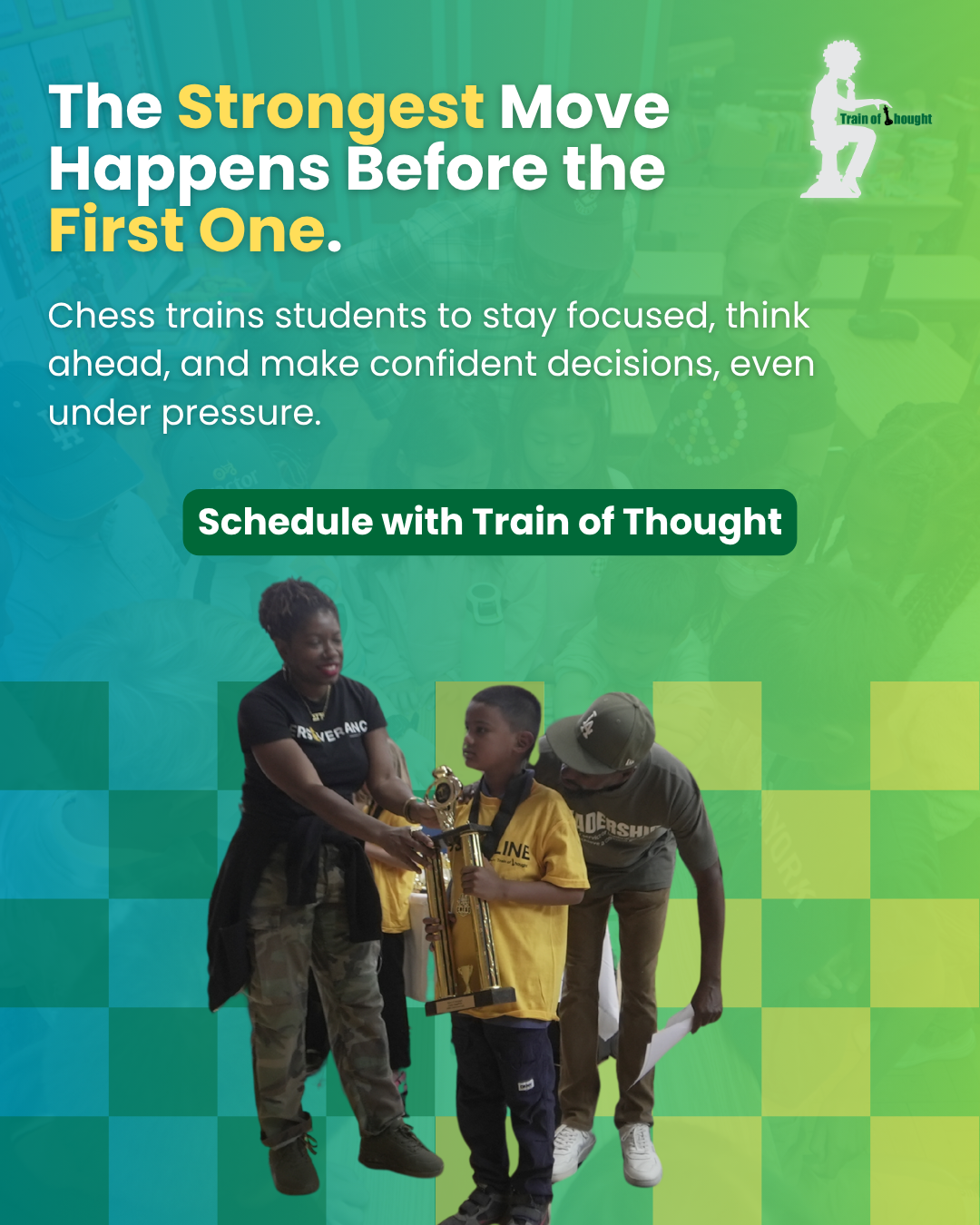
In chess, every victory, big or small, is a reason to celebrate. Recognizing these wins boosts students’ self-esteem and motivation. When students solve a tricky puzzle or win a match, they experience a surge of confidence. This newfound assurance carries into their academic life, where they approach challenges with a positive attitude. Celebrating these small victories reinforces their belief in their abilities.
Encouraging Leadership and Initiative
Chess encourages students to take the lead, thinking ahead and making decisions. This fosters leadership qualities. As they anticipate opponents’ moves, they’re learning to strategize and take initiative. These skills translate to leadership roles in school and the community. They’re not just followers; they’re leaders capable of inspiring change and innovation.
Join our community and share your experiences. Visit our Facebook group to connect with other chess enthusiasts.
🎯✨🌟
Chess education plays a crucial role in building resilience, patience, and confidence in students. By participating in programs like Train of Thought, children gain skills that extend beyond the board, supporting their overall development. Encourage your child to embark on this journey today!