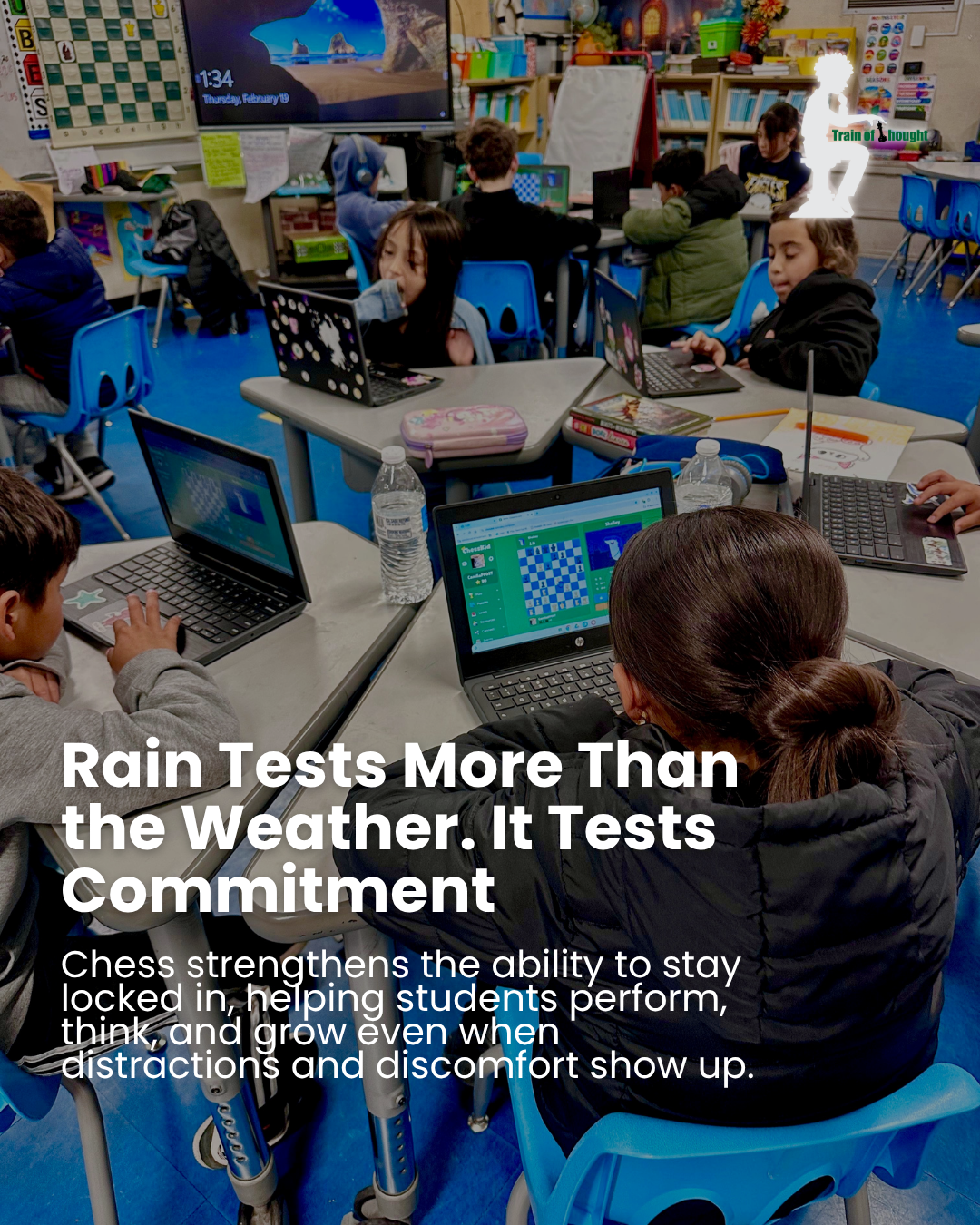
Most after-school programs focus on keeping kids busy, but few build skills that last a lifetime. K-12 chess education does more than teach moves on a board—it shapes critical thinking skills, confidence building, and student leadership that students carry beyond the classroom. At Train of Thought, we guide young minds to think ahead, make smart choices, and grow into leaders. Ready to see how chess can change your child’s path? https://trainofthoughtblog.org/2026/04/19/move-by-move-how-chess-builds-critical-thinking-confidence-and-leadership-in-k-12-students/
Chess as a Tool for Growth

Chess isn’t just a game; it’s a tool that shapes young minds. As we explore the benefits, you’ll see how chess fosters skills that last a lifetime.
Building Critical Thinking Skills
Chess teaches you to think several steps ahead. It’s not just about moving a piece; it’s about strategy and anticipating your opponent. A study found that students who play chess show a 17.3% annual increase in critical thinking skills. This boost in mental agility helps in math, science, and beyond.
Moreover, chess encourages problem-solving. Each game presents a new set of challenges, pushing you to find creative solutions. This skill transfers to schoolwork, where you face different kinds of problems daily. Chess teaches you to evaluate options and consider consequences, making it an effective tool for developing critical thinkers.
Boosting Confidence in Students
Confidence grows with each game. Winning isn’t the sole focus; it’s about learning from each match. This process of trial and error fosters resilience. Players learn to bounce back from losses and celebrate small victories. This builds a strong sense of self-belief.
The skills learned in chess extend beyond the board. As confidence builds, students become more willing to participate in class and take on leadership roles. They start to see challenges as opportunities rather than obstacles.
Developing Student Leadership
Leadership isn’t just about telling others what to do. It’s about making strategic decisions and inspiring peers. Chess teaches these skills naturally. Players must make choices under pressure and learn from outcomes, a key aspect of leadership.
Chess programs offer more than just matches. Students often lead clubs or mentor younger players. This experience translates to real-world leadership, where strategic thinking and decision-making are crucial. By playing chess, students learn to lead with confidence and purpose.
Programs That Empower Students

Chess education offers unique benefits that go beyond traditional classrooms. Let’s explore how these programs make a difference.
After-School Chess Program Benefits
After-school chess programs provide a safe and engaging environment. They offer a chance to develop skills like critical thinking and teamwork. These programs are more than just an activity; they are a path to cognitive growth.
These programs also help with social-emotional learning. Students learn to handle wins and losses gracefully, building emotional intelligence. They practice patience and discipline, which are valuable in and out of school. Chess clubs foster a sense of belonging, creating a supportive community for all participants.
School Chess Curriculum Highlights
Integrating chess into the school curriculum enhances learning. It’s not just about learning moves; it’s about developing strategic minds. Chess aligns with educational standards, offering a fun way to meet learning goals.
Students explore concepts like patterns and probabilities, which are fundamental in subjects like math and science. With chess, lessons come to life, making learning more engaging. Schools see improved academic performance when chess is part of the curriculum, showcasing its educational impact.
Leadership Workshops for Youth
Leadership workshops through chess are transformative. They focus on developing skills like communication and strategic planning. Students learn to lead by example, gaining insights into effective teamwork.
These workshops often include real-life scenarios where students apply their skills. By solving complex problems, they gain confidence and learn the value of collaboration. Chess-based workshops are an excellent way to prepare students for leadership roles in school and beyond.
Community and Educational Impact

The impact of chess extends beyond individual students. It touches schools, families, and communities, creating a ripple effect of positive change.
Educational Partnerships and Support
Partnerships with educational institutions strengthen the reach of chess programs. Schools and districts collaborate to integrate chess into their curricula, enhancing student development. These partnerships highlight the value of chess as an educational tool.
Support from community organizations and businesses further amplifies the impact. By working together, we create more opportunities for students to benefit from chess, ensuring lasting change.
Success Stories in Title I Schools
Title I schools often face unique challenges, but chess programs offer hope. Success stories abound, with students showing improved academic performance and behavior. Chess provides a level playing field, offering equal opportunities for all students.
In these schools, chess becomes a tool for empowerment. It helps break down barriers, fostering a culture of achievement and resilience. The positive effects on students’ lives demonstrate the transformative power of chess.
Engaging Community through Tournaments
Tournaments are more than competitions; they are community events. They bring together students, families, and educators, creating a shared sense of purpose. These events showcase students’ hard work and dedication, celebrating their growth.
Tournaments also raise awareness about the benefits of chess education. They inspire others to get involved, expanding the reach of chess programs. By engaging the community, we ensure that the impact of chess continues to grow.
🎓♟️🌟
Chess offers a unique opportunity to inspire and empower students. As we continue to expand our programs and partnerships, we invite you to join us in making a difference. By supporting chess education, you invest in a brighter future for our children and community.