Checkmates and Changemakers: Why Community-Based Chess Programs Matter for Youth Development
Community chess programs do more than teach kids how to play a game. They build critical thinking skills, foster character development, and open doors to leadership opportunities in ways that classroom lessons alone can’t. At Train of Thought, we’ve seen these benefits firsthand—especially in underserved communities where after-school chess becomes a lifeline for growth. Let’s explore how K-12 chess education can shape confident, strategic young leaders ready to take on the world. For more insights on the impact of chess on youth development, visit this article.
Power of Community Chess Programs

Chess is more than a game. It’s a tool that shapes young minds. Community chess programs provide unique opportunities to develop vital skills for life. Let’s dive into how these programs change lives.
Building Critical Thinking Skills
Imagine your child learning to think two steps ahead in every situation. Chess teaches kids to assess the board, anticipate their opponent’s moves, and devise strategies. Studies show chess players improve their critical thinking abilities by 17.3% annually compared to non-players. The strategy involved in playing chess mirrors real-life problem-solving, helping kids become better thinkers. They learn to adapt, plan, and execute, equipping them for challenges beyond the chessboard.
Chess also enhances cognitive development. When students play, they engage in an activity that strengthens their memory and concentration. These cognitive skills are crucial in academic settings, allowing students to perform better in various subjects. Imagine the confidence boost when your child can easily solve complex problems in school because of the skills honed in chess clubs.
Fostering Character Development
Chess isn’t just about winning; it’s about learning. The game teaches patience, perseverance, and humility. Kids learn that losing a game is an opportunity to grow, not a setback. This mindset fosters resilience and a growth mindset, essential traits for personal development. A study found that regular chess players often show improved behavior and motivation in school. They learn respect for opponents and the importance of fair play, lessons that extend to everyday interactions.
Character development through chess is also about building confidence. As kids improve, they gain self-assurance in their abilities. This newfound confidence spills over into other areas of life, encouraging them to tackle challenges head-on. Chess becomes a metaphor for life, teaching kids to navigate complexities with grace and determination.
Encouraging Student Leadership
Chess creates leaders by teaching strategic thinking. Young players learn to assess situations and make informed decisions. This strategic mindset is the foundation of leadership. Chess clubs often host tournaments, providing students with a platform to showcase their skills and leadership qualities. Imagine your child leading their team to victory, making decisions that affect the outcome. These experiences build leadership skills that are invaluable in school and beyond.
Furthermore, chess encourages peer mentorship. Older or more experienced players often guide younger ones, fostering a supportive environment. This mentorship cultivates a sense of community and responsibility, essential leadership qualities. Students learn to work collaboratively, communicate effectively, and motivate others—skills that will serve them well into adulthood.
Benefits of K-12 Chess Education

Chess education is a game-changer in schools. It offers cognitive and emotional growth opportunities, shaping students into well-rounded individuals. Let’s explore the specific benefits of K-12 chess education.
Cognitive and Social Emotional Growth
Chess is a powerful tool for cognitive development. Research shows that students who play chess improve in reading and math at rates 1.5 to 2 times faster than non-players. The game enhances memory, concentration, and problem-solving skills, leading to better academic performance. Chess also supports social-emotional learning by teaching empathy and emotional regulation. As students interact with opponents and teammates, they learn to manage emotions and develop social skills.
Social-emotional growth through chess is about building relationships. Students learn to communicate, collaborate, and support one another. These interactions create a sense of belonging and foster a positive school environment. Chess becomes a safe space for students to express themselves and learn from others, promoting inclusivity and acceptance.
Leadership Through Chess Tournaments
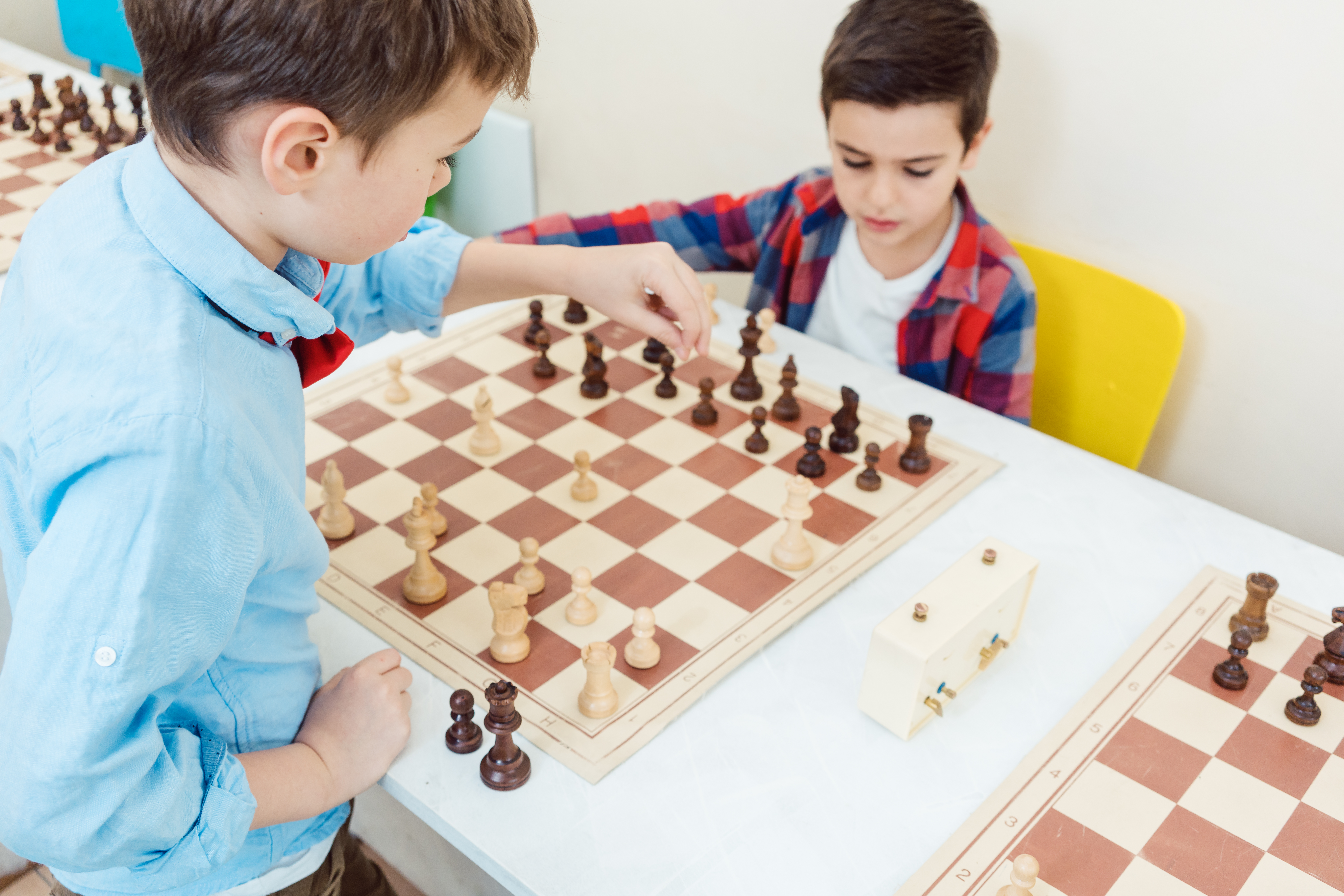
Chess tournaments are platforms for leadership development. Students learn to make strategic decisions under pressure, a key aspect of leadership. They also gain experience in public speaking and teamwork. In tournaments, students represent their schools, showcasing their skills and sportsmanship. These experiences build confidence and prepare them for future leadership roles.
Leadership through chess is about empowerment. Students realize their potential and learn to lead by example. They inspire peers, mentor younger players, and contribute to a supportive community. These leadership experiences are transformative, shaping students into proactive, responsible individuals ready to make a difference.
Enriching After-School Chess Activities
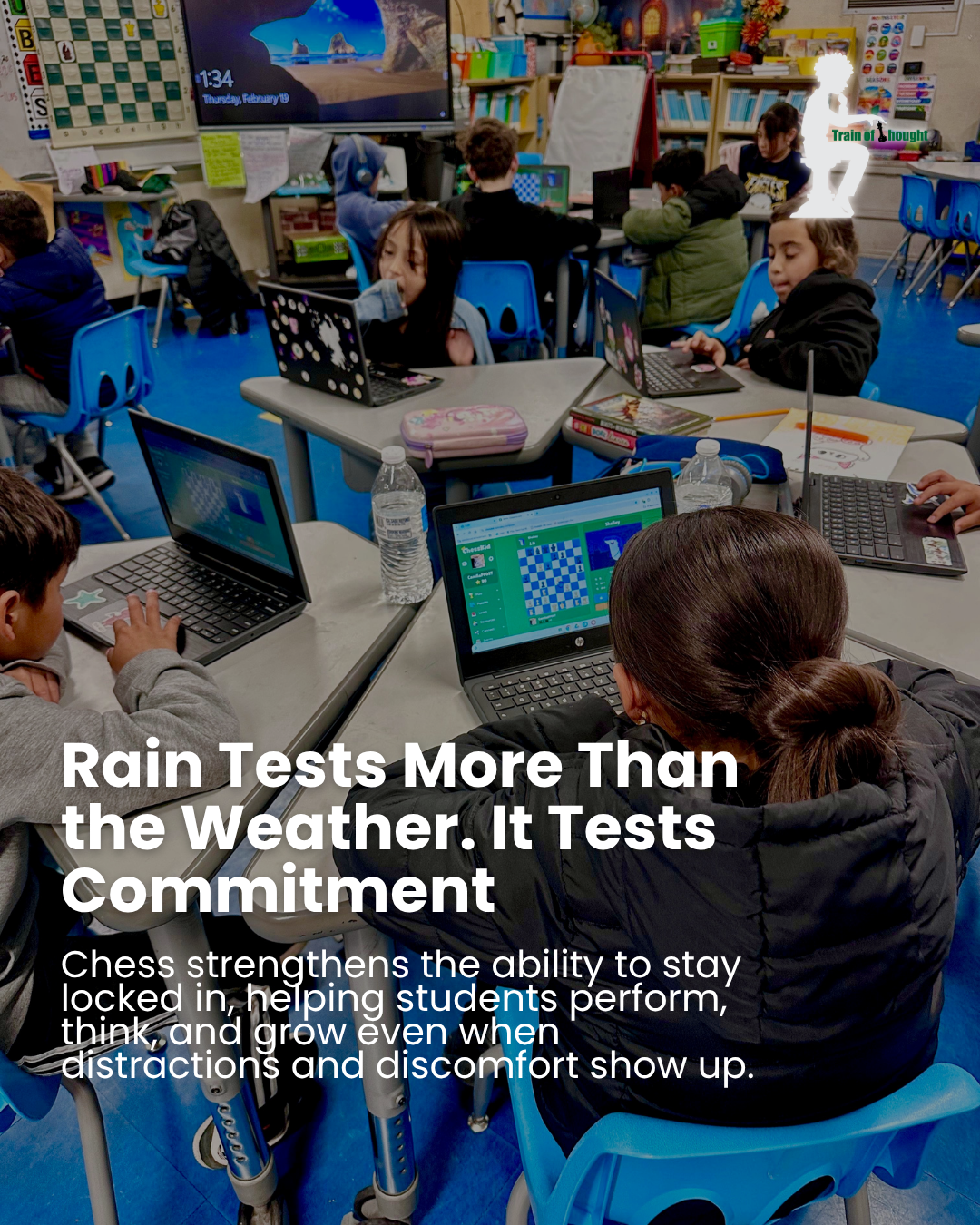
After-school chess programs provide enriching experiences for students. These programs offer a safe, structured environment for learning and growth. Students engage in activities that enhance their skills and foster creativity. After-school chess is more than just practice; it’s a place for exploration and fun.
In these programs, students participate in various activities, from solving puzzles to playing friendly matches. They learn to think critically, communicate effectively, and collaborate with peers. These experiences enrich their education and contribute to personal development. After-school chess becomes a hub for creativity, innovation, and friendship.
Train of Thought’s Impact and Opportunities

Train of Thought is making a difference in the lives of young people through chess. Our programs empower students and create opportunities for growth and success. Let’s explore how we partner with schools and communities to support youth development.
Partnering with Schools and Communities
Train of Thought collaborates with schools to integrate chess into the curriculum. Our partnerships provide students with access to high-quality chess education and resources. We work closely with educators to develop programs that meet the needs of each school and community. By partnering with us, schools gain access to a proven curriculum that enhances cognitive and character development.
Our partnerships extend beyond schools. We engage with community organizations to bring chess to underserved areas. These collaborations create opportunities for students to access chess education, regardless of their background. We’re committed to making chess accessible to all, fostering a love for the game, and building strong communities.
Supporting Underserved Youth
At Train of Thought, we believe every child deserves access to quality education. Our programs focus on supporting underserved youth, providing them with the tools they need to succeed. We offer scholarships, resources, and mentorship to help students reach their full potential. Chess becomes a pathway to opportunity, opening doors to academic and personal growth.
Our commitment to underserved youth is about creating lasting change. We empower students to overcome challenges and realize their potential. Through chess, they build confidence, resilience, and a sense of belonging. These qualities are essential for success in school and life, shaping students into leaders of tomorrow.
Engaging Parents and Educators in Chess
Parents and educators play a crucial role in students’ success. We offer workshops and resources to engage them in the chess education process. By involving parents and educators, we create a supportive environment for students to thrive. Our programs provide tools and strategies to help parents and educators support students’ learning and development.
Engaging parents and educators is about building a community. We foster collaboration and communication, creating a network of support for students. Together, we work towards a common goal: empowering students through chess education. By joining forces, we create opportunities for growth and success, shaping the future of education.
In conclusion, community chess programs are powerful tools for youth development, offering critical thinking, character growth, and leadership opportunities. Train of Thought is committed to making a difference in students’ lives through chess, and we invite you to join us in this mission. Your support and involvement can help us continue to empower young minds and create positive change in our communities.