Move by Move: How Chess Education Builds Student Confidence and Resilience
Most kids feel stuck when facing challenges, but what if a simple game could build real student confidence and resilience? Chess education does more than teach moves; it shapes critical thinking skills and leadership through chess that last a lifetime. In this post, you’ll see how K-12 chess programs, like those from Train of Thought chess, create strong minds ready to face any challenge—move by move. Learn more about the benefits of chess education here.
Building Student Confidence and Resilience

Let’s dive into how chess can boost your child’s confidence and resilience, setting the stage for lifelong success.
Boosting Critical Thinking Skills
Chess is a powerful tool for developing critical thinking skills. When children play chess, they learn to think several steps ahead. They begin to understand the consequences of each move, encouraging strategic thinking. In fact, studies have shown that students who play chess improve their critical thinking abilities significantly. For example, students in chess programs often outperform their peers in math and problem-solving tests.
But how does this work? As they play, kids analyze patterns and predict outcomes. These skills are not just limited to chess. They translate to real-world problem-solving. Most people think chess is just a game, but it’s a tool for cognitive development.
Leadership Through Chess
Chess isn’t just about winning and losing. It teaches leadership qualities. Each piece on the board represents a different role, much like in a team. Kids learn to manage resources, make decisions, and lead their pieces to victory.
The leadership skills gained from chess extend beyond the board. Children learn to take responsibility for their actions and make strategic choices. They realize that every decision affects the outcome, just like in life. Imagine your child leading a project or participating in school clubs with newfound confidence.
Social Emotional Learning Benefits
Chess also enhances social emotional learning. Playing chess helps students develop patience, empathy, and self-control. They learn to respect their opponents, manage frustration, and celebrate victories gracefully. These lessons are crucial for personal growth and social interactions.
Consider a child who learns to handle losing a game. They develop resilience and learn from their mistakes, a skill that is invaluable in all areas of life. Chess cultivates a growth mindset, emphasizing the importance of effort and persistence.
Educational Enrichment and Partnerships

Chess education offers more than individual benefits. It creates opportunities for educational enrichment and partnerships.
K-12 Chess Programs Impact
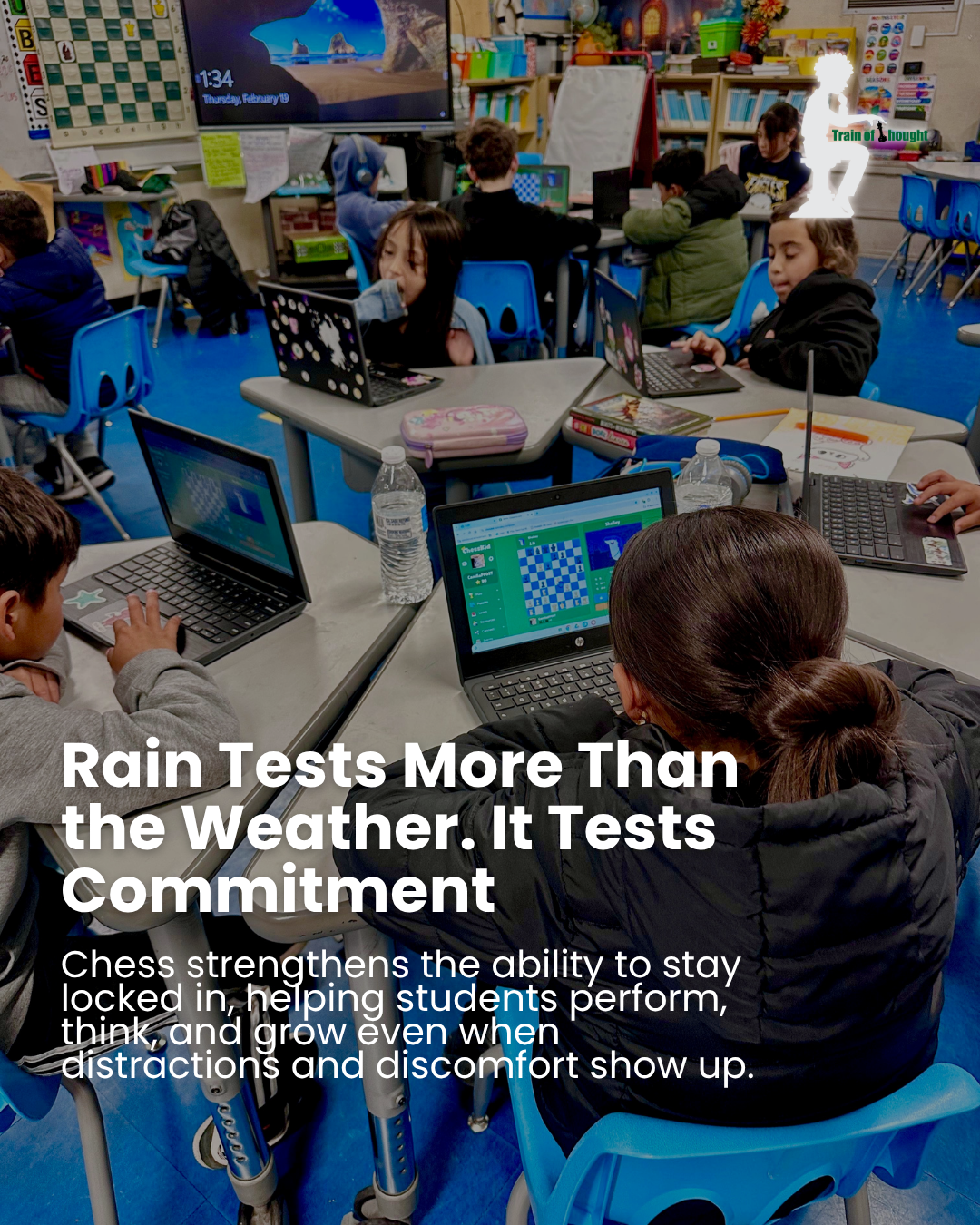
K-12 chess programs have a profound impact on student development. By integrating chess into the curriculum, schools provide a structured environment for students to practice critical thinking and leadership. According to research, students involved in chess programs often show improvement in academic performance and cognitive skills. Explore how chess enhances academic performance in students here.
These programs also foster a sense of community among students. They work together, share strategies, and learn from each other. This collaborative learning environment boosts their confidence and encourages active participation in school activities.
Community and School Partnerships
Chess education thrives on partnerships between schools and communities. Schools can collaborate with local chess clubs and organizations to provide resources and support for students. These partnerships create opportunities for students to participate in tournaments and events, enhancing their learning experience.
Community involvement is vital for the success of these programs. It brings volunteers, mentors, and resources to schools, enriching the overall educational experience. By working together, schools and communities can create a nurturing environment for students.
Equity in Education Initiatives
Chess education promotes equity in education. It is accessible to students of all backgrounds, regardless of socioeconomic status. Chess programs can be implemented in public schools and community centers, ensuring that all students have the opportunity to participate.
These initiatives focus on providing equal opportunities for all students to develop critical thinking and leadership skills. By breaking down barriers, chess education helps bridge the gap and create a more inclusive learning environment.
Engaging the Community

Chess isn’t just for schools. It’s a community activity that brings people together and fosters youth development.
Youth Development Opportunities
Chess offers numerous opportunities for youth development. It provides a platform for students to engage in healthy competition and develop important life skills. Through tournaments and clubs, students learn to set goals, work hard, and achieve success.
These activities also promote social interaction and teamwork. Students build friendships and learn to cooperate with others, fostering a sense of belonging and community.
Supporting Los Angeles Nonprofits
In Los Angeles, nonprofits play a crucial role in supporting chess education. They provide funding, resources, and expertise to schools and community centers. These organizations work tirelessly to ensure that every child has access to the benefits of chess education.
Supporting these nonprofits means supporting the future of our youth. By contributing to their efforts, we can help create a brighter future for students in Los Angeles and beyond.
Expanding Access Through Sponsorships
Sponsorships are essential for expanding access to chess education. By partnering with businesses and individuals, schools and nonprofits can provide more opportunities for students to participate in chess programs.
These partnerships enable schools to offer chess clubs, tournaments, and workshops at little to no cost to students. By expanding access, we can ensure that every child has the chance to benefit from the life-changing skills that chess offers.
Chess education is more than just a game. It’s a powerful tool for building student confidence and resilience. By supporting chess programs and partnerships, you can help create a brighter future for our youth.