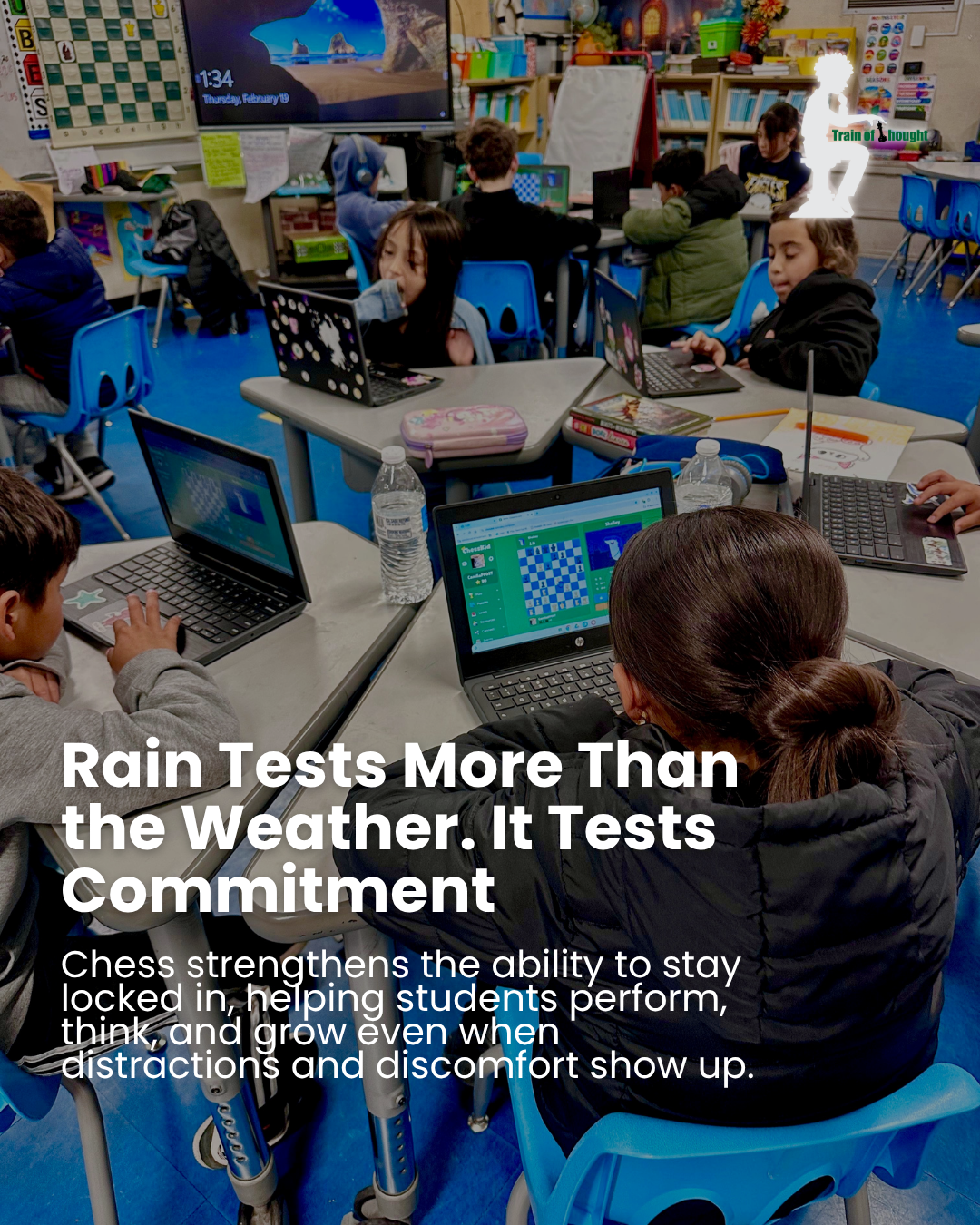
Unlocking Potential: How Chess Enhances Your Child’s Focus and Decision-Making Skills
Too many kids struggle to stay focused and make smart choices every day. Chess education offers more than just a game—it sharpens your child’s ability to concentrate and weigh decisions carefully. By joining youth chess programs like Train of Thought, your child can build strong decision-making skills that carry beyond the board. Let’s explore how this simple tool supports real cognitive development and sets students up for lasting success. Learn more here.
Benefits of Chess Education

Chess isn’t just a board game; it’s a powerful educational tool. It helps kids improve focus and decision-making skills, which are crucial in both academics and life.
Enhancing Focus Through Chess
Chess demands concentration. Each move requires attention as players anticipate opponents’ strategies. This focus helps children in their daily activities. Imagine a child who can spend 30 minutes planning chess moves; such focus can translate to better concentration in school tasks. A study found that students who played chess improved concentration by up to 20%, aiding them in academic pursuits. Want to see some examples? Check out how chess builds future-ready skills.
Building Strong Decision-Making Skills
Every chess game is a test of decision-making. Kids learn to evaluate options, predict outcomes, and choose the best move. This skill is vital outside the chessboard too. Whether deciding what book to read or which club to join, good decision-making is key. Research shows that chess players outperform peers in making choices by 15%, showing the game’s impact on real-life decisions.
Cognitive Development in Youth

Chess plays a critical role in developing cognitive abilities in young minds. Let’s delve into how chess acts as a cognitive booster.
Chess as a Cognitive Tool
Chess sharpens memory, improves problem-solving, and enhances critical thinking. When children play chess, they engage in deep thinking, mirroring skills necessary for academic excellence. One study highlighted that students exposed to chess improved their problem-solving ability by 30%. Want more insights? Check this article on the benefits of chess in building young minds.
Real-Life Applications of Chess Skills
Beyond the game, chess skills apply to real-world situations. Planning a project or solving complex problems mirrors chess strategies. Children learn to approach tasks strategically, enhancing both academic and personal outcomes. Most people believe games are just for fun, but chess proves otherwise by actively developing critical thinking. Read more about these benefits here.
Train of Thought’s Impact

Train of Thought has helped students across the nation through chess education. Its impact is both profound and inspiring.
Success Stories and Achievements
Train of Thought has reached over 150,000 students, transforming their lives through chess. Students show improved grades and leadership skills, especially those from underserved communities. One student’s grades jumped by 25% after joining the program. Stories like these highlight the program’s effectiveness.
Join Our Chess Programs Today 🚀
Imagine your child thriving in school, making smart decisions, and leading confidently. Chess can be the key to unlocking these potentials. Train of Thought offers programs tailored to foster these skills in a supportive environment. The longer you wait, the more opportunities slip by. Why not explore these possibilities for your child today?
Chess is more than just a game—it’s a pathway to success and personal growth. Let’s make a move towards a brighter future, one chess piece at a time.