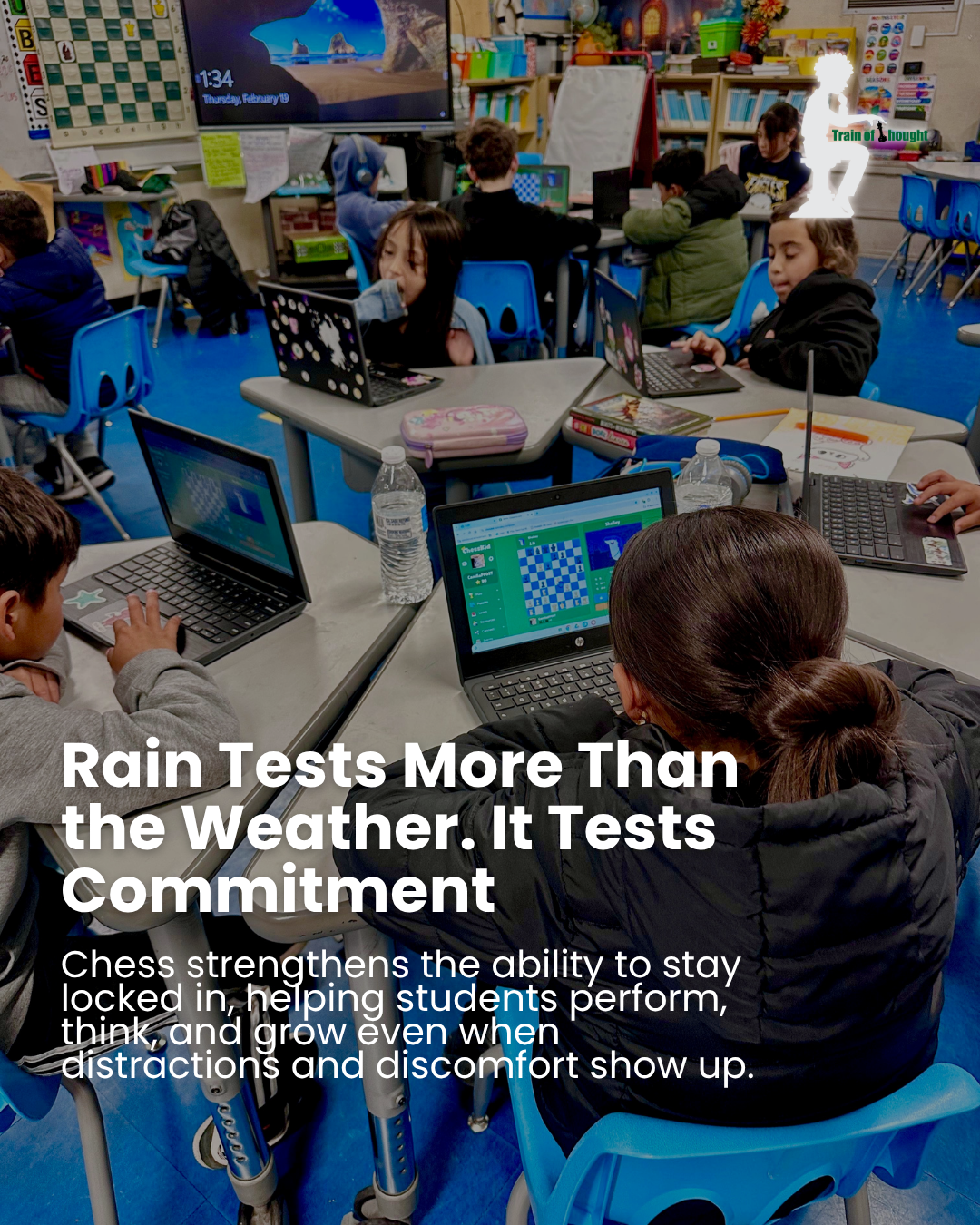
Unlocking Potential: How Chess Sparks Kids’ Cognitive and Emotional Growth
Most parents want their child to grow sharp and confident—but finding the right tools can be tough. Chess education offers more than just a game; it builds cognitive development and emotional growth that last a lifetime. By weaving strategic thinking into learning, chess helps kids develop skills that reach far beyond the board. Let’s explore how this timeless game empowers youth and why your child deserves a place at the chessboard. Learn more here.
Cognitive Benefits of Chess

Chess enriches the mind, nurturing problem-solving skills and sharpening focus. This ancient game is not just about winning; it’s about developing lifelong mental agility and resilience.
Enhancing Problem-Solving Skills
Chess encourages kids to think multiple steps ahead. Facing different scenarios, they learn to analyze situations critically. Each move is a decision that impacts the outcome, teaching kids how to evaluate options and foresee consequences. A study from Neuronest highlights how chess enhances critical thinking, helping kids tackle schoolwork with greater confidence.
Imagine a child pondering their next move. Will they capture the queen or protect their own pieces? These decisions hone their ability to weigh pros and cons, fostering a sharp analytical mind. In time, this skill spills over into everyday life, where they learn to navigate complex choices with ease.
Boosting Memory and Focus
Chess demands attention to detail and the ability to recall past moves. This builds memory and concentration, key skills for academic success. Kids must remember strategies, anticipate opponents’ tactics, and adjust their plan accordingly.
Think of it like a mental workout. The more they play, the stronger their memory becomes. Research in Chess Klub reveals that regular chess practice significantly boosts short-term memory. This not only aids in chess but also improves performance in other subjects.
Emotional Growth Through Chess

Beyond the cognitive perks, chess also shapes emotional resilience. It teaches patience and emotional control, vital for personal growth and social interactions.
Building Resilience and Patience
Chess is a game of endurance. Players learn to cope with setbacks, cultivating patience and perseverance. Losing a crucial piece can be frustrating, but it’s also a chance to learn and adapt.
Kids often find that the lessons from chess transfer to real life. They understand that setbacks are not failures but opportunities to grow. This mindset encourages a resilient approach to challenges, helping them bounce back stronger each time.
Fostering Emotional Control
Chess requires staying calm under pressure. Players manage emotions, focusing on strategy rather than frustration or excitement. This emotional regulation is crucial in both personal and academic settings.
As they master the art of staying composed, children gain control over their reactions. This skill benefits them in many areas, from school exams to social situations. Most people think emotions can’t be controlled, but chess proves otherwise.
Community and Education Impact

Chess doesn’t just build individuals; it strengthens communities. It empowers young minds and engages parents and educators in meaningful ways.
Empowering Young Minds
By participating in chess, kids discover their potential. They gain confidence in their abilities, feeling empowered to take on leadership roles. This sense of empowerment is a game-changer for many.
Consider the stories of students whose lives have been transformed through chess. They become leaders in their communities, inspired to achieve more than they ever thought possible. Their journeys are testaments to the power of chess education.
Engaging Parents and Educators
Chess fosters a community spirit, bringing parents and educators together. They become active participants in children’s development, supporting each step of the way.
Parents often join chess clubs and events, bonding with their children over shared interests. Educators witness firsthand how chess enhances learning, integrating it into curriculums to enrich education. This collaboration creates a supportive environment, nurturing the next generation of thinkers and leaders.
For more insights into the benefits of chess, visit the PMC article.
🌟♟️