Building Community Spirit: The Power of Collaborative Chess Tournaments for Young Learners
Too often, young learners miss out on chances to build real connections while sharpening their minds. Collaborative chess tournaments change that by bringing kids together in a friendly, supportive space where community spirit grows alongside healthy competition. In this post, you’ll learn how these events spark cognitive skills and foster youth development, creating a foundation for success both on and off the board. Join the conversation here.
Fostering Community Spirit

Chess tournaments offer more than a chance to win; they build community spirit. These events encourage friendships and learning beyond the chessboard.
Building Connections Through Chess
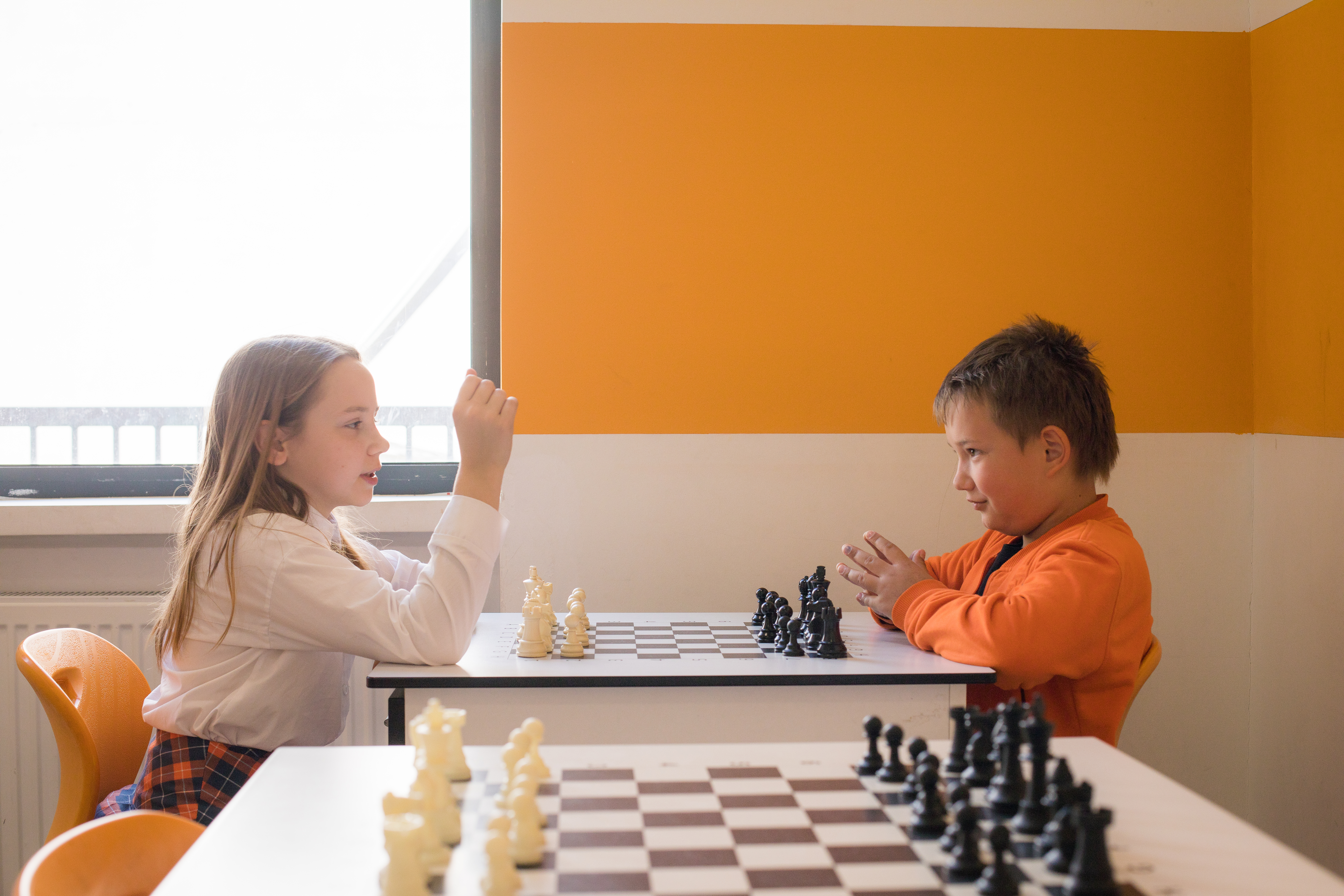
Imagine entering a room filled with young learners eager to play chess. Each game starts with a handshake, a simple act creating a bond. Playing chess together teaches students to respect each other. They learn to communicate, sharing ideas and strategies.
Chess is not just a game; it’s a bridge. It connects students from different backgrounds. You might meet someone who becomes your friend for life. As you play, you learn about each other, finding common ground through chess moves and shared experiences.
In such a setting, students realize chess is more than winning or losing. It’s about the friendships made along the way. The more students play, the more they see the value in teamwork and community. You can explore this idea further by visiting this Facebook group dedicated to chess enthusiasts.
Encouraging Inclusivity in Tournaments
Chess tournaments welcome everyone. They focus on inclusivity, ensuring each player feels valued. Anyone, regardless of skill level, can join and enjoy the game.
Inclusivity means creating an environment where every participant feels they belong. Students of all abilities can compete without feeling out of place. In these tournaments, the emphasis is on learning and having fun.
Organizers encourage students to support each other. Newcomers receive guidance from seasoned players, fostering a supportive atmosphere. This approach removes any fear of judgment, allowing students to play confidently. Visit this Instagram post to see how inclusive events bring people together.
Nurturing Healthy Competition

Once community spirit is established, the focus shifts to nurturing healthy competition. Chess offers a perfect mix of fun and challenge, promoting growth.
Balancing Fun and Challenge
A chess tournament is exciting. The thrill of competition keeps students engaged. It’s important to balance this excitement with a healthy attitude toward winning and losing.
Competitions should challenge students, but also be enjoyable. The goal is to encourage growth without undue pressure. Students learn to celebrate their victories gracefully and accept losses as learning opportunities.
For example, a student might lose a match but learn a new strategy. This mindset shift—viewing loss as a chance to improve—promotes resilience. It helps students handle challenges beyond the chessboard.
This balanced perspective enhances the experience, making tournaments memorable. You can see how students benefit from this approach by watching this Instagram reel.
Developing Strategic Thinking Skills
Chess is a game of strategy. During tournaments, students develop critical thinking skills. Each move requires careful consideration and planning.
Students learn to anticipate their opponent’s moves. They think several steps ahead, analyzing possible outcomes. This strategic mindset is invaluable. It translates to real-life skills, such as problem-solving and decision-making.
Chess teaches patience and foresight. Students understand the importance of planning. They learn that every decision has consequences. By participating in tournaments, students sharpen these skills, preparing them for future challenges.
Empowering Young Learners

Chess tournaments empower students by enhancing their cognitive skills and fostering leadership qualities.
Enhancing Critical Cognitive Skills
Chess boosts cognitive development. It challenges the brain, enhancing memory and concentration. Each game strengthens mental acuity.
Students who play chess regularly show improved cognitive performance. Their ability to focus and remember details increases. These skills are crucial for academic success.
Moreover, chess promotes critical thinking. Students analyze situations, identify patterns, and solve problems creatively. These mental exercises build cognitive resilience, equipping students to tackle complex tasks.
Cultivating Leadership and Teamwork
Chess also cultivates leadership skills. Students learn to lead by example, showing integrity and respect during matches. They develop confidence, understanding their potential to influence positive outcomes.
Teamwork is another key lesson. Students collaborate, sharing strategies and insights. They learn to value diverse perspectives, enhancing their communication skills.
Through chess, students become leaders and team players. They gain the confidence to take on leadership roles in school and beyond. This transformation is a testament to the power of chess in shaping young minds.
🌟♟️
Chess tournaments are not just about the game. They build community spirit, nurture healthy competition, and empower young learners. These events create lasting memories and skills that students carry throughout life. Join the movement and see how chess can transform your community.