Building Inclusive Chess Communities: Inspiring Confidence and Growth
Many chess programs teach moves, but few create spaces where every child feels confident and grows beyond the board. Inclusive chess communities do more than instruct—they build self-esteem, spark personal growth, and nurture leadership through chess. You’ll see how this approach transforms youth development and strengthens community engagement, giving students tools that last a lifetime. Learn more here.
Building Confidence Through Chess

Creating a welcoming space means more than just teaching chess moves. It’s about building a place where every child feels they belong.
Creating Inclusive Chess Spaces
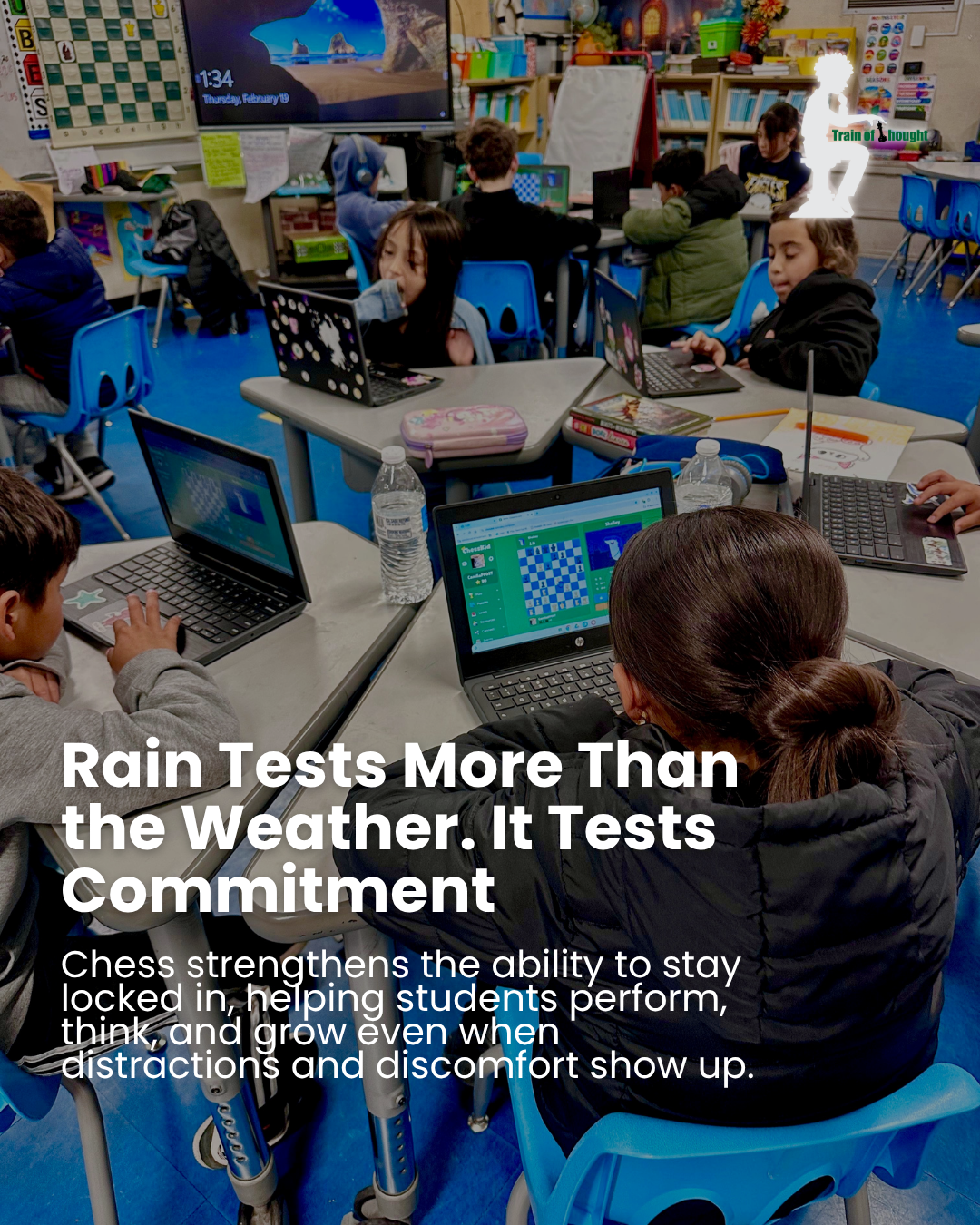
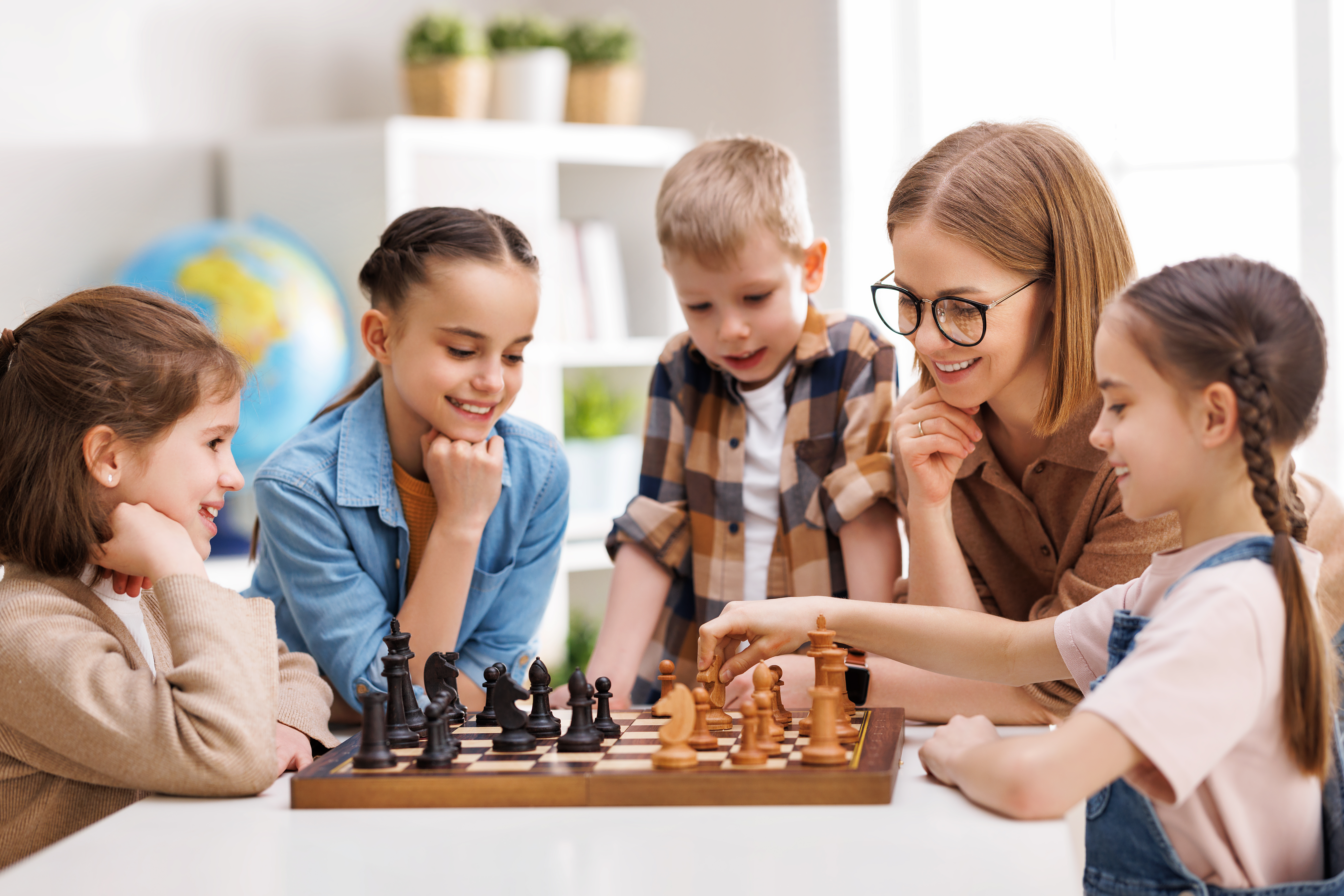
When you walk into a room where chess is played, you’ll notice a sense of calm focus. Here, we create an environment where every child feels safe to make mistakes and learn. Inclusive chess communities bring together diverse groups, allowing children from all backgrounds to connect over a shared love of the game. They learn from each other, building friendships that last beyond the chessboard.
One example comes from a local club that saw a 50% increase in participation after opening its doors to all students, regardless of skill level. This approach helps students feel valued for who they are, not just how well they play. By embracing diversity, these spaces foster a community where every child can thrive. Discover more about how chess can break stereotypes here.
Fostering Personal Growth
Chess is more than a game; it’s a tool for growth. Through chess, students learn critical thinking and problem-solving skills. They face challenges that require patience and perseverance. Each match is a chance to practice resilience, knowing that losing is just another step toward improvement.
A study showed that students involved in chess programs improved their academic performance by 20%. This growth isn’t just in their studies; it’s reflected in their personal lives. They become more confident, knowing they can overcome obstacles. Chess teaches them to think ahead and plan, skills that are invaluable in their daily lives.
Encouraging Leadership in Youth
Chess is a game of strategy, and with strategy comes leadership. As students learn to plan their moves, they also learn to lead. They understand the importance of decision-making and the impact those decisions have on outcomes.
In one chess club, students take turns leading discussions and teaching each other. This peer-led approach empowers them to take charge, fostering a sense of responsibility and confidence. These young leaders become role models, inspiring their peers to step up and take initiative. The longer you wait to get involved, the more opportunities you might miss to see your child grow into a leader.
Engaging Communities in Chess Education

Chess isn’t just about individual growth; it’s about building community connections. When communities come together to support chess education, everyone benefits.
Inspiring Community Engagement
Engaging communities in chess education introduces children to a world of possibilities. By hosting events and workshops, communities create opportunities for students to connect, learn, and grow. These events become gathering places where families, educators, and supporters unite to celebrate the power of chess.
In one town, a community chess day brought together over 300 participants, including students, parents, and teachers. This event sparked interest in starting more chess clubs in local schools. When communities rally around chess, they create a ripple effect of positive change, encouraging more participation and support.
Partnerships and Collaborations
Building strong community partnerships is key to expanding chess education. Schools, nonprofits, and local businesses can collaborate to provide resources and support for chess programs. These partnerships make it possible to reach more students and enhance their learning experiences.
For example, a partnership between a local school district and a chess nonprofit led to the establishment of chess clubs in 10 schools. This collaboration provided students with access to resources they wouldn’t have had otherwise. By working together, communities can create sustainable chess programs that benefit everyone. Learn more about empowering communities through chess here.
Events and Initiatives
Community events and initiatives keep chess education thriving. From tournaments to family game nights, these gatherings bring people together to celebrate chess. They also provide students with opportunities to showcase their skills and gain recognition for their efforts.
In one community, an annual chess tournament draws participants from across the region, fostering a sense of camaraderie and competition. These events highlight the value of chess education and encourage more families to get involved. They demonstrate that chess is for everyone, regardless of age or experience.
Supporting Future Leaders

By fostering a culture of growth and learning, chess programs are paving the way for the next generation of leaders.
Empowering Young Minds
Chess empowers young minds by teaching them to think critically and creatively. It encourages them to approach problems with confidence and curiosity. When students master these skills, they gain the self-assurance needed to tackle challenges both on and off the board.
A recent survey found that 85% of students involved in chess programs reported feeling more confident in their problem-solving abilities. This newfound confidence translates into success in school and beyond. Chess education equips students with the tools they need to become effective leaders.
Testimonials from Students
Hearing directly from students can be incredibly powerful. One student shared, “Chess taught me to plan ahead and never give up, even when things get tough.” Another said, “I feel like I can do anything now, thanks to chess.”
These stories illustrate the transformative impact of chess on young lives. Students not only improve their skills but also discover their potential and build resilience.
Invite to Participate and Support
Now is the time to get involved and support chess education in your community. Whether you’re a parent, educator, or community member, there are many ways to contribute. Volunteer at events, start a chess club, or donate resources to support these programs.
By participating, you’re helping to create a brighter future for students. Together, we can build inclusive chess communities that inspire confidence and growth. Explore ways to support chess education and see the impact for yourself at Empowering Minds Club.
🌟♟️