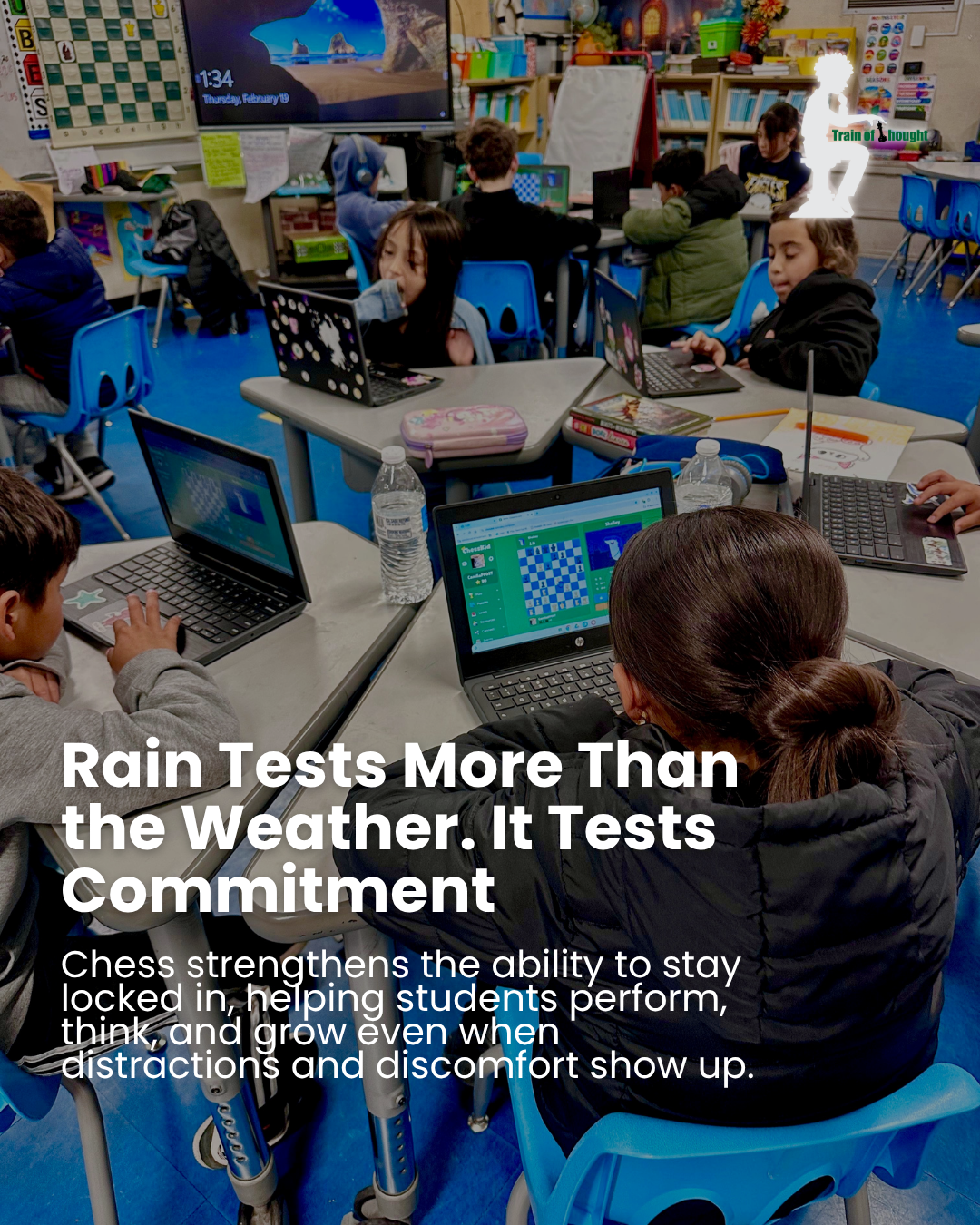
Unleashing Leadership Potential: What Chess Teaches Beyond the Board
Chess leadership isn’t just about winning games—it shapes how students think, decide, and lead in life. When kids engage with a strong chess curriculum, they build skills that go far beyond the board: critical thinking, confidence, and student empowerment all take root. Ready to see how this ancient game can spark leadership in your child or classroom? Let’s explore what Train of Thought’s programs offer to develop young leaders today. Learn more about strategic leadership lessons from chess.
Chess Leadership Lessons

Chess offers more than just a mental workout. As students learn to navigate the 64 squares, they acquire skills essential for leadership.
Strategic Thinking Skills
Chess teaches students how to plan ahead. Each move on the board requires consideration of potential outcomes. This kind of strategic planning is crucial in leadership positions. Students learn to think several steps ahead, evaluating the consequences of their actions. This skill translates directly into real-life scenarios, where planning and foresight are key to success.
In practice, chess helps students develop a mindset focused on strategy. They must anticipate opponents’ moves and counteract them effectively. This ability to predict and prepare is a cornerstone of effective leadership. It sets students up for success whether in academics, sports, or future careers.
Decision-Making Confidence
The confidence to make decisions is another vital skill learned from chess. Every move is a decision, and each decision has consequences. Through chess, students practice making choices and observing the outcomes. This builds confidence in their judgment and decision-making abilities.
Confidence is not just about making decisions but also about trusting those decisions. Chess players often find themselves in situations where they must trust their analysis and choose a path. This experience is invaluable as they encounter challenges outside the chessboard. Trusting oneself is a hallmark of great leaders.
Student Empowerment Through Chess

Chess doesn’t just teach skills—it empowers students to believe in their potential. As they master the game, they discover their own strengths and capabilities.
Cognitive Development Benefits
Chess is a workout for the brain. It enhances cognitive development in several ways. Studies show that students who play chess improve in areas such as problem-solving, critical thinking, and memory. These cognitive skills are crucial for academic success and personal growth.
Playing chess regularly encourages students to engage in complex mental activities. They learn to think logically and systematically. As they solve chess puzzles and play games, their cognitive abilities are sharpened. This mental exercise translates into better performance in school and everyday life.
Building Character and Resilience
Chess helps students build character. It teaches patience, perseverance, and the ability to cope with loss. In chess, every game is a learning opportunity. Students develop resilience as they learn from mistakes and strive to improve.
The game also fosters a sense of sportsmanship. Players learn to respect their opponents and handle both victories and defeats gracefully. These character traits are essential for personal development and leadership. They prepare students to face life’s challenges with strength and dignity.
Community Involvement in Youth Education

Chess can transform education, but it requires community support. By working together, we can bring the benefits of chess to more students.
Supporting Chess Curriculum Programs
Community involvement is crucial for the success of chess programs in schools. Parents, educators, and local organizations can support these initiatives by advocating for chess in the curriculum. By highlighting its benefits, we can ensure more students have access to this transformative tool.
Supporting chess programs can take many forms. Volunteering time, donating resources, or simply spreading the word all contribute to the success of these initiatives. Together, we can create an environment where chess is seen as an essential part of education.
Opportunities for Partnership and Growth
There are numerous opportunities for partnership and growth within the chess community. Schools can collaborate with chess organizations to bring expert instruction to students. Community groups can host chess events, creating a vibrant local chess scene.
By partnering with others, we can expand the reach of chess education. This growth benefits everyone involved, providing students with more opportunities to learn and excel. Let’s work together to make chess a staple in youth education, empowering the next generation of leaders.
🎯♟️
By embracing chess as an educational tool, we unlock a world of possibilities for students. From developing strategic thinking to building character, chess offers a unique way to prepare young minds for the future. Join us in supporting these efforts and witness the transformation in your community. Explore more about the psychology of chess in leadership.