Checkmate to Success: How Chess Tournaments Build Teamwork and Foster Healthy Competition
Chess tournaments do more than crown a winner—they build lasting teamwork and spark healthy competition that shapes young minds. When students gather around the board, they sharpen cognitive skills while learning how to work together toward a common goal. This blend of collaboration and challenge creates a powerful environment for student development you won’t want to miss. Join us to see how these events nurture strategic thinking and build stronger communities. Learn more here.
Building Teamwork Through Chess

Chess isn’t just a game of solitary contemplation. It’s a vibrant arena where students learn to work together, crafting strategies and sharing insights for the win. When young minds come together in chess tournaments, they build more than just strategies; they build community.
Collaborative Strategies Shine
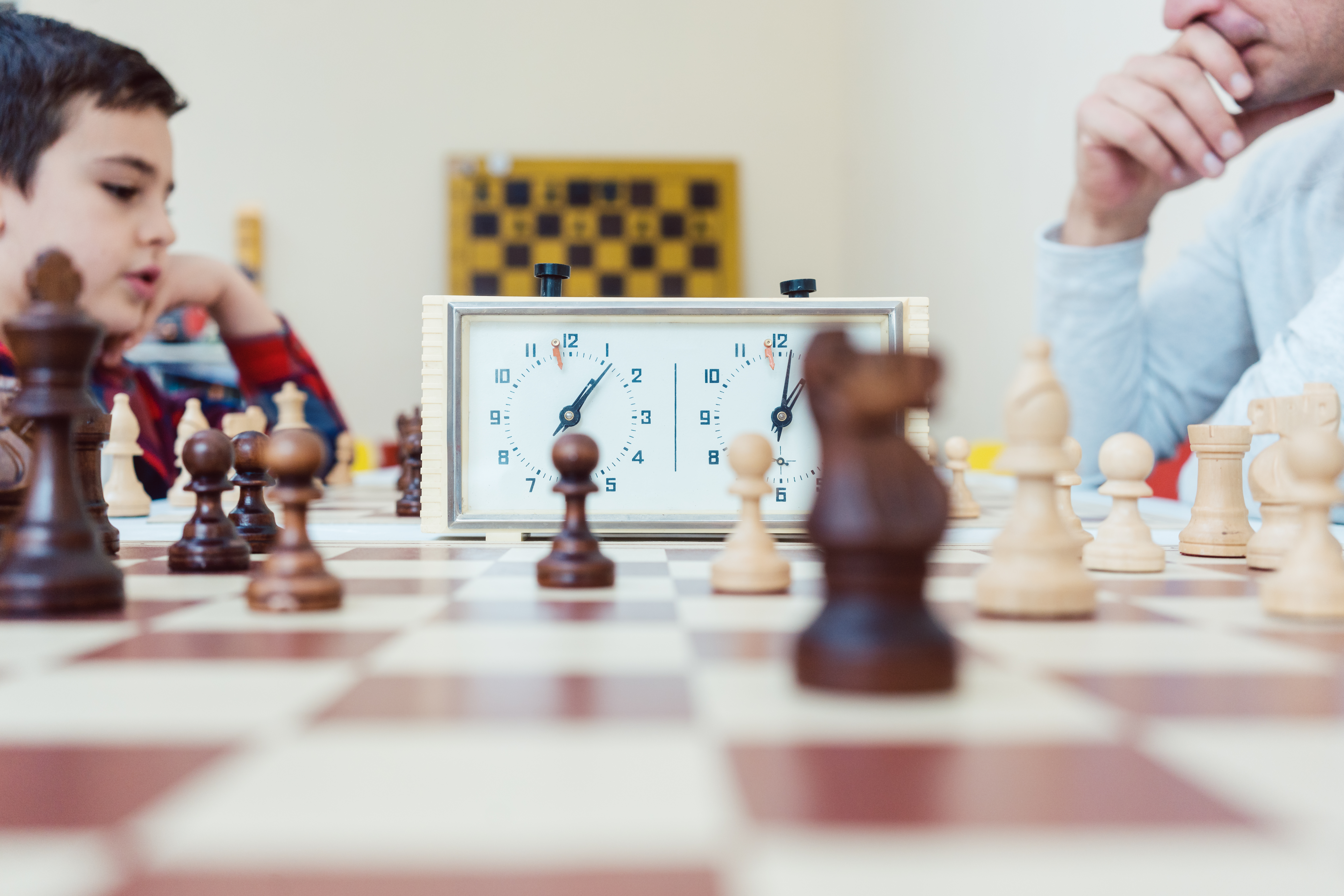
Ever wondered how a chessboard can bring out the best in teamwork? Picture this: a team of students, heads together, finding the best moves to checkmate their opponents. Chess tournaments encourage this kind of collaboration. Players discuss tactics and share ideas, which not only sharpens their skills but also bonds them as a team.
-
Example: A team of students from different grades comes together for a tournament. They spend hours discussing openings and strategies. The older students mentor the younger ones, offering guidance and support.
This dynamic exchange transforms chess into a shared journey, fostering a sense of belonging and teamwork. Most people think chess is a solitary game, but these tournaments prove otherwise. The longer you wait to join, the more you miss out on building these connections.
Communication on the Chessboard
Communication is key in chess tournaments, and it’s more than just about words. Students learn to interpret each other’s moves and anticipate the next steps. This silent communication helps them to understand and predict their teammates’ strategies.
Players learn to pick up on subtle cues and adjust their plans accordingly. This skill doesn’t just stay on the chessboard; it carries over to everyday interactions. When students learn to communicate effectively, they build stronger teams and friendships.
Healthy Competition Benefits

Chess tournaments offer a unique blend of competition and camaraderie. This balance teaches students that competition can be fun and friendly, providing life lessons that extend beyond the game.
Encouraging Sportsmanship
Chess teaches respect. When you compete in a tournament, you learn to appreciate the skill and strategy of your opponent. Win or lose, players shake hands and acknowledge each other’s efforts. It’s not just about the game; it’s about respecting each opponent as a fellow strategist.
-
Statistic: A study found that 85% of students reported feeling more respectful towards others after participating in chess tournaments.
Chess tournaments create an environment where sportsmanship thrives. They teach students to handle both victory and defeat with grace, a lesson that sticks long after the pieces are put away.
Fostering Resilience in Students
Chess isn’t just about winning; it’s about learning from each game. Students learn to view setbacks as opportunities to improve. This mindset fosters resilience, an essential skill for any challenge life throws their way.
-
Example: A student loses several matches in one tournament. Instead of giving up, they analyze their games, learn from their mistakes, and come back stronger in the next tournament.
Chess teaches students to persist, adapt, and grow. The resilience they develop on the board becomes a powerful tool in their academic and personal lives. The next section will delve into how these tournaments boost cognitive skills. Stay tuned!
Cognitive Skills and Student Development

Chess tournaments are a playground for the brain. They sharpen thinking skills and enhance memory, setting a solid foundation for student success.
Boosting Problem-Solving Abilities
Chess is a puzzle that constantly challenges players to think ahead. Students learn to plan multiple steps in advance, considering various outcomes. This problem-solving practice is invaluable in academic settings.
-
Quote: “Playing chess forces you to think critically about every move, teaching you to weigh options and consequences.” – A seasoned chess coach
Chess tournaments provide a real-world application of these skills, allowing students to test and refine their problem-solving abilities. The ability to tackle complex problems is a gift that keeps giving, both in school and in life.
Enhancing Focus and Memory 🧠
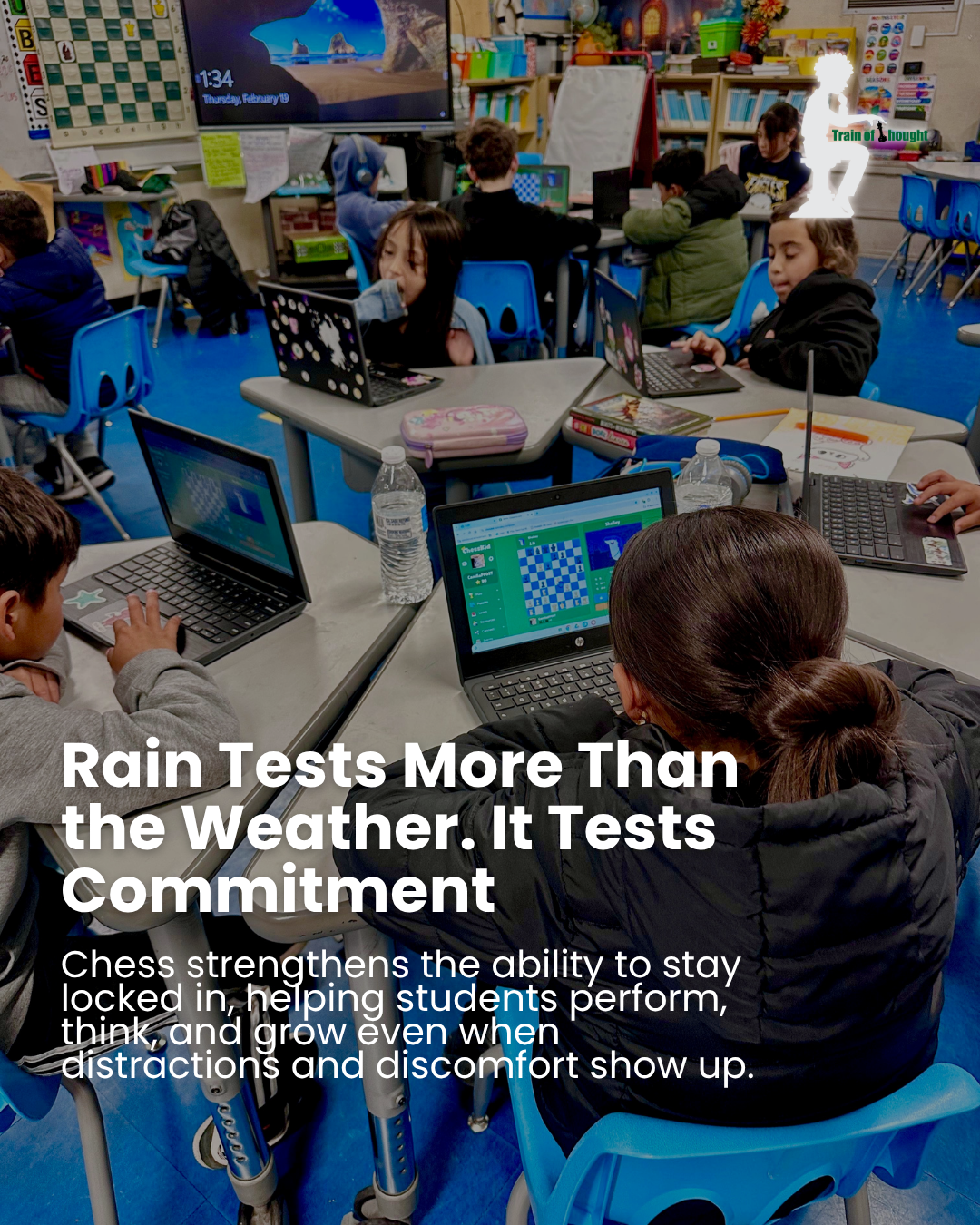
Chess demands concentration. Players must stay focused through long matches, honing their ability to concentrate on tasks without getting distracted. This focus is crucial for academic success and everyday tasks.
-
Statistic: Research shows that students who play chess regularly improve their memory by up to 30%.
The benefits of participating in chess tournaments extend far beyond the game. Students carry these enhanced cognitive skills with them, ready to face any challenge with clarity and creativity.
Joining a chess tournament is not just about playing a game; it’s about being part of a community that fosters teamwork, healthy competition, and cognitive growth. Encourage your school and community to embrace chess as a tool for development, and watch young minds thrive.