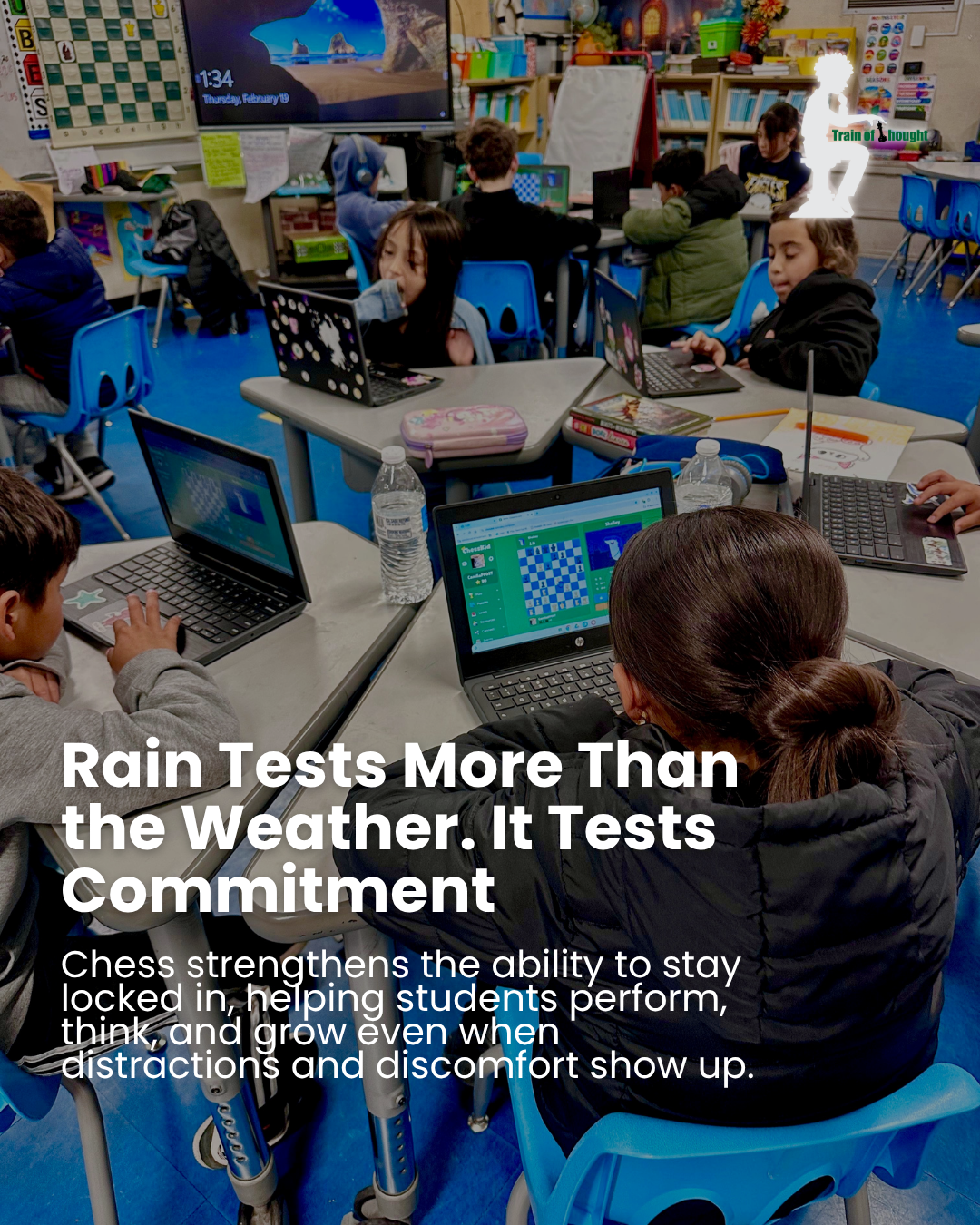
Empower Young Minds: How Chess Can Transform Education and Community
Most schools struggle to find programs that truly boost both thinking skills and confidence in kids. Chess education offers a unique path to youth empowerment by sharpening minds and building leadership—all while engaging students in a game they love. Join us to see how Train of Thought brings these benefits straight to your school or community, creating spaces where young minds grow and thrive. Join us in empowering young minds through chess—opportunities for schools, parents, and communities. [https://chessineducation.us/programs-2/chess-in-education-initiatives/]
Chess Education for Youth Empowerment

Chess is more than just a game—it’s a powerful tool for education and personal growth. Dive into how chess education can transform cognitive skills and leadership in students.
Cognitive Development Through Chess
Imagine sharpening your child’s mind through strategic play. Chess challenges students to think critically and solve complex problems. Studies show that chess players improve their cognitive skills at a rate two to three times faster than their peers. This isn’t just about moving pieces on a board; it’s about developing the ability to analyze situations and think several steps ahead.
Consider a typical chess game. Each move requires players to evaluate multiple possibilities. This mirrors real-life decision-making, teaching students to weigh outcomes and choose the best path forward. Parents and educators will see the benefits as kids perform better in school, thanks to enhanced focus and reasoning skills. It’s a game of mental gymnastics that prepares them for life’s challenges.
Chess also boosts memory and concentration. Kids learn to recognize patterns and remember past games, which translates into better performance in subjects like mathematics. The skills gained through chess are invaluable, setting students up for success both academically and personally.
Leadership Training and Skills
Chess is not just about mental acuity; it also cultivates leadership qualities in young minds. When students play chess, they learn responsibility. Each move counts, and every strategy teaches accountability, a key trait in effective leaders.
Leadership in chess involves planning and foresight. Students learn to anticipate their opponent’s moves and plan their strategies accordingly. This instills a sense of vision and strategic thinking, essential for leadership roles. Chess creates an environment where children learn to lead with confidence and integrity.
The game also emphasizes resilience. Not every game is won, but every match offers a lesson. This teaches kids to view setbacks as opportunities to grow, building perseverance and self-reliance. Leadership isn’t just about making decisions; it’s about learning from every experience and leading by example.
Community Engagement and Support

Chess education thrives when supported by a community of engaged schools and parents. Here’s how to create inclusive programs and build valuable partnerships.
Building Inclusive Chess Programs
Creating an inclusive chess program means opening doors for every child. Schools can invite students of all ages and backgrounds to join, ensuring a welcoming environment where everyone feels valued. This inclusiveness fosters a sense of belonging, making chess a bridge that connects diverse communities.
Schools can provide customized chess sets and materials, ensuring that students have the resources they need to learn and grow. This investment pays off in the form of enhanced school spirit and cooperation among students. Chess encourages teamwork and respect for others, vital components of a thriving community.
Inclusive programs also mean accessible learning opportunities. Schools can offer chess clubs and activities before, during, and after school, giving all students a chance to participate. This flexibility accommodates different schedules and interests, promoting widespread involvement and enthusiasm.
Partnering with Schools and Parents
Partnering with schools and parents is key to the success of chess education. Schools can work with parents to create a supportive learning environment at home, enriching the student’s experience. Parents become allies in the educational journey, reinforcing the lessons learned in the classroom.
By collaborating with other educational institutions, schools can host tournaments and community events. These gatherings not only showcase students’ skills but also strengthen community ties. As more schools join forces, the reach and impact of chess education grow exponentially.
Engaging parents also means providing them with the tools to support their children’s learning. Schools can host workshops and informational sessions to help parents understand the benefits of chess, ensuring they are active participants in their child’s educational journey.
Success Stories and Achievements

The transformative power of chess education is evident in the success stories and achievements of students and schools. Let’s explore some inspiring examples.
Inspiring Testimonials from Schools
Schools across the nation report remarkable improvements in student outcomes thanks to chess education. At one school, students participating in chess programs saw their math scores improve by 40%. Teachers noticed increased engagement in the classroom, with students eager to tackle challenging problems.
Another school celebrated the success of a chess club that brought together students from different grades. The sense of camaraderie and teamwork not only improved academic performance but also enhanced the school culture. Students reported feeling more connected and confident, ready to face new challenges.
These stories highlight the potential of chess to change lives and inspire others. Schools that embrace chess education witness a ripple effect, fostering a culture of learning and growth that benefits everyone.
Positive Impact on Student Lives
The most compelling evidence of chess education’s impact is found in the lives of the students themselves. One student shared how chess helped him develop patience and focus, skills that translated into better grades and improved social interactions. Another spoke about feeling empowered to lead and make strategic decisions, both on and off the board.
Chess has the power to unlock potential and reveal strengths students never knew they had. It’s a tool for self-discovery, helping young people realize their capabilities and embrace their unique talents. As more students experience these benefits, the demand for chess education continues to grow.
In conclusion, chess education offers a path to academic excellence and personal empowerment. By fostering cognitive development, leadership skills, and community engagement, chess transforms students into confident, capable individuals ready to take on the world. Join us in making chess a part of every child’s education journey.