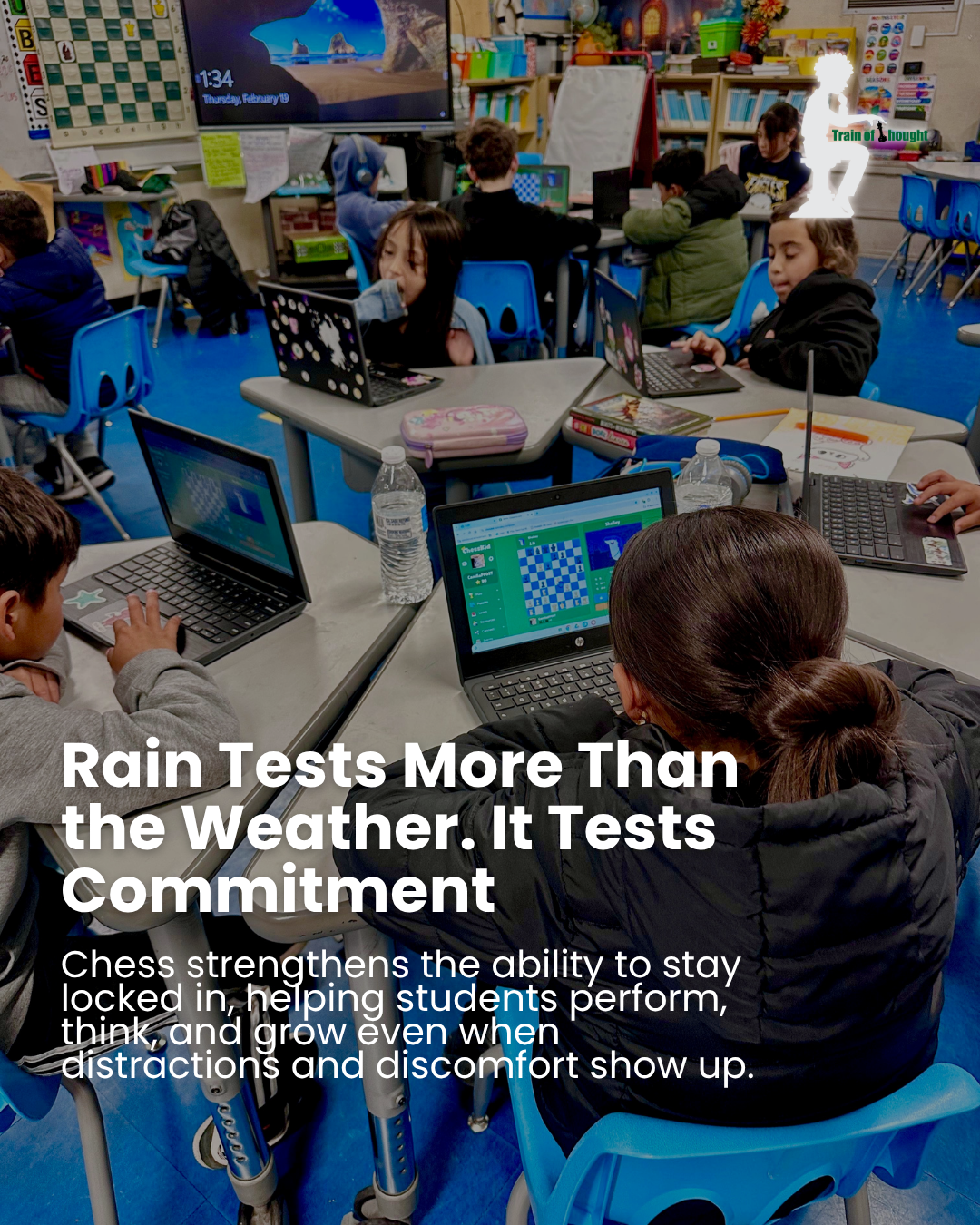
Unlocking Potential: How Mentorship Through Chess Shapes Future Leaders
Most kids learn leadership and critical thinking from textbooks. But what if a chessboard could teach these skills better? Chess mentorship does just that—guiding young players to sharpen their minds and grow as leaders. In this post, you’ll see how educational programs using chess build confidence, cognitive development, and youth leadership in ways few activities can.
Mentorship Through Chess

Building Youth Leadership
Chess transforms players into leaders. When young people learn chess, they’re not just moving pieces; they’re making decisions and anticipating outcomes. This game teaches them to think ahead and consider the consequences of their moves. For instance, a chess piece might represent a personal choice in life, and protecting it requires strategy and foresight. These lessons translate into leadership skills as players learn to manage resources and guide their “team” to victory.
By practicing chess, kids also learn resilience. Not every game ends in a win, but each one offers valuable insights. They discover how to handle setbacks and adapt to challenges. This resilience is crucial for future leaders who must navigate obstacles in their paths. Chess programs emphasize these qualities, nurturing a new generation ready to take charge.
Enhancing Critical Thinking
Chess sharpens the mind in unique ways. When kids play, they’re constantly solving puzzles and evaluating options. Every move requires analysis and planning. This constant mental workout improves critical thinking skills. Rather than relying on memorization, young players learn to assess situations and devise strategies.
The complexity of chess encourages creativity. Players must think outside the box to surprise their opponents. This creative thinking is vital in real-life situations where standard solutions might not work. Chess education programs focus on fostering this creativity, ensuring students aren’t just following rules but also innovating new strategies. As kids develop these skills, they’re more prepared to tackle complex problems, both on and off the board.
Cognitive Development in Chess

Strategies for Young Minds
Chess offers more than just a game; it’s a mental exercise that strengthens young minds. Each match involves sequences and patterns that players must recognize and understand. This process helps with pattern recognition, a critical component of cognitive development. For example, players learn to identify common setups and counter them effectively.
These strategies extend beyond chess. When students recognize patterns in math or science, they’re drawing on skills honed through chess. Educational programs aim to bridge these connections, showing students how their chess skills apply to academic subjects. By focusing on these strategies, students build a solid foundation for future learning.
Developing Problem-Solving Skills
Problem-solving is at the heart of chess. Every move requires a decision based on the current board state. Players must evaluate options, predict outcomes, and choose the best path forward. This decision-making process enhances problem-solving skills. For instance, if a player faces a potential checkmate, they need to devise a plan to escape or counter.
These skills are invaluable in real-world scenarios. When facing challenges, students who’ve played chess are better equipped to analyze the situation and develop solutions. Chess programs emphasize this skill, preparing students for the complexities of life. By nurturing these abilities, educators help students become adept problem solvers.
Community Engagement and Support

Educational Programs and Partnerships
Chess thrives on community support. Programs often partner with schools and organizations to reach more students. These partnerships provide resources and expertise, expanding the impact of chess education. For instance, schools might host chess clubs or tournaments, bringing students together to learn and compete.
These collaborations also foster a sense of belonging. Students become part of a community that values learning and growth. They share experiences, learn from each other, and celebrate successes together. This network of support encourages students to continue their chess journey, reinforcing the lessons they’ve learned.
Empowering the Next Generation 🎉
The impact of chess education extends beyond individual skills. By empowering young people, we prepare them to lead and innovate in their communities. Chess programs instill confidence and ambition, motivating students to pursue their goals. As they develop their potential, they inspire others to do the same.
This transformation is a community effort. Parents, educators, and partners play a crucial role in supporting students’ growth. By investing in chess education, we invest in a brighter future for all. The longer we wait, the more opportunities we miss to empower the next generation. Join us in this mission to shape tomorrow’s leaders through the power of chess.