Strategic Minds, Stronger Students: Integrating Chess into K-12 Curriculum
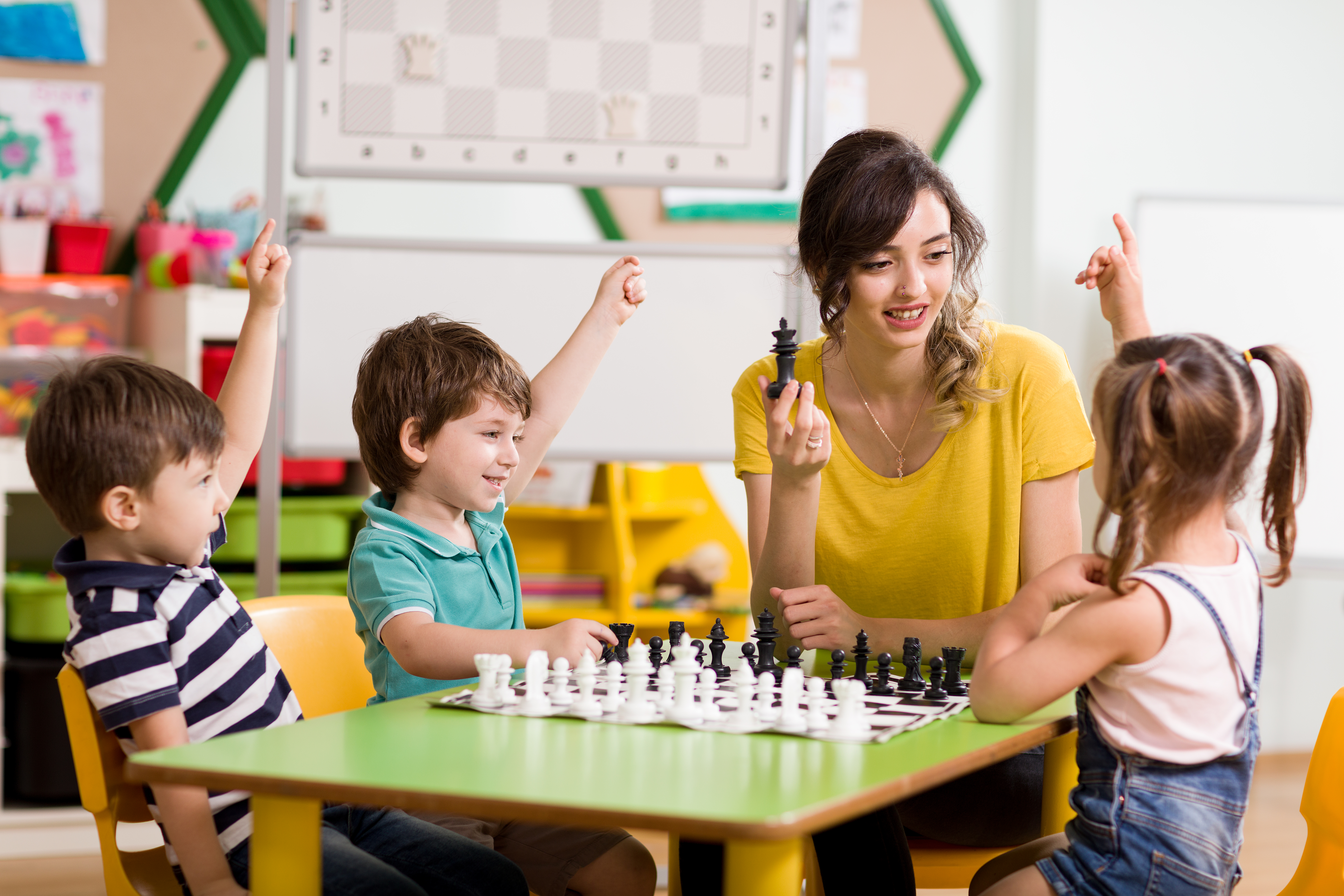
Many schools struggle to find programs that truly build critical thinking skills and leadership in students. Chess in education goes beyond a game; it shapes young minds to think ahead, handle challenges, and grow emotionally. Integrating a school chess curriculum offers a proven way to strengthen these skills while supporting social emotional learning within a standards-aligned curriculum. Let’s explore how this K-12 chess program can make a lasting impact in your community.
Benefits of Chess in Education

Chess offers numerous benefits for students, enhancing their ability to think critically, develop leadership skills, and improve social emotional learning. Let’s dive into how these skills are strengthened through engaging with chess.
Enhancing Critical Thinking Skills
Chess sharpens critical thinking by encouraging students to anticipate outcomes and plan accordingly. When kids play chess, they learn to evaluate multiple possibilities and forecast the potential consequences of their moves.
-
Problem Solving: Chess challenges students to identify and solve complex problems, a skill highly valued in academics.
-
Analytical Skills: Students enhance their analytical abilities by considering different strategies and selecting the best course of action.
Studies show that students who engage in chess improve their problem-solving skills faster than their peers. These skills directly translate to better performance in subjects like math and science.
Leadership Through Chess
Playing chess instills leadership qualities in students, teaching them to take responsibility for their decisions. Each move requires strategic thinking, akin to making decisions in real-life leadership roles.
-
Decision-Making: Chess empowers students to make informed decisions under pressure.
-
Confidence Building: As players develop their strategies, they gain confidence in their abilities to lead and take charge.
Leadership skills acquired through chess can inspire students to take on leadership roles both in and out of school, fostering a sense of responsibility and initiative.
Social Emotional Learning and SEL
Chess is more than a game; it cultivates social emotional learning (SEL) by teaching students to manage emotions, set goals, and show empathy.
-
Emotional Regulation: Students learn to cope with both victory and defeat, building resilience.
-
Empathy and Interaction: Chess encourages students to understand their opponents’ perspectives, fostering empathy and better social interactions.
Incorporating chess into SEL programs helps students develop a well-rounded emotional intelligence, preparing them for diverse social situations.
Implementing a School Chess Curriculum

Integrating chess into the school curriculum can be seamless and rewarding. It aligns with educational standards and offers various learning opportunities for students.
Aligning with Common Core Standards
Chess aligns well with Common Core standards, supporting educational goals across subjects. Teachers can integrate chess into lessons to enhance student engagement and understanding.
-
Mathematical Skills: Chess involves patterns and sequences, which are fundamental to math. This integration helps solidify mathematical concepts.
-
Literacy and Language: Students learn to articulate strategies and reflect on their thought processes, enhancing their communication skills.
Schools that incorporate chess into their curriculum can see improved student performance and a greater alignment with educational standards. Explore more on integrating chess with standards.
Project Based Learning Opportunities
Chess opens doors for project-based learning, providing students with hands-on experiences that promote active learning and critical thinking.
-
Collaborative Projects: Students can work in teams to solve chess puzzles, fostering collaboration and teamwork.
-
Research Initiatives: Projects on chess strategies and historical figures in chess can enhance research skills and curiosity.
These opportunities engage students in meaningful learning experiences that extend beyond traditional classroom activities.
After School Chess Programs
After-school chess programs offer students the chance to continue their learning in a fun and informal setting. These programs support academic growth and provide a safe space for social interaction.
-
Skill Development: Students refine their chess skills and strategies through practice and peer interaction.
-
Community Building: These programs foster a sense of community and belonging among participants.
Schools that implement after-school chess programs witness increased student engagement and improved academic outcomes. Learn more about successful programs.
Building Community Partnerships

Creating strong community partnerships enhances the impact of chess programs. Engaging with parents, educators, and local organizations can drive success and sustainability.
Engaging Parents and Educators
Involving parents and educators is crucial for the success of chess programs. Their support and enthusiasm can significantly enhance student participation and achievement.
-
Parent Workshops: Informative sessions can equip parents with the tools to support their child’s chess learning at home.
-
Educator Training: Professional development for teachers ensures they can confidently integrate chess into their instruction.
These efforts create a collaborative environment where students thrive, supported by a network of engaged adults.
Supporting Title I Schools
Title I schools benefit immensely from chess programs, which provide valuable resources and opportunities for disadvantaged students. Chess can serve as a powerful tool for equity in education.
-
Resource Access: Chess programs often include necessary materials, making them accessible to all students.
-
Academic Support: They offer additional academic support and enrichment, helping to close the achievement gap.
Providing chess education in Title I schools can significantly impact students’ academic and social success. Read about the impact on Title I schools.
Train of Thought’s Ongoing Impact
Train of Thought continues to make a difference in communities by promoting chess education and fostering partnerships. Our initiatives demonstrate the transformative power of chess in education.
-
Community Engagement: We collaborate with local organizations to bring chess to more schools and communities.
-
Proven Success: Our programs have shown measurable success in student development across various regions.
By integrating chess into schools, Train of Thought empowers students to unlock their potential and achieve greatness. Join us in making a lasting impact in education.